Relocating to the Dominican Republic

A Different Way to Live—and Make a Living—on the North Coast.

Considering a Move to the Dominican Republic?

Fourteen years ago, I made the decision to leave Canada and begin a new chapter of my life in the Dominican Republic. Looking back, it was one of the best decisions I’ve ever made.

But relocating to another country involves much more than finding a beautiful place to live. It’s about creating a lifestyle that offers greater freedom, financial security, and the opportunity to enjoy life on your own terms.

There are important practical questions to consider. Where should you settle? What will everyday life actually cost? How do residency, healthcare, banking, and taxes work? And perhaps most importantly, if you’re not ready to retire, how will you earn a sustainable living?

These are questions I understand firsthand.

Over the past 14 years, I’ve built a business, established a home, raised a family, and helped others navigate the challenges of relocating to the Dominican Republic. Along the way, I’ve experienced both the rewards and the frustrations of adapting to life in a different country.

Today, I live on the North Coast, where communities such as Sosúa, Cabarete, and Puerto Plata offer an appealing combination of natural beauty, outdoor living, established international communities, and opportunities for those looking to build a different future.

My purpose with this guide isn’t to convince everyone that moving to the Dominican Republic is the right decision. It isn’t for everyone.

Instead, I want to share what I’ve learned so you can understand the opportunities, recognize the challenges, and make an informed decision about whether a different way of life could be right for you.

Is the Dominican Republic Right for You?

Moving to the Dominican Republic can open the door to a very different way of life. For many Canadians and Americans, the attraction begins with the warm climate, beautiful beaches, lower living expenses, and the possibility of escaping some of the financial pressures of life back home.

But there’s an important distinction between enjoying a tropical vacation and building a successful life in another country.

The people who tend to thrive here aren’t necessarily those with the most money. They’re often the ones who are most willing to adapt.

What Makes Life Here So Appealing?

One of the greatest advantages I’ve experienced is the freedom to spend more time outdoors. With warm weather throughout the year, daily life naturally extends beyond the walls of your home.

I can go surfing in the morning, enjoy meals outdoors, and spend time with family and friends without planning my life around the seasons.

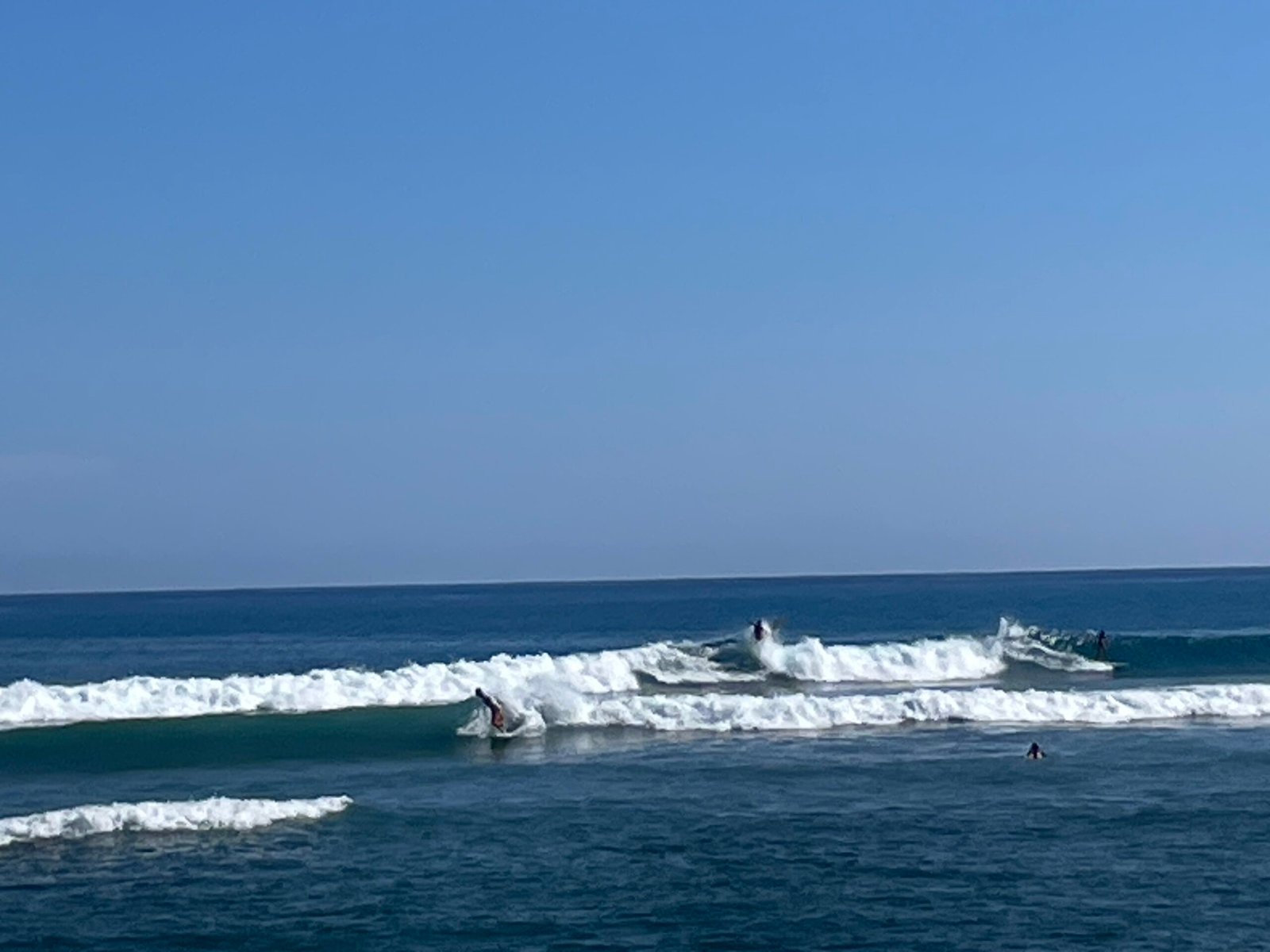
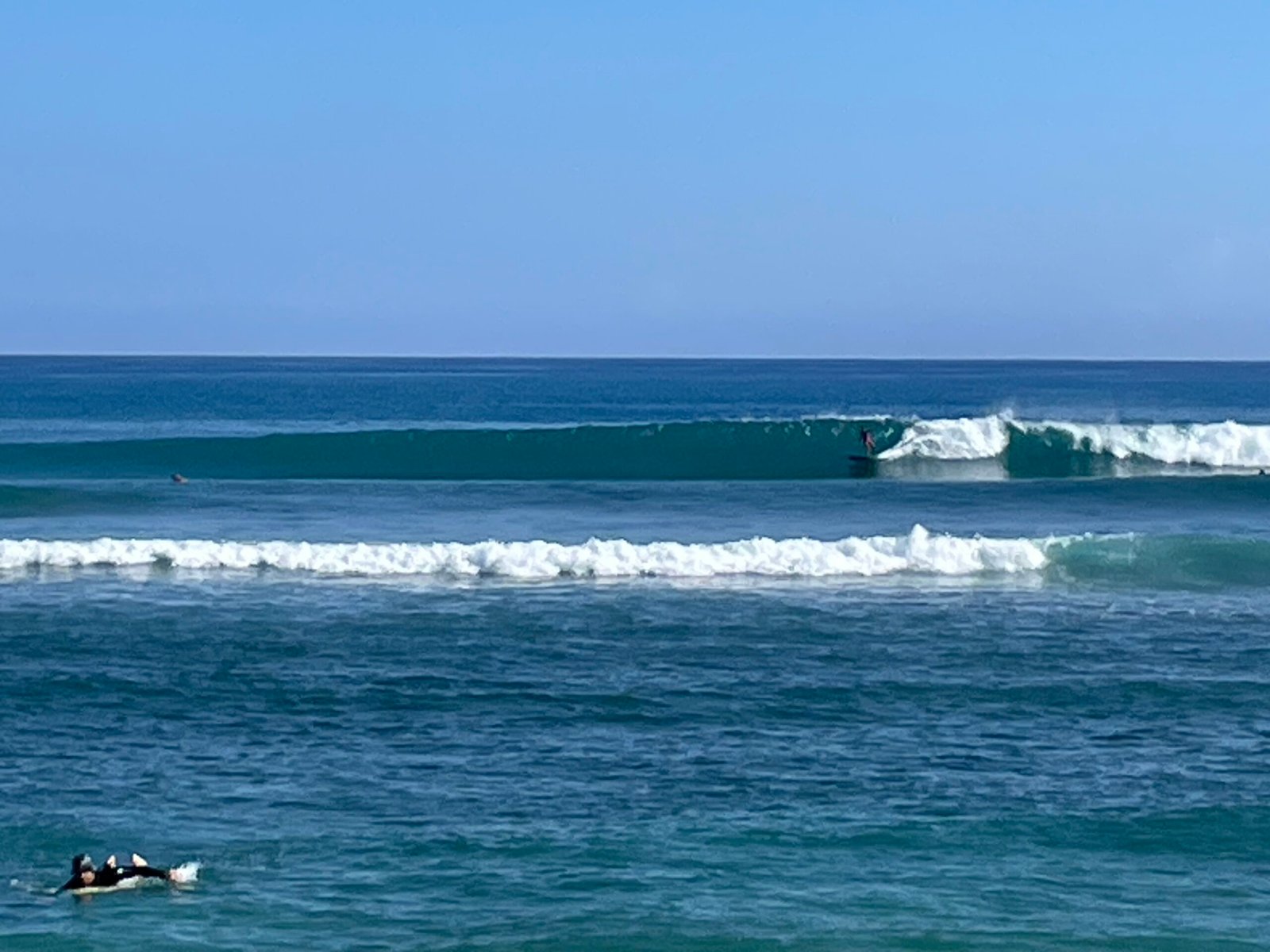
Surfer riding a wave at Encuentro Beach near Cabarete, Dominican Republic
A morning surf before the day begins.

There can also be meaningful financial advantages. Housing, certain services, and everyday expenses may cost considerably less than in Canada or the United States, depending on your lifestyle and where you choose to live.

For people with retirement income, remote employment, or a successful business, these differences can create opportunities to reduce financial pressure while maintaining a comfortable standard of living.

What Takes Some Getting Used To?

Life in the Dominican Republic operates differently from what many North Americans are accustomed to.

Processes can take longer. Appointments aren’t always as predictable. Customer service, infrastructure, and administrative procedures may not meet the expectations you’ve developed back home.

Language can also be a challenge. Although English is widely spoken in certain North Coast communities, learning at least conversational Spanish makes everyday life significantly easier.

I’ve learned that patience, flexibility, and a willingness to understand the local culture make an enormous difference.

Trying to recreate your Canadian or American lifestyle exactly as it was can lead to frustration. Learning to appreciate a different way of doing things is often the key to enjoying life here.

Don’t Overlook the Financial Side

One of the biggest mistakes someone can make is assuming that lower living costs automatically guarantee financial freedom.

Your actual expenses will depend on your housing choices, healthcare needs, transportation, family circumstances, and lifestyle expectations.

And if you’re not retired, establishing a reliable source of income is essential.

Whether that means working remotely, starting a business, purchasing an existing business, or exploring opportunities within the Dominican economy, I strongly recommend developing a realistic income strategy before committing to a permanent move.

We’ll explore these possibilities in greater detail later in this guide.

My Advice: Experience Everyday Life Before Committing

If you’re seriously considering relocating, spend some time here living as a resident rather than a tourist.

Rent a home, shop at local supermarkets, explore different communities, experience the roads and services, and see how comfortable you feel with the pace of everyday life.

A few weeks or months of firsthand experience can teach you far more than researching properties and watching videos from abroad.

The Dominican Republic isn’t the perfect choice for everyone. But for those who value freedom, outdoor living, flexibility, and the opportunity to create a different lifestyle, it can be an exceptionally rewarding place to call home.

Why Choose the North Coast?

When people think about moving to the Dominican Republic, they often picture beautiful beaches, palm trees, and warm Caribbean weather. Those are certainly part of the attraction, but choosing where to live involves much more than finding a beautiful location.

After 14 years of living on the North Coast, I believe this region offers an appealing balance of natural beauty, established international communities, everyday conveniences, and opportunities to create a rewarding lifestyle.

The communities of Sosúa, Cabarete, and Puerto Plata each have their own character. Understanding those differences is an important part of deciding where you might feel most at home.

Sosúa: Convenience and an Established International Community

Sosúa has long been a popular destination for Canadians, Americans, Europeans, and others who have chosen to make the Dominican Republic their home.

One of its greatest advantages is convenience. Supermarkets, restaurants, medical services, pharmacies, banks, and other everyday necessities are readily accessible.

Sosúa also offers a wide range of residential options, from established villa communities to condominiums and private homes.

For someone relocating from North America, having access to familiar conveniences and an established international community can make the transition considerably easier.

Cabarete: An Active, Outdoor Lifestyle

Cabarete has a different atmosphere. It's a relaxed coastal community known internationally for surfing, kiteboarding, windsurfing, and its active outdoor lifestyle.

This is an area I know particularly well. One of the greatest pleasures of living here is being able to go surfing in the morning and still have the rest of the day available for work, family, and other activities.

But you don't have to be a surfer to appreciate Cabarete.

The beachfront restaurants, cafés, fitness activities, and welcoming international community create an environment where spending time outdoors becomes a natural part of everyday life.

For people who value an active lifestyle, informal social connections, and a slower pace of living, Cabarete can be especially appealing.

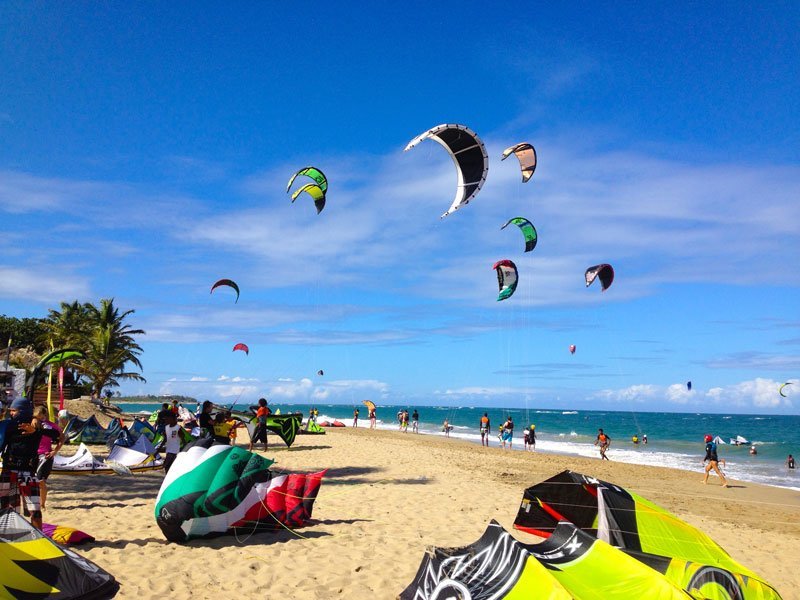
Colourful kitesurfing kites above Kite Beach in Cabarete, Dominican Republic, with people enjoying the beach
Kite Beach, Cabarete — where an active outdoor lifestyle is part of everyday life.

Puerto Plata: A Larger City with More Services

Puerto Plata offers a different experience again.

As a larger city, it provides access to government offices, hospitals, shopping, educational institutions, and a broader range of commercial services.

It also has a rich history, traditional Dominican neighbourhoods, and a more distinctly local urban atmosphere.

For people who prefer the conveniences of a city while remaining close to beaches, mountains, and outdoor recreation, Puerto Plata deserves serious consideration.

The Advantage of Living Close to Everything

One of the things I appreciate most about the North Coast is that these communities are relatively close together.

You can enjoy the beach and outdoor activities in Cabarete, visit Sosúa for shopping or appointments, and travel to Puerto Plata for additional services without having to make a major journey.

Gregorio Luperón International Airport, commonly known as Puerto Plata Airport (POP), also provides an important connection for international travel.

This combination of smaller coastal communities, convenient services, and airport access makes the region particularly attractive for people relocating from abroad.

Finding the Community That Fits Your Lifestyle

There isn't one community on the North Coast that's right for everyone.

Some people prefer the convenience of a condominium close to restaurants and shops. Others want the privacy of a villa in a residential community. Still others are drawn to a quieter setting outside the main towns.

My advice is to choose your lifestyle before choosing your property.

Spend time in different communities. Visit at different times of day. Experience the traffic, shopping, restaurants, and everyday routines.

A location that seems perfect during a two-week vacation may feel quite different when you're living there year-round.

Ultimately, the goal isn't simply to find a beautiful place to live. It's to find a community where you can build a comfortable, sustainable, and fulfilling life.

Making a Living in the Dominican Republic

Living Differently Starts with Financial Independence

For many Canadians and Americans, the idea of relocating to the Dominican Republic begins with a desire for a different lifestyle.

Perhaps you're tired of long winters, rising living expenses, high taxes, or the feeling that too much of your life revolves around work.

The Dominican Republic offers the possibility of changing that balance. But unless you're already retired or financially independent, there's an important question to answer before making the move:

How will you earn a sustainable living once you're here?

In my experience, this is one of the biggest uncertainties holding people back from relocating.

After living in the Dominican Republic for 14 years and operating my own business here for much of that time, I've learned that there are opportunities worth exploring. But success requires realistic expectations, careful planning, and an understanding of how business operates in a different country.

The good news is that relocating doesn't necessarily mean giving up your career, your earning potential, or your entrepreneurial ambitions.

In some circumstances, it may open the door to opportunities you hadn't previously considered.

Remote Work: Earn Internationally, Live Locally

One of the most straightforward ways to make a living in the Dominican Republic is to maintain an income from outside the country.

If your work can be performed remotely, you may be able to continue serving Canadian, American, or international clients while enjoying the lifestyle and potentially lower living expenses available here.

This can be particularly attractive for consultants, software developers, designers, marketers, accountants, writers, and other professionals whose work doesn't require a permanent physical location.

For someone already operating a successful remote business, relocating may involve relatively little disruption to their existing income.

However, working remotely from another country requires more than a reliable internet connection. Employment arrangements, residency, work authorization, tax residency, and reporting obligations need to be considered.

My advice is to establish or confirm the reliability of your remote income before relocating, rather than assuming you'll find suitable work after arriving.

Starting Your Own Business

For people with an entrepreneurial background, starting a business in the Dominican Republic can offer another pathway to financial independence.

Opportunities exist in tourism-related services, property management, professional services, technology, digital businesses, hospitality, and other industries.

But I would caution against assuming that a business successful in Canada or the United States will automatically succeed here.

Consumer expectations, purchasing power, competition, language, staffing, regulations, and business practices can be quite different.

I learned firsthand that building a business in the Dominican Republic requires patience, relationships, and an ability to adapt.

Before investing, it's important to understand your potential customers, operating costs, legal requirements, and the realistic demand for your products or services.

A sound business opportunity should make financial sense independently of the lifestyle benefits of living here.

Zona Franca: A Major Tax Advantage for Entrepreneurs and Investors

One of the Dominican Republic's most compelling opportunities for entrepreneurs and foreign investors is its Zona Franca (Free Trade Zone) regime.

Under Law 8-90, the Dominican government established a system of substantial tax incentives designed to attract investment, encourage exports, generate employment, and stimulate economic development.

For qualifying businesses, the incentives can include a 100% exemption from corporate income tax, along with significant exemptions from ITBIS, import duties, customs taxes, and other business-related taxes.

These aren't minor concessions. They can represent substantial financial savings that directly affect the profitability and competitiveness of a business.

For an entrepreneur considering where to establish a new company, or an existing business owner evaluating international expansion, these incentives can fundamentally change the financial equation.

Rather than simply relocating to reduce personal living expenses, an entrepreneur may have an opportunity to establish or expand operations within a government-supported investment framework.

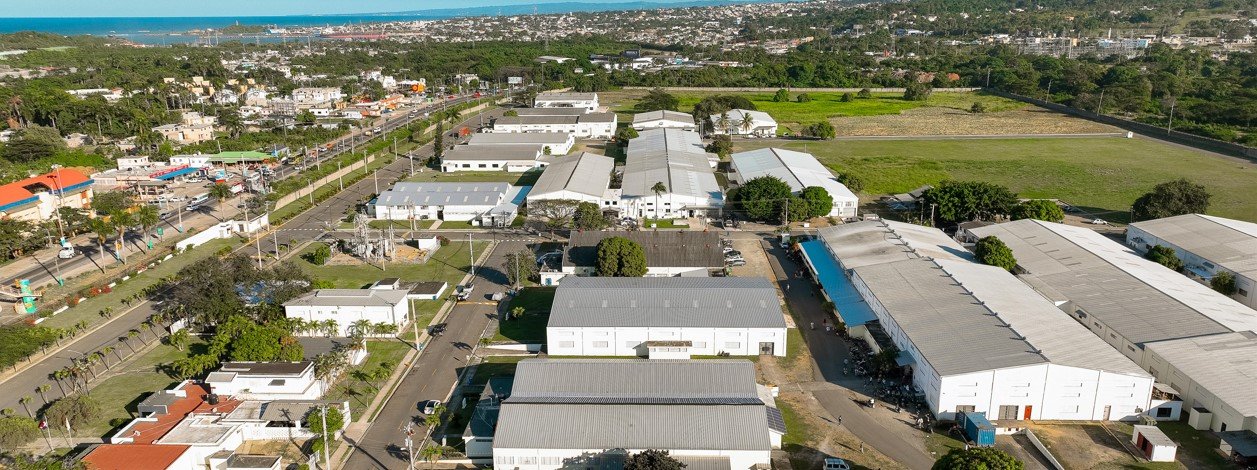
Aerial view of the Zona Franca industrial park in Puerto Plata, Dominican Republic, showing industrial buildings and the surrounding city
Zona Franca Industrial Park, Puerto Plata — an established example of the Dominican Republic's free trade zone investment framework.

What Types of Businesses Might Benefit?

Although free trade zones are often associated with manufacturing, the regime also encompasses approved service-oriented activities.

Depending on eligibility, opportunities may exist for businesses involved in manufacturing, technology, business-process outsourcing, international customer support, and other export-oriented services.

This is particularly relevant to entrepreneurs whose customers are primarily outside the Dominican Republic.

A company serving international markets may be worth evaluating for potential qualification under the Zona Franca regime.

The important distinction is that eligibility depends on the nature of the business, its activities, the applicable regulations, and the approvals obtained from the relevant Dominican authorities.

Understanding the Financial Opportunity

Consider a profitable business that currently operates in a jurisdiction where a significant portion of its earnings is paid in corporate income tax.

If that business could legitimately establish qualifying operations under the Dominican Republic's Zona Franca regime, the resulting tax savings could be substantial.

Those savings might be reinvested into hiring, technology, expansion, or other business priorities.

Of course, the full financial analysis must also account for operating expenses, compliance costs, the owner's personal tax situation, and any continuing obligations in other countries.

The objective isn't simply to relocate a business for tax reasons. It's to determine whether the Dominican Republic offers a legitimate, sustainable, and financially advantageous operating environment.

Is Zona Franca Right for Your Business?

Not every company qualifies, and approval is not automatic.

The business must meet the applicable requirements, obtain authorization, and maintain compliance with the conditions of the regime. Tax treatment of domestic-market sales and other activities may differ.

Nevertheless, for entrepreneurs and investors considering a move to the Dominican Republic, the potential tax savings are significant enough to justify a serious feasibility assessment.

This is an opportunity I believe deserves far more attention from people exploring the possibility of building a business and a new life here.

Buying an Existing Business

Starting from scratch isn't the only option.

Purchasing an existing business may provide an established customer base, employees, supplier relationships, and operating history.

On the North Coast, opportunities can arise in hospitality, restaurants, tourism services, property management, and other sectors.

However, buying an existing business requires careful due diligence.

Financial statements, tax obligations, employment arrangements, leases, licenses, liabilities, and the reasons for selling should all be independently reviewed.

It's also important to understand how dependent the business is on its current owner.

An established operation may offer advantages over a startup, but only when the purchase price and underlying business fundamentals are sound.

Understanding the Legal, Tax, and Financial Realities

Moving to another country introduces responsibilities that shouldn't be overlooked.

Before establishing a business or beginning work, you should understand the applicable residency and immigration requirements, company registration procedures, tax obligations, banking arrangements, and employment regulations.

Canadian and American citizens may also have continuing tax or reporting responsibilities in their home countries, depending on their circumstances.

These matters are best addressed before committing significant capital.

Working with experienced Dominican lawyers, accountants, and other qualified professionals can help identify potential problems and develop an appropriate structure.

I believe good professional advice is an investment, not simply another expense.

Develop Your Income Strategy Before You Relocate

One of the most important recommendations I can offer is to develop a realistic income strategy before making a permanent move.

That doesn't mean every detail must be settled in advance.

It does mean understanding your options, evaluating their feasibility, estimating your financial requirements, and having sufficient resources to manage the transition.

A two-week vacation can make almost any destination feel appealing. Living somewhere permanently while managing a business, supporting a family, and meeting financial obligations is a different experience.

The goal should be to build a sustainable life, not simply to escape an expensive one.

My advice: Don't begin by asking what kind of business you can start in the Dominican Republic. Begin by identifying the skills, experience, resources, and opportunities you already have, and then determine how they might translate into a viable income strategy here.

You Don't Have to Figure Everything Out Alone

One of the challenges of relocating to a new country is knowing where to begin and whom to trust.

The language, legal system, business environment, and professional networks may all be unfamiliar.

Having gone through the relocation process myself and spent years building a business and helping clients establish themselves here, I understand many of those challenges.

My goal is to help people explore their options realistically, evaluate potential opportunities, and connect with qualified professionals who can assist with the practical aspects of establishing a business or relocating.

That may involve exploring remote-income opportunities, assessing a new business concept, investigating an existing business acquisition, or examining whether a proposed operation could qualify for Zona Franca incentives.

I don't believe in promising easy success or suggesting that every opportunity will be suitable.

I believe in helping people make informed decisions based on sound information, realistic financial expectations, and the right professional guidance.

Because ultimately, the goal isn't simply to make a living. It's to have a life worth living.

Understanding the Cost of Living in the Dominican Republic

A Lower Cost of Living Doesn't Happen Automatically

One of the biggest attractions of relocating to the Dominican Republic is the possibility of reducing your living expenses while enjoying a more relaxed and rewarding lifestyle.

For Canadians and Americans dealing with rising housing costs, high property taxes, expensive utilities, and the increasing cost of everyday necessities, that possibility can be very appealing.

But there's something important I've learned after living here for 14 years.

Moving to a country with a lower cost of living doesn't automatically mean you'll spend less money.

Much depends on the lifestyle you choose to create.

If you arrive expecting to maintain every aspect of your North American lifestyle, including a large home, imported groceries, luxury vehicles, and frequent restaurant meals, your expenses can add up surprisingly quickly.

On the other hand, if you're willing to adapt to the opportunities that living in a tropical climate provides, you may discover that you can live very comfortably with considerably less financial pressure.

The real opportunity isn't simply to spend less money. It's to reconsider what you actually need to enjoy a fulfilling life.

Housing: Your Biggest Financial Decision

For most people, housing will be the single largest financial decision they make when relocating.

The Dominican Republic offers a wide variety of housing options, from modest apartments and condominiums to private villas in established residential communities.

Property prices can be considerably lower than those in many Canadian and American cities, particularly when comparing homes with similar amenities.

But lower purchase prices can sometimes encourage people to buy more house than they really need.

I've seen how easy it is for someone selling an expensive home in North America to arrive here and become attracted to a much larger property than they originally intended to purchase.

A spacious villa with a swimming pool, multiple bedrooms, and generous outdoor areas may seem like an incredible bargain compared with what the same money could buy back home.

However, the purchase price is only part of the financial equation.

Larger homes generally mean higher electricity consumption, more maintenance, additional furnishings, greater cleaning requirements, and potentially higher insurance and security expenses.

A property that initially seems affordable can become an ongoing financial commitment that limits the freedom you hoped to gain by relocating.

My Experience with a Large Villa

When we first moved to the Dominican Republic, we purchased a six-bedroom villa that was intended primarily as a rental investment.

At the time, we didn't expect to make the Dominican Republic our permanent home.

But life took a different direction, and we ended up living in the property ourselves.

Over the years, I've come to appreciate something that I didn't fully understand when we first arrived.

In a climate where you can comfortably spend much of your day outdoors, you simply don't need as much indoor living space as you might in Canada.

Our next home will be considerably more modest in size, but I don't see that as sacrificing comfort.

Quite the opposite.

I'd rather have a smaller, efficiently designed home with two generous covered outdoor areas: one for cooking and dining, and another beside the pool for relaxing and spending time with family and friends.

That arrangement reflects how we actually live.

And it can significantly reduce the expense and responsibility of maintaining a large house.

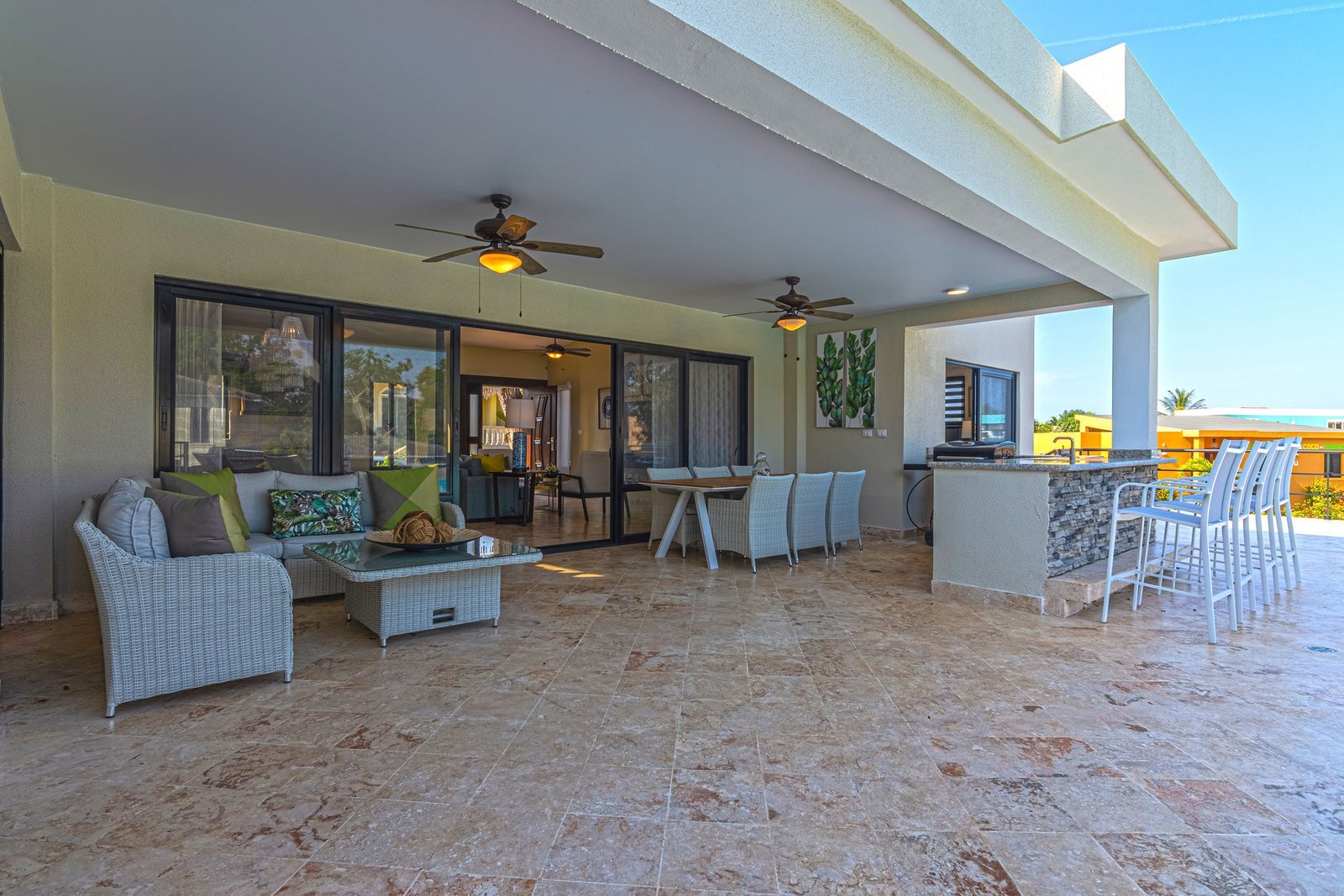
Spacious covered outdoor terrace at a villa in the Dominican Republic, featuring a lounge, dining area, ceiling fans, and outdoor bar
A spacious covered terrace demonstrates how outdoor living can reduce the need for excessive indoor space in the Dominican Republic.

Renting Before You Buy

For people unfamiliar with the Dominican Republic, I often recommend renting before making a permanent property purchase.

Spending several months in an area gives you an opportunity to understand the neighbourhood, transportation, shopping, noise levels, security, and everyday routines.

It also allows you to experience the property itself.

You may discover that a condominium provides all the convenience you need, or that you'd prefer a private villa with more outdoor space.

Renting first can help you avoid an expensive decision based primarily on the excitement of a vacation.

Everyday Living Expenses

The cost of everyday life in the Dominican Republic depends heavily on your habits and preferences.

Some expenses can be substantially lower than in North America, while others may be surprisingly similar or even higher.

Groceries and Dining

Locally produced fruits, vegetables, and other foods can offer good value, particularly when purchased from local markets and suppliers.

Imported products, specialty foods, and familiar North American brands often cost considerably more.

This creates an opportunity to adjust your shopping habits without necessarily compromising the quality of your diet.

Dining out also offers a wide range of choices.

You can enjoy an inexpensive meal at a local Dominican restaurant or spend considerably more at an upscale beachfront establishment catering to tourists and expatriates.

Neither approach is necessarily right or wrong.

The important thing is recognizing how frequently those choices affect your monthly expenses.

Electricity and Utilities

Electricity is one expense that deserves particular attention.

Air conditioning, swimming pool pumps, water heaters, and other appliances can contribute significantly to monthly electricity bills.

The size and design of your home also matter.

A well-ventilated property with shaded terraces, efficient appliances, and thoughtful use of air conditioning may be much less expensive to operate than a large home that requires cooling throughout the day.

Internet, mobile telephone service, water, and household services should also be included in your budget.

In some communities, certain services are included in condominium or homeowners' association fees. In others, they are paid separately.

Understanding those differences before renting or purchasing is important.

Transportation

Transportation expenses depend on where you live and how frequently you travel.

Some people prefer to own a vehicle, while others living close to shops, restaurants, and services may be able to reduce their dependence on driving.

Vehicle ownership brings expenses such as fuel, insurance, maintenance, registration, and repairs.

Imported vehicles and replacement parts can also be relatively expensive.

Choosing a location that suits your daily routine can reduce both transportation costs and the amount of time you spend travelling.

The Hidden Costs of Caribbean Living

Every country has expenses that newcomers may not anticipate.

The Dominican Republic is no exception.

One of the most important lessons I've learned is that the tropical environment affects how properties and equipment need to be maintained.

Salt Air and Coastal Properties

Oceanfront living can be beautiful, but it comes with additional considerations.

Salt-laden air can accelerate corrosion of metal fixtures, appliances, air-conditioning equipment, and other building components.

Windows may require more frequent cleaning, and exposed surfaces often need additional maintenance.

Strong coastal winds and the lack of privacy in some beachfront locations can also affect everyday comfort.

I've known people who initially dreamed of living directly on the ocean but eventually discovered that a property a little farther inland offered a more practical and comfortable lifestyle.

You can still enjoy the beach whenever you wish without necessarily accepting all the maintenance responsibilities associated with an oceanfront home.

Pools, Gardens, and Property Maintenance

Private swimming pools and tropical gardens are wonderful amenities, but they require regular care.

Pool chemicals, cleaning, pumps, landscaping, pest control, and general property repairs all contribute to the cost of ownership.

A large property may also require household help, gardening services, or additional security arrangements.

These expenses aren't necessarily excessive individually, but together they can become significant.

This is another reason I encourage people to consider the ongoing cost of maintaining a property rather than focusing exclusively on its purchase price.

Backup Power and Water Systems

Depending on the property and community, backup electricity and water storage may be important considerations.

Some residential developments have established systems that provide greater reliability, while individual properties may rely on their own inverters, batteries, generators, cisterns, or water pumps.

These systems can provide valuable peace of mind, but they also involve installation, maintenance, and eventual replacement costs.

Before purchasing, it's worth understanding exactly which systems are installed, who maintains them, and what expenses you may be responsible for.

Healthcare and Insurance

Healthcare is another important part of planning your cost of living.

The Dominican Republic has private hospitals, clinics, specialists, and other medical services, particularly in larger cities.

Private healthcare can sometimes cost considerably less than comparable services in North America, but expenses vary depending on the provider, treatment, and location.

Access to medical care should be considered alongside the cost.

Living near reliable medical facilities may become increasingly important as you get older or if you have ongoing healthcare needs.

Health insurance is also worth investigating before relocating.

Policies differ in their coverage, exclusions, deductibles, age restrictions, provider networks, and treatment of pre-existing conditions.

Some people may also want international coverage for treatment outside the Dominican Republic.

Rather than assuming healthcare will always be inexpensive, I recommend developing a realistic plan for routine medical expenses, insurance premiums, and unexpected emergencies.

Building a Realistic Monthly Budget

One question I frequently hear from people considering relocation is:

"How much money do I need each month to live comfortably in the Dominican Republic?"

It's a reasonable question, but there isn't one answer that applies to everyone.

A retired couple living in a modest condominium will have very different expenses from a family with children living in a large private villa.

Your budget will depend on several important factors:

  • Whether you rent or own your home
  • The size and location of your property
  • Homeowners' association fees and property maintenance
  • Electricity, internet, water, and other utilities
  • Groceries and restaurant spending
  • Transportation and vehicle ownership
  • Healthcare and insurance
  • Education and family-related expenses
  • Travel, recreation, and personal interests
  • Savings and unexpected expenses

I encourage people to build their budget around the lifestyle they genuinely want to maintain.

Start with the major fixed expenses, then estimate everyday spending based on realistic habits rather than vacation experiences.

It's also wise to allow a financial cushion for unexpected repairs, medical expenses, travel, and other circumstances.

A budget that only works when everything goes according to plan isn't a particularly comfortable foundation for relocating to another country.

Living Better Without Spending More

One of the things I appreciate most about living in the Dominican Republic is how much enjoyment comes from activities that don't require spending a great deal of money.

I can go surfing in the morning, spend time outdoors throughout the year, enjoy the beach, and share meals with family and friends without needing elaborate entertainment or expensive travel.

The warm climate changes how you use your home and how you spend your free time.

Covered terraces become extensions of your living space.

Outdoor activities become part of your regular routine rather than something reserved for a few months of the year.

And when you're no longer dealing with long winters, extensive heating requirements, and some of the other expenses associated with northern climates, your priorities may begin to change.

That doesn't mean life in the Dominican Republic is inexpensive in every respect.

It means you have an opportunity to design a lifestyle around the things that genuinely matter to you.

For me, that has become one of the greatest benefits of living here.

Make Financial Freedom Part of Your Relocation Plan

Before moving to the Dominican Republic, I encourage people to think carefully about what they're hoping to accomplish.

If your goal is to reduce financial pressure, buying an unnecessarily large home or recreating an expensive lifestyle may work against that objective.

If your goal is to spend more time outdoors, travel, pursue personal interests, or enjoy greater flexibility, your housing and spending decisions should support those priorities.

The same principle applies whether you're retired, working remotely, or building a business.

My advice: Establish the lifestyle you want first, then make financial decisions that support it.

You don't need to sacrifice comfort or enjoyment to live more simply.

In many cases, the opposite is true.

After 14 years in the Dominican Republic, I've come to believe that one of the greatest opportunities relocation offers is the freedom to reconsider what a good life actually requires.

Because ultimately, financial freedom isn't about how much you own. It's about having the resources, time, and flexibility to live the life you choose.

Healthcare and Medical Services in the Dominican Republic

Understanding Healthcare in the Dominican Republic

Access to reliable healthcare is one of the most important considerations when deciding whether to relocate to another country.

For Canadians and Americans considering the Dominican Republic, questions about hospitals, doctors, health insurance, prescription medications, and emergency care are entirely understandable.

After living in the Dominican Republic for 14 years, I've learned that healthcare is something prospective residents should investigate carefully, but it doesn't necessarily have to be an obstacle to enjoying life here.

In fact, access to affordable private healthcare can be one of the significant advantages of relocating.

The Dominican Republic has both public and private healthcare systems. While public services play an important role in serving the population, many expatriates and international residents choose private medical facilities for their routine and specialized healthcare needs.

Private hospitals and clinics can offer modern diagnostic equipment, qualified medical professionals, and access to a range of medical specialties.

The quality of facilities, availability of specialists, and services offered can vary, so it's worth becoming familiar with the options available in the community where you plan to live.

The important thing is to understand your options before you need them.

Healthcare on the North Coast

One advantage of living on the North Coast is access to medical services in and around Sosúa, Cabarete, and Puerto Plata.

Residents can find general practitioners, dental clinics, pharmacies, diagnostic services, and private medical facilities throughout the region.

Puerto Plata, as the largest city in the area, provides additional hospital services and access to medical specialists.

For certain specialized procedures, complex medical conditions, or treatments requiring particular facilities, residents may need to travel to Santiago or Santo Domingo.

Santiago is an important regional medical centre with larger hospitals and a broader selection of specialists.

This is worth considering when choosing where to live.

Someone who is generally healthy and requires only occasional medical attention may have different priorities from a person managing a chronic condition or requiring regular specialist care.

If you have ongoing medical needs, I would encourage you to investigate the availability of the specific services you require before committing to a permanent move.

A beautiful home and an attractive lifestyle are important, but convenient access to appropriate medical care should also be part of your relocation decision.

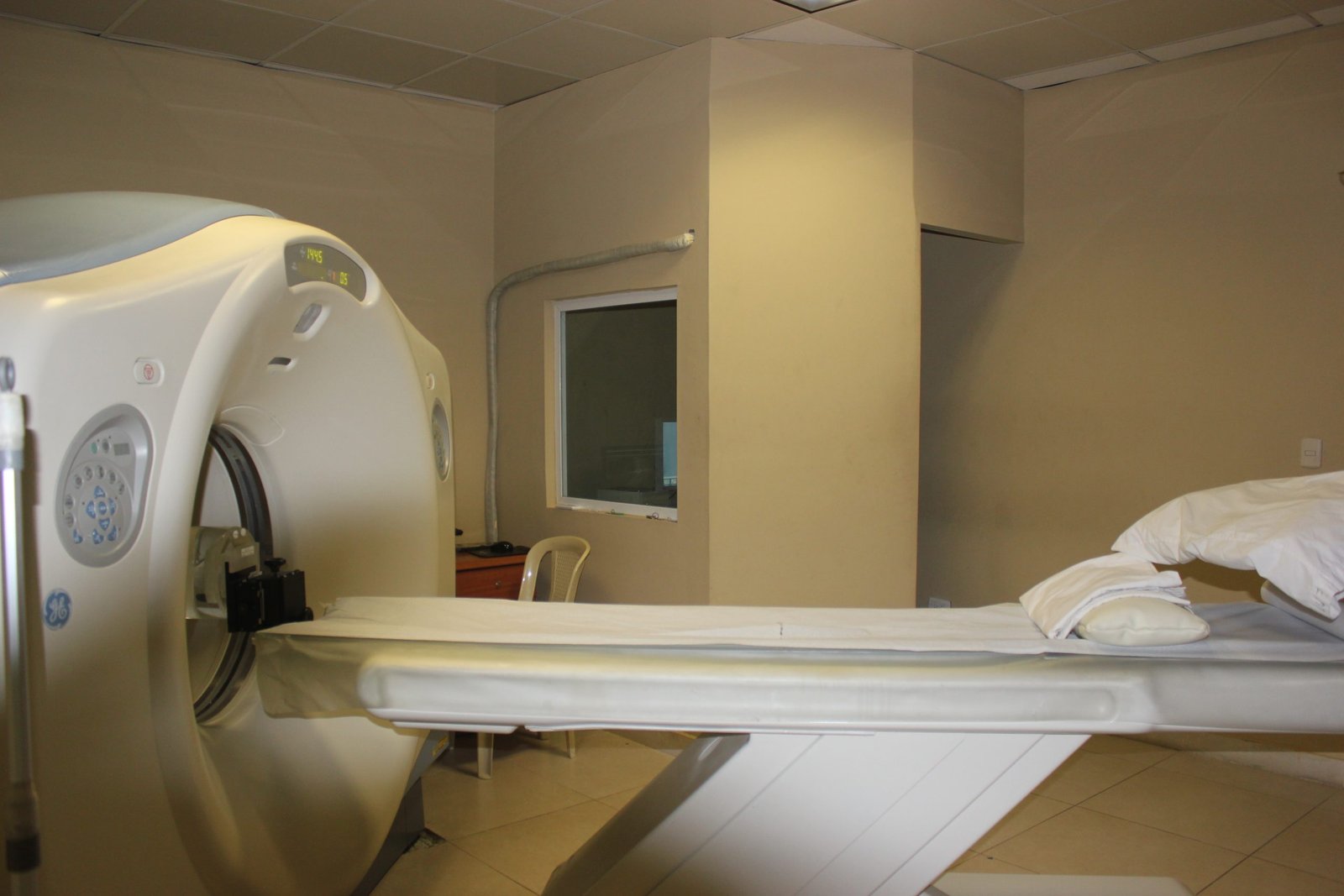
CT scanner and diagnostic imaging room at Centro Médico Cabarete, Dominican Republic
Diagnostic imaging equipment at Centro Médico Cabarete on the Dominican Republic's North Coast.

An Established Expat Community Makes Healthcare More Accessible

One of the significant advantages of living on the North Coast is the large and well-established international community.

Sosúa and Cabarete, in particular, have attracted Canadians, Americans, and Europeans for many years. As a result, numerous businesses and professional service providers have adapted to serving an international clientele.

This includes healthcare.

Many private medical clinics, dental offices, pharmacies, and other healthcare-related businesses in the area have English-speaking doctors, professionals, or support staff.

For someone relocating from Canada or the United States who doesn't speak Spanish fluently, this can make an enormous difference.

Being able to explain your symptoms, discuss treatment options, understand medical instructions, and communicate with administrative staff in English can make accessing healthcare considerably more comfortable.

This is one of the practical differences between settling in an established expat community such as Sosúa or Cabarete and relocating to a larger, predominantly Spanish-speaking city such as Santiago or Santo Domingo.

Those larger cities offer extensive medical facilities and specialized services, but English-speaking assistance may not be as readily available in everyday interactions outside facilities catering specifically to international patients.

On the North Coast, the international community has helped create an environment where English-language services are relatively common, not only in healthcare but also in real estate, banking, legal services, restaurants, and other businesses.

After 14 years of living here and helping people relocate, I consider this one of the region's most valuable advantages.

For newcomers who are not fluent in Spanish, the ability to communicate comfortably while navigating everyday services can make the transition to living in the Dominican Republic considerably easier.

Private Healthcare and Medical Costs

One of the significant financial advantages of living in the Dominican Republic is the affordability of private healthcare.

For Canadians and Americans accustomed to the cost of healthcare in North America, particularly in the United States, the difference can be substantial.

Private medical consultations, diagnostic testing, dental care, specialist appointments, and many medical procedures are often available at considerably lower prices.

Private health insurance can also be significantly more affordable than comparable coverage in the United States, making access to private medical care a realistic option for many residents.

This affordability is particularly attractive because it allows people to access private healthcare services without necessarily facing the same level of financial commitment they might expect elsewhere.

For Canadians accustomed to publicly funded healthcare, the system works differently. Private medical services generally involve insurance coverage, direct payment, or a combination of both. However, the relatively affordable cost of private healthcare can make this an appealing alternative.

Of course, insurance policies differ in their coverage, benefits, and exclusions, so it's important to select a plan appropriate to your circumstances.

The key advantage is that the Dominican Republic can offer access to quality private healthcare at a fraction of the cost many people would expect to pay in North America.

For someone planning to relocate, this can be another meaningful contribution to reducing living expenses while maintaining a comfortable standard of living.

Choosing the Right Health Insurance

Health insurance is an area where I would encourage prospective residents to do their homework.

There are generally two broad options worth exploring: Dominican health insurance plans and international health insurance policies.

Dominican Health Insurance

Local insurance plans may provide access to participating hospitals, clinics, physicians, and diagnostic services within the Dominican Republic.

Depending on the policy, coverage may include consultations, hospitalization, laboratory testing, prescription benefits, and other medical services.

However, policies can differ substantially in their benefits, coverage limits, provider networks, waiting periods, and exclusions.

Some plans may have age-related eligibility requirements or limitations involving pre-existing medical conditions.

It is also important to understand whether a particular hospital or specialist participates in your insurer's network.

International Health Insurance

International health insurance may be worth considering for people who travel frequently, spend part of the year in another country, or want access to medical care outside the Dominican Republic.

These policies may provide broader geographic coverage, although they can also be considerably more expensive.

Coverage for treatment in the United States, medical evacuation, emergency transportation, and pre-existing conditions should be examined carefully.

Not every international policy includes these benefits automatically.

What I Would Recommend

Before purchasing any policy, I would suggest obtaining written answers to several important questions:

  • Which hospitals and medical providers are included?
  • What are the annual and lifetime coverage limits, if any?
  • What deductibles, copayments, and other out-of-pocket expenses apply?
  • Are pre-existing conditions covered, excluded, or subject to waiting periods?
  • Is emergency hospitalization covered?
  • Does the policy provide coverage outside the Dominican Republic?
  • Are medical evacuation or repatriation benefits included?
  • How does the insurer handle direct billing, reimbursement, and hospital authorization?

For Canadians, it's also important to investigate how an extended or permanent absence may affect eligibility for provincial healthcare coverage.

For Americans, Medicare generally does not cover routine healthcare outside the United States, apart from limited exceptions. Private American insurance plans may also have restrictions on international coverage.

These are matters to clarify before relocating, not after a medical problem arises.

Finding Doctors, Specialists, and Dental Care

Finding medical professionals you trust is an important part of settling into a new country.

The Dominican Republic has doctors and specialists who have trained locally and internationally, with a range of professional experience and qualifications.

I would encourage newcomers to establish a relationship with a general practitioner or family doctor and identify suitable specialists for any ongoing medical needs.

Recommendations from established residents can be useful, particularly when you're unfamiliar with the local healthcare system.

However, I would also suggest checking professional qualifications, hospital affiliations, and experience with the particular medical services you require.

Dental care is another service worth investigating.

Private dental clinics are available on the North Coast, and many treatments may be considerably less expensive than comparable private dental services in Canada or the United States.

As with medical treatment, the quality of care and suitability of a particular provider matter more than simply finding the lowest price.

My advice: Build a small network of trusted healthcare providers before you have an urgent medical problem. Knowing whom to contact can make an unfamiliar healthcare system much easier to navigate.

Prescriptions, Pharmacies, and Everyday Medical Needs

Pharmacies are widely available throughout the Dominican Republic, including in Sosúa, Cabarete, and Puerto Plata.

Many commonly used medications can be obtained locally, but availability, brand names, formulations, and prescription requirements may differ from those in Canada or the United States.

If you take medication regularly, I would recommend checking whether the same medication, strength, and formulation are available in the Dominican Republic before relocating.

It is particularly important not to assume that a familiar brand name will be available or that a local alternative will be identical.

Speak with your prescribing physician and a qualified pharmacist before making changes to your medication.

For people with chronic medical conditions, it may also be useful to bring copies of relevant medical records, prescriptions, diagnostic reports, and a list of current medications.

Having this information readily available can make it easier for a new doctor to understand your medical history.

Another practical consideration is maintaining an adequate supply of essential medication during your transition, while observing the applicable rules for bringing medicines into the country.

These preparations may seem minor, but they can prevent unnecessary complications during your first few months.

Emergency Medical Care and Planning Ahead

Emergency healthcare deserves particular attention.

The Dominican Republic has emergency medical services, including the national 911 emergency response system in areas where it operates.

However, response times, ambulance availability, and the level of care accessible at a particular location may vary.

This is especially relevant for people considering homes in more remote communities.

Before choosing a property, I would recommend identifying the nearest appropriate emergency facility and understanding how you would reach it.

It is also wise to have a practical plan for situations in which a local facility cannot provide the required level of treatment.

For some serious or specialized medical needs, transportation to a larger medical centre may be necessary.

Your emergency plan should include current contact information, insurance details, a trusted local contact, and an understanding of what your insurance will cover.

For individuals with significant medical conditions, emergency transportation and medical evacuation coverage may deserve particular consideration.

The purpose of this planning isn't to create unnecessary concern.

It's simply to avoid having to make important decisions for the first time during an emergency.

Healthcare Is Also About the Lifestyle You Choose

When people consider relocating to the Dominican Republic, they often focus on the financial advantages and the appeal of living in a tropical climate.

But I believe there's another aspect of health worth considering.

For many people, the opportunity to spend more time outdoors, remain physically active throughout the year, and experience less day-to-day financial pressure can contribute to a more satisfying lifestyle.

One of the things I appreciate most about living on the North Coast is the ability to incorporate outdoor activities into my everyday routine.

I can go surfing in the morning, enjoy the warm weather throughout the year, and spend much of my time outdoors.

For others, that might mean walking on the beach, swimming, cycling, gardening, or simply having more time for family and personal interests.

Of course, living in a tropical climate doesn't automatically make someone healthier.

Good nutrition, regular physical activity, preventive medical care, adequate sleep, and responsible health decisions remain important wherever you live.

The Dominican Republic also has its own environmental health considerations, including sun exposure, heat, mosquito-borne illnesses, and food and water precautions.

Still, I believe that having greater freedom to create an active and balanced lifestyle can be one of the meaningful benefits of relocating here.

Make Healthcare Part of Your Relocation Plan

My recommendation is to treat healthcare as an essential part of your relocation planning, alongside housing, finances, and earning a living.

Before making a permanent move, take the time to understand what medical services are available in the community you're considering.

Investigate health insurance, identify appropriate doctors and hospitals, and make sure any ongoing medical requirements can be managed reliably.

If you have a significant medical condition, speak with your existing healthcare providers about the implications of relocating and investigate the local treatment options carefully.

For some people, access to particular specialists or medical facilities may influence where they choose to live.

That's a perfectly reasonable consideration.

The objective isn't to find a country where healthcare is identical to what you're accustomed to.

It's to understand the differences, prepare appropriately, and make an informed decision about whether the available services meet your needs.

My advice: Don't allow uncertainty about healthcare to prevent you from exploring the possibility of relocating, but don't leave important medical questions unanswered. Good preparation can make a significant difference to your confidence and peace of mind.

Ultimately, relocating to the Dominican Republic should be about improving your overall quality of life.

And an important part of that is knowing that you and your family have access to the healthcare, support, and resources you need to live here with confidence.

Residency and Immigration: Making Your Move Official

Understanding Residency in the Dominican Republic

For many Canadians and Americans considering relocating to the Dominican Republic, immigration is one of the areas that creates the most uncertainty.

You may already have visited the country several times, found a community you enjoy, and perhaps even started looking at properties. But deciding to make the Dominican Republic your permanent home raises an important question: How do you establish yourself here legally?

The good news is that the Dominican Republic has established immigration pathways for foreigners who wish to live in the country.

These include options for retirees, financially independent individuals, investors, employees, and people with qualifying family connections.

However, the appropriate process depends on your personal circumstances, and understanding the distinction between visiting the country and becoming a legal resident is an important starting point.

After 14 years of living in the Dominican Republic and helping international clients with their relocation plans, I've learned that immigration is an area where good preparation and reliable professional guidance can make the transition considerably easier.

You don't need to become an expert in Dominican immigration law.

You simply need to understand your options and take the appropriate steps before making a permanent move.

Visiting the Dominican Republic Versus Living Here

Many Canadians and Americans first experience the Dominican Republic as tourists.

They come for a vacation, enjoy the climate and lifestyle, and gradually begin imagining what it would be like to live here year-round.

For some, that begins with extended visits or spending several months each year in the country.

But entering the Dominican Republic as a tourist is not the same as receiving authorization to reside here permanently.

Tourist admission is intended for temporary visits and comes with conditions regarding the permitted length and purpose of the stay.

Although visitors who remain beyond their authorized period may encounter an overstay fee when departing, paying that fee does not convert tourist status into legal residency or guarantee future entry.

This is an important distinction for anyone planning to establish a long-term home.

If your intention is to live in the Dominican Republic permanently, I would encourage you to investigate the appropriate immigration status rather than relying indefinitely on tourist entry arrangements.

My advice: Use your initial visits to explore the country, evaluate communities, and decide whether the lifestyle suits you. Once you've made the decision to relocate, develop a proper immigration plan that reflects your long-term intentions.

Temporary and Permanent Residency

The Dominican Republic offers different categories of residency, depending on an applicant's circumstances and the purpose of living in the country.

Two important concepts to understand are temporary residency and permanent residency.

Temporary Residency

Temporary residency is a common starting point for foreigners seeking to establish themselves in the Dominican Republic.

Ordinary temporary residency is generally issued for one year and requires renewal while the individual remains in that category.

Applicants must satisfy the relevant eligibility, documentation, and immigration requirements.

For many people, temporary residency forms part of the pathway toward permanent residency.

Permanent Residency

Permanent residency provides a more established legal status for individuals who qualify.

Under the ordinary residency pathway, applicants generally progress from temporary residency to permanent residency after meeting the applicable residence and renewal requirements.

However, certain qualifying categories, including some investor and other special residency programs, may follow different procedures.

Permanent residency does not necessarily mean that all administrative obligations disappear. Residency documents still require renewal according to the applicable rules.

The important point is that residency should be viewed as a process rather than a single application.

Your initial immigration category, renewal obligations, and long-term objectives should all be considered when developing your plan.

Residency Options for Retirees and Financially Independent Individuals

One of the attractive aspects of relocating to the Dominican Republic is that not everyone needs to find local employment to establish a comfortable life here.

Some people arrive with retirement pensions, investment income, rental income, or other financial resources that allow them to support themselves.

The Dominican Republic recognizes certain immigration categories designed for qualifying retirees and individuals receiving income from outside the country.

Retirement and Pension Income

For someone receiving a qualifying pension from Canada, the United States, or another country, a retirement-related residency pathway may be worth exploring.

These programs are intended for applicants who can demonstrate that they receive qualifying retirement income and satisfy the applicable legal requirements.

Depending on the program and individual circumstances, qualifying retirees may also be eligible for certain incentives established under Dominican law.

This can make the Dominican Republic particularly interesting for people who want to enjoy retirement in a warm climate while making their retirement income go further.

Financial Independence and Investment Income

Individuals receiving qualifying income from investments, rental properties, or other sources may also have residency options worth investigating.

The Dominican Republic has provisions for certain applicants who can demonstrate stable income originating from qualifying sources.

For people who have built financial independence through investments or business ownership, this may provide an opportunity to establish residency without depending on a traditional local job.

However, not every source of income qualifies under every immigration category.

Income requirements, supporting documentation, and the treatment of different financial arrangements should be reviewed with a qualified immigration professional.

Potential Financial Incentives

The Dominican Republic has also established legislation providing certain benefits to qualifying foreign retirees and individuals with qualifying foreign-source income.

Depending on eligibility and the applicable rules, these benefits may include exemptions or reductions involving certain property-related taxes, household goods, or other qualifying transactions.

These incentives can be meaningful, particularly for someone planning to purchase a home and establish long-term residency.

However, the benefits are not automatic simply because someone retires or moves to the country.

Eligibility, registration, documentation, and approval requirements must be satisfied.

For retirees and financially independent individuals, understanding the available residency categories and incentives before relocating can be an important part of protecting their financial interests.

Residency for Entrepreneurs, Investors, and Remote Workers

Not everyone relocating to the Dominican Republic is retiring.

Many people want to continue working, operate an existing business remotely, establish a new company, or invest in a local enterprise.

As we discussed in the Making a Living section of this guide, developing a sustainable income strategy is often one of the most important steps in making relocation possible.

Your immigration strategy should complement that income plan.

Starting or Operating a Business

If you intend to establish or operate a business in the Dominican Republic, your immigration requirements should be considered alongside the legal and tax structure of the business.

Forming a Dominican company and obtaining personal residency are separate matters.

Owning a company does not automatically grant an individual the right to reside or work in the country.

Depending on your circumstances, there may be residency categories associated with employment, investment, or other qualifying activities.

The appropriate approach should be evaluated before making major financial commitments.

Investment-Based Residency

The Dominican Republic also offers immigration pathways for qualifying foreign investors.

These programs may provide a different route from the ordinary temporary residency process, subject to the applicable investment, documentation, and approval requirements.

For someone considering a substantial business investment, this is an option worth investigating.

However, purchasing property or making an investment should never be assumed to provide automatic residency.

Working Remotely

Remote work has made international relocation possible for people who might previously have needed to wait until retirement.

Someone earning income from a Canadian or American employer, an online business, or international clients may be able to maintain that income while living in the Dominican Republic.

But working remotely does not automatically resolve immigration or tax obligations.

The nature of the work, the employer or business arrangement, the length of time spent in the country, and the applicant's immigration status may all be relevant.

Before relocating, remote workers should clarify both their immigration position and any applicable tax or employment considerations.

The objective is to establish a legal and financial arrangement that supports the lifestyle you're trying to create.

Understanding the Residency Application Process

The residency application process involves more than simply completing a form.

Depending on the immigration category, applicants may need to begin by obtaining an appropriate residency visa through a Dominican consulate before proceeding with the residency application in the Dominican Republic.

Supporting documents commonly include a valid passport, birth certificate, criminal background documentation, evidence of financial resources, and other records relevant to the applicant's circumstances.

Some documents must be apostilled or legalized and translated into Spanish according to Dominican requirements.

Medical examinations and additional immigration procedures may also be required.

For couples and families, marriage certificates, birth certificates for children, and other relationship documents may form part of the process.

One of the challenges is that documents issued in Canada or the United States may need to be obtained, authenticated, or prepared before leaving home.

Discovering that an important document is missing after relocating can create unnecessary delays and additional expenses.

Start Preparing Before You Move

My recommendation is to speak with an immigration professional before beginning the application process or making irreversible relocation arrangements.

A qualified professional can help determine which immigration category is appropriate, identify the documents required, and explain which steps should be completed in your home country.

It is also important to allow sufficient time.

Government processing, document preparation, appointments, and requests for additional information can affect the overall timeline.

Rather than assuming your residency will be approved within a particular number of weeks, build flexibility into your relocation plans.

A well-prepared application begins long before the paperwork is submitted.

Working with a Qualified Immigration Lawyer

One of the practical realities of relocating to another country is that you will encounter unfamiliar legal and administrative procedures.

Even when information is available online, understanding how it applies to your individual circumstances can be challenging.

Language can add another layer of difficulty.

Dominican immigration procedures and official documentation are primarily conducted in Spanish, and communicating with government offices may not always be straightforward for someone who is not fluent in the language.

For these reasons, I generally recommend working with a qualified Dominican immigration lawyer who has experience assisting foreign applicants.

A knowledgeable professional can help you understand the appropriate residency pathway, prepare the required documentation, navigate the application process, and respond to questions that arise along the way.

This doesn't eliminate every possible delay or complication, but it can reduce uncertainty and help avoid preventable mistakes.

The Advantage of Having Local Support

One of the benefits of relocating to an established international community such as Sosúa or Cabarete is access to professionals who regularly work with foreign residents.

Over the years, the North Coast has developed a network of lawyers, accountants, real estate professionals, and other service providers familiar with the needs of Canadians, Americans, and Europeans establishing themselves in the Dominican Republic.

Through my own experience living here and helping clients relocate, I've come to appreciate how valuable reliable local relationships can be.

My approach is to help people understand the different aspects of relocating and connect them with appropriate specialists when professional assistance is needed.

I don't believe anyone should have to navigate an unfamiliar country entirely on their own.

At the same time, immigration decisions and legal advice should come from qualified professionals who are responsible for those services.

The right local support can turn what initially feels like a complicated process into a more manageable series of steps.

Residency, Citizenship, and Your Long-Term Plans

For most people relocating to the Dominican Republic, obtaining appropriate residency is the immediate priority.

However, some individuals eventually become interested in Dominican citizenship.

Residency and citizenship are different legal statuses.

Residency permits a qualifying foreign national to live in the country under the conditions of their immigration status.

Citizenship involves a separate legal process and, if granted, provides the rights and responsibilities associated with Dominican nationality.

Naturalization may be available to qualifying residents who satisfy the applicable legal requirements.

However, obtaining permanent residency does not automatically make someone eligible for immediate citizenship, nor does it guarantee that a naturalization application will be approved.

For Canadians and Americans considering citizenship in the future, it is also important to understand how acquiring another nationality may interact with their existing citizenship and other legal obligations.

Most prospective residents do not need to make this decision before moving.

It is simply useful to recognize that residency can form part of a longer-term plan.

Make Immigration Part of Your Relocation Strategy

One of the lessons I've learned from living in the Dominican Republic is that successful relocation involves more than finding a beautiful place to live.

You need to think about how the different parts of your new life fit together.

Your income strategy, housing decisions, healthcare arrangements, banking, tax obligations, and immigration status are all connected.

For example, someone planning to retire may have a different immigration pathway from a person establishing a Dominican business.

A family relocating with children may have additional documentation and planning requirements.

And someone dividing their time between Canada and the Dominican Republic may need to consider different practical arrangements from someone making a permanent move.

This is why I encourage people to look at relocation as a coordinated plan rather than a collection of unrelated decisions.

Start by understanding the lifestyle you want.

Determine how you will support that lifestyle financially.

Then work with the appropriate professionals to establish the legal and administrative arrangements needed to make it sustainable.

You Don't Have to Figure Everything Out Alone

Having gone through the relocation process myself and spent more than a decade helping others establish themselves on the North Coast, I understand that moving to another country can involve unfamiliar decisions.

But I also know that many of the uncertainties become much easier to manage once you have reliable information and the right people to guide you.

My goal is to help prospective residents evaluate whether relocating makes sense for their circumstances, understand the practical steps involved, and connect with experienced local professionals when specialized assistance is required.

You don't need to have every detail resolved before you begin exploring the possibility of a different life.

But you should have a clear plan before making a permanent commitment.

My advice: Don't let immigration paperwork discourage you from considering the Dominican Republic. Understand the process, obtain qualified guidance, and give yourself sufficient time to prepare. With the right approach, legal residency can become one manageable part of a much larger and more rewarding life transition.

Ultimately, relocating isn't simply about obtaining permission to live in another country.

It's about creating the foundation for a secure, sustainable, and fulfilling life in the place you've chosen to call home.

Immigration requirements and procedures may change. For current official information, visit the Dirección General de Migración. This guide provides general information and is not a substitute for qualified immigration or legal advice.

Banking, Money Transfers, and Managing Your Finances

Understanding Banking in the Dominican Republic

One of the practical considerations when relocating to another country is learning how to manage your finances in a different banking system.

For Canadians and Americans accustomed to their existing banks, credit cards, online banking, and financial institutions, moving to the Dominican Republic naturally raises questions.

Can you open a local bank account? Can you maintain accounts in Canadian or US dollars? How do you transfer money internationally? And what is the most economical way to manage everyday expenses?

The good news is that the Dominican Republic has an established banking system with major financial institutions offering many of the services people are accustomed to using in North America.

Banks such as Banco Popular, Banreservas, BHD, and Scotiabank provide personal and business banking services, including savings accounts, debit cards, online banking, and international transfers.

Many banks also offer accounts denominated in both Dominican pesos and US dollars.

After living in the Dominican Republic for 14 years and managing financial transactions between Canada and the Dominican Republic, I've learned that banking here is entirely manageable.

However, there are differences worth understanding, particularly when it comes to opening accounts, transferring funds internationally, and exchanging currencies.

A little preparation can save considerable time, frustration, and unnecessary expense.

Opening a Dominican Bank Account

Establishing a local banking relationship is one of the most useful steps you can take when planning to live in the Dominican Republic.

A Dominican bank account makes it easier to pay local bills, receive funds, manage property-related expenses, and conduct everyday financial transactions.

Most major banks offer accounts in Dominican pesos, while some also provide US dollar accounts.

Having access to both currencies can be particularly useful for expatriates.

However, opening an account as a foreign national may involve more documentation than you're accustomed to providing in Canada or the United States.

What Banks May Require

Requirements vary depending on the financial institution, the type of account, and your immigration status.

Banks may request:

  • A valid passport and other identification.
  • Evidence of legal residency or other immigration documentation, where applicable.
  • Proof of your residential address.
  • Information about your employment, business activities, or source of income.
  • Recent bank statements from your existing Canadian or American financial institution, and possibly a bank reference letter.
  • Documentation explaining the source of funds you intend to deposit.

Some institutions may have additional requirements for foreign nationals or applicants who have not yet obtained Dominican residency.

The important thing to understand is that opening a Dominican bank account isn't necessarily as simple as walking into a branch with your passport.

Financial institutions have customer identification and anti-money-laundering obligations, and they may require supporting documentation before approving an account.

Choosing the Right Bank

I would encourage newcomers to consider more than simply which bank has the closest branch.

Look at the availability of English-speaking assistance, online banking functionality, branch accessibility, account fees, international transfer capabilities, and the bank's requirements for foreign customers.

On the North Coast, the established international community can make it easier to find banking professionals who are familiar with assisting foreign residents.

Developing a relationship with a knowledgeable bank representative can also be valuable, particularly when you need help with an international transaction or an unfamiliar procedure.

My advice: Before relocating, contact one or two Dominican banks to confirm their current account-opening requirements. Ask specifically what documentation they require from a Canadian or American citizen in your circumstances.

Managing Money Between Two Countries

One of the financial decisions I encourage prospective residents to think through carefully is how they will manage their money between their home country and the Dominican Republic.

For many people, the best approach isn't to move every financial account and asset to the Dominican Republic.

Instead, maintaining banking relationships in both countries can provide greater flexibility.

For example, you may continue receiving pension payments, investment income, or business revenue into a Canadian or American account while transferring funds to the Dominican Republic as needed.

This can make it easier to manage obligations in your home country, maintain access to established financial services, and avoid unnecessary currency conversions.

It also provides an additional measure of flexibility if you travel frequently or spend part of the year outside the Dominican Republic.

Maintaining Your Canadian or American Accounts

Before leaving your home country, investigate whether your existing financial institutions will continue providing the services you need after you become a nonresident.

Some banks and investment providers have restrictions or additional requirements for customers living abroad.

You should also review how you will receive security verification codes, access online banking, replace expired cards, and communicate with your financial institutions from overseas.

These details may seem minor, but they become considerably more important when you're thousands of kilometres away from your former bank branch.

I would also recommend maintaining sufficient funds in your home-country accounts to cover any continuing financial obligations.

The goal is to create a financial arrangement that works smoothly across both countries.

International Money Transfers and Currency Exchange

Moving money internationally is one of the areas where I believe careful planning can make a meaningful financial difference.

Over the years, I've transferred funds between Canadian and Dominican banks using different methods, including traditional bank transfers and international money transfer services.

One lesson I've learned is that the least expensive transfer on paper isn't always the best transfer in practice.

The exchange rate, processing time, intermediary banks, receiving-bank charges, and reliability of the transfer all matter.

Understanding the True Cost of a Transfer

When comparing international money transfer options, there are several costs to consider.

  • Exchange-rate margins: Banks and transfer providers may apply a margin to the exchange rate. Even when a transfer is advertised as having no fee, the provider may earn money through the currency conversion.
  • Sending fees: Some financial institutions charge a fixed fee to initiate an international wire or transfer.
  • Intermediary-bank charges: International payments sometimes pass through correspondent banks, which may deduct additional fees.
  • Receiving-bank fees: The Dominican bank receiving your funds may charge a fee for processing an incoming international transfer.

These charges can add up, particularly when you're transferring money regularly.

For larger transactions, even a relatively small difference in the exchange rate can represent a meaningful amount of money.

Reliability Matters as Much as Cost

I've also learned that the speed and reliability of a transfer deserve just as much attention as the advertised exchange rate.

A transfer that arrives promptly and is credited correctly can be worth more than a slightly cheaper option that creates uncertainty or requires repeated follow-up.

International transfers can occasionally be delayed because of compliance reviews, incorrect beneficiary information, intermediary-bank processing, or other banking procedures.

When transferring money to a Dominican account, make sure the beneficiary name, account details, receiving bank, and required international payment instructions are accurate.

This is especially important when sending money to a business account, where the legal account name must match the bank's records.

For substantial transfers, I would also recommend confirming the receiving instructions directly with your Dominican bank before initiating the payment.

My Approach to International Transfers

My preference is to evaluate each transfer based on three considerations:

  1. Reliability: How consistently does the service deliver funds to the correct account?
  2. Total cost: What amount will actually arrive after exchange-rate margins and all applicable fees?
  3. Processing time: How quickly will the funds become available, and how predictable is the process?

For someone purchasing property, establishing a business, or transferring a significant portion of their savings, these considerations are particularly important.

I would also suggest testing a new transfer method with a relatively small amount before relying on it for a major transaction.

My advice: Don't choose an international transfer provider based solely on an advertised low fee. Compare the final amount received, the reliability of the transfer process, and the support available if something goes wrong.

Make Sure You Can Transfer Money Online Before You Relocate

One of the most important banking arrangements to establish before leaving Canada or the United States is a reliable way to transfer money internationally without having to visit your bank in person.

This is something I would strongly encourage prospective residents to investigate before relocating.

Not all banks offer the same international transfer capabilities through online banking.

Some financial institutions allow customers to initiate international transfers directly through their websites or mobile banking applications. Others may restrict certain transfers, particularly larger international wires, to transactions initiated in person at a branch.

This distinction becomes very important once you're living in another country.

Imagine needing to transfer money from your Canadian or American bank account to cover a property purchase, living expenses, or an unexpected financial obligation, only to discover that your bank requires you to visit a branch in person.

What might have been a simple transaction while living in Canada or the United States can become a significant inconvenience when you're living in the Dominican Republic.

Before relocating, I recommend confirming that you have a dependable online method for transferring funds internationally.

Specifically, investigate whether your financial institution allows you to:

  • Initiate international transfers online or through its mobile banking application.
  • Send money directly to a Dominican bank account.
  • Transfer the amounts you're likely to need, including larger transactions.
  • Complete security verification and transaction approvals while outside your home country.
  • Access customer support and resolve transfer problems remotely.

I would also recommend completing a small test transfer before relocating. This allows you to confirm that the entire process works, from initiating the transfer to receiving the funds in your Dominican bank account.

What If Your Bank Requires an In-Person Visit?

If your existing bank doesn't provide a suitable online international transfer service, you should make alternative arrangements before leaving your home country.

One option is to establish an account with another financial institution that offers the international transfer capabilities you require.

Another possibility is to arrange for a trusted person in your home country to act on your behalf through a properly established banking power of attorney.

However, this should never be assumed to be a simple solution.

Banks have their own requirements for accepting powers of attorney, and some transactions may remain subject to restrictions or additional verification. Any arrangement should be confirmed with the financial institution and prepared with appropriate legal guidance before you relocate.

My advice: Don't wait until you're living in the Dominican Republic to discover that you cannot transfer your own money internationally. Make sure you have a reliable, tested online transfer method—or an approved alternative arrangement—before you leave your home country.

Planning for Large International Transfers

Another important consideration is that online international money transfers frequently have transaction limits.

Even when your bank allows you to transfer money internationally through online banking, there may be daily, per-transaction, or other limits on the amount you can send.

These limits vary between financial institutions, account types, and transfer services.

For everyday living expenses, they may not present a problem.

However, if you're planning to purchase property, invest in a business, or transfer a substantial amount of savings to the Dominican Republic, the limits could become a significant obstacle.

For example, someone purchasing a property for US$250,000 may discover that their bank's online international transfer limit is far below the amount required to complete the transaction.

In some circumstances, larger transfers may require visiting a bank branch in person. Other financial institutions may offer alternative arrangements, such as higher transfer limits, specialized wire transfer services, or transactions authorized through an approved remote process.

The important thing is to establish how you will transfer larger amounts before leaving your home country.

I would recommend discussing your anticipated transfer requirements directly with your bank and obtaining clear answers to the following questions:

  • What are the maximum amounts I can transfer internationally online?
  • Are there daily, per-transaction, or cumulative transfer limits?
  • Can these limits be increased, and if so, how?
  • Can larger international wire transfers be authorized while I'm outside the country?
  • Will I need to visit a branch in person for substantial transactions?
  • Can alternative arrangements, including an approved power of attorney, be established in advance?

If you anticipate purchasing property or making a significant investment, I would encourage you to arrange an appropriate transfer method with your bank before relocating.

This is particularly important because transferring large sums of money may also involve additional verification of the source of funds and the purpose of the transaction.

My advice: Don't assume that because you can transfer a few thousand dollars online, you'll also be able to transfer the proceeds from selling your home. Confirm your bank's limits and establish an approved method for handling larger transactions before leaving Canada or the United States.

Using Credit Cards, Debit Cards, and ATMs

For everyday spending, credit cards and debit cards are widely accepted at many supermarkets, restaurants, hotels, and established businesses throughout the Dominican Republic.

Visa and Mastercard are commonly used, particularly in tourist areas and larger communities.

However, cash remains important for many everyday transactions.

Smaller shops, local markets, independent service providers, and certain businesses may prefer or require cash payments.

For this reason, I recommend maintaining convenient access to Dominican pesos.

Using Foreign Credit Cards

Canadian and American credit cards can be useful for purchases, travel expenses, and emergencies.

However, foreign transaction fees and exchange-rate margins can make them more expensive than they initially appear.

Some cards offer more favourable international transaction terms than others.

Before relocating, review the foreign transaction fees, cash advance charges, and other international-use conditions associated with your cards.

It is also worth checking whether your financial institution imposes restrictions on extended overseas use.

ATM Withdrawals

ATMs are widely available in larger communities and commercial areas.

However, withdrawing cash using a foreign debit card may involve fees from both the local ATM operator and your home-country bank.

Your bank may also apply a currency conversion margin.

When an ATM or card terminal offers to convert a transaction into your home currency, that conversion may involve an unfavourable exchange rate.

In many situations, choosing to be charged in Dominican pesos and allowing your card issuer to perform the conversion can be more economical, although the exact result depends on your card's terms.

I would also recommend using ATMs located at established bank branches or other secure locations whenever practical.

Keeping Some Cash Available

Although electronic payments are increasingly convenient, I believe it's sensible to keep a modest amount of local currency available for everyday expenses and unexpected situations.

You don't need to carry large amounts of cash.

Simply recognize that the Dominican Republic still has many businesses and services where cash is the most convenient payment method.

Understanding Dominican Pesos and US Dollars

One difference newcomers quickly notice is that the Dominican Republic operates with two currencies in many everyday commercial situations.

The Dominican peso is the country's official currency and is used for most local transactions.

However, US dollars also play an important role, particularly in real estate, tourism, and certain larger financial transactions.

For example, residential properties on the North Coast are commonly advertised and negotiated in US dollars.

Rental properties catering to international residents may also quote prices in US dollars.

Meanwhile, groceries, utilities, local transportation, restaurant meals, and many everyday services are generally paid in Dominican pesos.

Understanding which currency applies to a particular transaction is important.

Avoiding Unnecessary Currency Conversions

For Canadians, this can introduce an additional consideration.

If your savings or income are in Canadian dollars, but you're purchasing a property priced in US dollars, you need to understand the exchange rate and total cost of converting those funds.

Repeatedly converting money between Canadian dollars, US dollars, and Dominican pesos can create unnecessary expenses.

This is one reason I believe having a clear financial plan before relocating is valuable.

For larger transactions, it may make sense to arrange the required currency in advance, depending on your circumstances and the terms offered by your financial institution.

For everyday living expenses, maintaining access to Dominican pesos is generally the most practical arrangement.

The objective is to minimize unnecessary conversions while keeping your money accessible when you need it.

Financial Planning, Taxes, and Recordkeeping

Banking is only one part of managing your finances after relocating.

You should also consider how your move may affect taxation, investment accounts, retirement income, business activities, and financial reporting obligations.

These matters can be particularly important for Canadians and Americans because the tax rules governing individuals who live abroad differ between the two countries.

Understanding Tax Residency

Immigration residency and tax residency are not necessarily the same thing.

Obtaining Dominican residency does not automatically mean that you've ceased to be a tax resident of Canada or the United States.

For Canadians, tax residency generally depends on the relevant facts and residential ties, along with applicable tax rules and treaties.

For US citizens, federal tax filing obligations may continue even while living abroad, subject to applicable exclusions, credits, and other rules.

The Dominican Republic also has its own tax laws governing residents, businesses, and different types of income.

The treatment of foreign-source income can depend on the circumstances and applicable provisions.

These are areas where I strongly recommend obtaining advice from a qualified tax professional familiar with cross-border issues.

Maintaining Good Financial Records

I would also encourage newcomers to maintain organized financial records.

This includes documentation relating to international transfers, property purchases, business investments, sources of income, and significant financial transactions.

Banks may request supporting documentation when processing larger deposits or transfers.

Maintaining clear records can make these requests easier to satisfy and may also help with future tax reporting, accounting, or property transactions.

Protecting Your Financial Flexibility

One of the objectives of relocating to the Dominican Republic is often to reduce financial pressure and create a more comfortable lifestyle.

Good financial planning supports that objective.

I would encourage prospective residents to maintain adequate emergency savings, understand their recurring expenses, and avoid committing all their available resources to a property purchase or business investment.

A beautiful home in the Caribbean is appealing, but financial flexibility is an important part of enjoying the lifestyle you've worked to create.

Establish Your Financial System Before Relocating

One of the most useful things you can do before moving to the Dominican Republic is organize your financial arrangements while you still have convenient access to your existing institutions.

I would recommend taking care of several important matters before making the move:

  1. Review your existing bank accounts. Decide which Canadian or American accounts you intend to maintain and confirm that your banks will continue serving you while you live abroad.
  2. Secure your online banking access. Make sure you can receive security verification codes, manage your accounts, and communicate with your financial institutions internationally.
  3. Investigate Dominican banking requirements. Contact local banks to determine what documentation you'll need to open an account.
  4. Establish a reliable international transfer method. Confirm that you can initiate transfers online, understand your bank's daily and transaction limits, complete a successful test transfer, and arrange an approved method for transferring larger sums before relocating.
  5. Understand transfer costs. Compare exchange-rate margins, sending fees, intermediary-bank charges, and receiving-bank fees.
  6. Review your credit and debit cards. Check foreign transaction fees, ATM charges, international-use restrictions, and card replacement procedures.
  7. Plan for multiple currencies. Determine how you'll manage Canadian dollars, US dollars, and Dominican pesos without unnecessary conversions.
  8. Review your cross-border tax obligations. Consult a qualified professional about tax residency, reporting requirements, investments, and other relevant financial considerations.
  9. Organize your financial records. Keep accessible documentation of income sources, international transfers, property transactions, and significant investments.
  10. Maintain accessible emergency savings. Keep sufficient funds available for unexpected expenses, medical needs, and other financial obligations.

You don't need to have every detail perfected before relocating.

However, establishing a reliable financial foundation can make the transition considerably smoother.

My Perspective After 14 Years in the Dominican Republic

One of the things I've learned is that financial freedom isn't simply about earning more money.

It's also about managing the money you have wisely, reducing unnecessary expenses, and creating a lifestyle that doesn't place constant pressure on your finances.

The Dominican Republic offers opportunities to achieve that balance.

For many people, lower housing costs, affordable services, and a different pace of life can make their financial resources go considerably further.

But those advantages are best enjoyed when the practical financial arrangements supporting your lifestyle are dependable.

I've found that maintaining access to banking services in both Canada and the Dominican Republic, understanding currency exchange costs, and developing reliable local banking relationships can make managing finances much easier.

And for people unfamiliar with the Dominican banking system, having access to experienced local professionals can help avoid unnecessary frustration.

My advice: Establish your financial arrangements before relocating, keep your options open, and don't underestimate the value of reliable banking relationships. The goal is to make managing your money simple enough that it doesn't interfere with enjoying your new life.

Ultimately, relocating to the Dominican Republic should give you greater control over how you live and how you use your financial resources.

The objective isn't simply to reduce your cost of living. It's to create the financial stability and freedom that allow you to enjoy the life you've chosen.

Finding a Home in the Dominican Republic: Renting, Buying, and Choosing the Right Property

Finding the Right Home for Your New Lifestyle

For many people considering a move to the Dominican Republic, finding a home is one of the most exciting parts of the relocation process.

After years of living in Canada or the United States, the possibility of owning a beautiful Caribbean property, enjoying a swimming pool year-round, or living within minutes of the beach can be very appealing.

And compared with many North American real estate markets, the Dominican Republic can offer attractive opportunities.

However, after 13 years working in Dominican real estate and helping international buyers find properties on the North Coast, I've learned that choosing the right home involves much more than finding an attractive property at a good price.

Your home should support the lifestyle you're hoping to create.

That means thinking carefully about location, property size, maintenance requirements, security, accessibility, and the ongoing cost of ownership.

One of the biggest mistakes I see prospective buyers make is focusing on how much house they can afford rather than how much house they actually need.

The goal isn't simply to purchase a beautiful property in the Caribbean.

It's to find a home that makes your new life more enjoyable, manageable, and financially sustainable.

Should You Rent Before Buying?

One of the first decisions you'll face is whether to rent a property initially or purchase a home shortly after arriving.

There isn't one right answer for everyone.

Some people have spent years visiting the Dominican Republic, know exactly where they want to live, and are comfortable purchasing a property.

Others are experiencing the country for the first time and would benefit from taking more time before making a major financial commitment.

The Advantages of Renting First

For newcomers who are unfamiliar with the different communities, I often recommend considering a rental before purchasing.

Renting gives you the opportunity to experience everyday life rather than making a decision based entirely on a vacation experience.

You can learn which neighbourhoods you prefer, how convenient the location is for shopping and medical services, and whether the surrounding environment suits your expectations.

You may also discover that your priorities change after living here for several months.

For example, you might initially imagine living directly on the beach but later discover that you prefer a quieter residential community a short drive inland.

Or you might think you want a large private villa, only to realize that a condominium or smaller home would provide more freedom to travel and enjoy the country.

Renting also gives you time to understand local property management, utilities, maintenance, and security arrangements.

When Buying Immediately May Make Sense

Buying sooner can make sense if you've already spent considerable time in the Dominican Republic, understand the local market, and have identified a community that fits your lifestyle.

However, I would still encourage you to approach the purchase carefully.

A property should be evaluated not only as a place to live, but also in terms of its ongoing costs, suitability, and potential resale appeal.

My advice: If you're uncertain about where or how you want to live, renting for several months can be a worthwhile investment in making a better long-term decision.

Choosing the Right Community on the North Coast

One of the advantages of the Dominican Republic's North Coast is the variety of communities available within a relatively compact geographic area.

Sosúa, Cabarete, and Puerto Plata each offer different lifestyles, and there are numerous residential developments and smaller communities between them.

Understanding these differences is important because the right location for one person may not be the right location for another.

Sosúa: Convenience and Established Communities

Sosúa offers an established international community, supermarkets, restaurants, medical services, beaches, and a wide selection of residential properties.

There are gated villa communities, condominium developments, and established neighbourhoods catering to both Dominican and international residents.

For people who value convenience and easy access to everyday services, Sosúa can be an attractive option.

Cabarete: Outdoor Living and an Active Lifestyle

Cabarete is particularly appealing to people who enjoy an active outdoor lifestyle.

Its beaches, restaurants, cafés, and international community have made it a popular destination for people interested in surfing, kiteboarding, watersports, and relaxed coastal living.

I particularly appreciate this lifestyle because spending time outdoors and surfing have become an important part of my own daily routine.

Cabarete offers everything from beachfront condominiums to residential villas and homes in quieter surrounding communities.

Puerto Plata: City Amenities and a Different Pace

Puerto Plata is a larger city with established commercial services, shopping, healthcare facilities, and a broader range of urban amenities.

It can appeal to people who prefer a more traditional Dominican city environment while remaining close to beaches, mountain scenery, and the North Coast's recreational opportunities.

Look Beyond the Property Itself

When choosing a community, I recommend considering several practical questions:

  • How far is the property from supermarkets, healthcare, and other everyday services?
  • Will you need a vehicle, or can you comfortably manage without one?
  • How secure and well maintained is the surrounding neighbourhood?
  • Are roads and access routes suitable throughout the year?
  • How noisy or quiet is the area at different times of day?
  • Does the community have reliable utilities and internet service?
  • Are there neighbours, social activities, or amenities that match your lifestyle?

I would also encourage you to visit potential neighbourhoods at different times of day.

A community that seems peaceful during an afternoon property viewing may feel quite different in the evening or on weekends.

My advice: Choose the community first and the property second. A beautiful home in the wrong location is rarely a good long-term decision.

Understanding Your Property Options

The Dominican Republic offers several types of residential properties, each with its own advantages and responsibilities.

Condominiums: Convenience and Lower Maintenance

A condominium can be an excellent option for someone who wants a comfortable home without taking on all the responsibilities of maintaining a private property.

Many condominium developments offer shared amenities such as swimming pools, landscaped grounds, security, and property management.

For retirees, frequent travellers, or people who want a simpler lifestyle, this arrangement can be appealing.

However, condominium ownership normally involves monthly maintenance or homeowners association fees.

It's important to understand what those fees cover, how the development is managed, and whether additional assessments may be required for major repairs or improvements.

Private Villas: Space, Privacy, and Independence

Private villas offer more space, privacy, and flexibility.

A villa may include a private swimming pool, garden, covered terrace, outdoor kitchen, and additional living areas.

For people who enjoy entertaining, gardening, or spending much of their time at home, a villa can be an excellent choice.

However, the additional space and amenities come with greater maintenance responsibilities.

Swimming pools require regular cleaning and equipment maintenance. Gardens need ongoing attention. Buildings require repairs, painting, and general upkeep.

A private villa can provide a wonderful lifestyle, but it's important to understand the work and expenses involved.

Gated Residential Communities

Gated communities are popular with many international buyers on the North Coast.

They may offer controlled access, security services, common-area maintenance, and varying levels of property management.

Some communities also provide rental management services for owners who wish to generate income when they're not using their properties.

However, the services and obligations vary considerably between developments.

Before purchasing, understand the community's rules, fees, maintenance arrangements, and any restrictions affecting how you intend to use the property.

Why Bigger Isn't Always Better

This is an area where my personal experience has changed how I think about homeownership.

When I first moved to the Dominican Republic, I purchased a large six-bedroom villa.

At the time, I expected it to be primarily an investment property and vacation rental. I hadn't originally planned to make it my long-term family home.

But life changed, and we ended up living in the property ourselves.

It's a beautiful home, and we've enjoyed many aspects of living there.

However, over the years, I've come to appreciate that a large house isn't necessarily the best choice for the lifestyle we actually live.

The Value of Outdoor Living

In Canada, much of our home life takes place indoors, particularly during the colder months.

In the Dominican Republic, the climate allows you to spend a substantial portion of your day outdoors throughout the year.

Covered terraces, outdoor dining areas, shaded seating spaces, and poolside lounges often become the most frequently used parts of the home.

I've learned that I don't need a large amount of indoor living space to enjoy a comfortable lifestyle here.

In fact, my preference now is for a smaller, more efficient home with two generous covered outdoor areas.

One would be designed for outdoor cooking and dining.

The other would be a comfortable poolside lounge where we could relax, entertain friends, and enjoy the tropical climate.

For me, that arrangement offers more practical value than maintaining several rooms that receive relatively little use.

Consider the Cost of Maintaining Your Home

A larger property generally means more cleaning, maintenance, repairs, furnishings, utilities, and ongoing expenses.

It may also require additional help with gardening, pool care, and general upkeep.

These costs are easy to overlook when comparing Caribbean property prices with those in Canada or the United States.

For someone selling a valuable home in North America, it can be tempting to purchase a much larger property in the Dominican Republic simply because it's affordable.

But doing so can undermine one of the most important reasons for relocating: reducing financial pressure and creating greater freedom.

My advice: Don't buy the biggest home you can afford. Buy the home that best supports the lifestyle you want, with enough financial flexibility left over to enjoy it.

The Hidden Responsibilities of Oceanfront Living

Owning a property directly on the ocean is a dream for many people.

The views can be spectacular, and there's something special about waking up to the sound of the waves.

However, oceanfront ownership also comes with practical considerations that aren't always obvious during a property viewing.

Salt Air and Maintenance

Salt carried by ocean breezes can accelerate corrosion of metal fixtures, appliances, outdoor equipment, air-conditioning components, and other building materials.

Oceanfront properties may require more frequent maintenance, cleaning, painting, and replacement of exposed materials.

Windows can also accumulate salt deposits that require regular cleaning to maintain clear views.

These aren't necessarily reasons to avoid an oceanfront property, but they should be considered when evaluating the true cost of ownership.

Wind, Weather, and Privacy

Oceanfront homes can also experience stronger winds and greater exposure to coastal weather.

Depending on the property's location, privacy may be another consideration.

A home overlooking a public beach may have people regularly walking along the shoreline in front of the property.

For some owners, that's part of the appeal.

Others may discover that they would prefer a quieter, more private setting.

I've spoken with oceanfront homeowners who eventually decided that living a short distance inland offered a better balance of convenience, privacy, and maintenance costs.

My advice: Before paying a premium for an oceanfront property, consider whether you truly need to live directly on the water or whether being a few minutes from the beach would provide the lifestyle you're looking for with fewer ongoing responsibilities.

Understanding the True Cost of Property Ownership

One of the advantages of purchasing property in the Dominican Republic is that certain ownership costs can be lower than in many North American markets.

However, the purchase price is only one part of the financial picture.

Before buying, I recommend preparing a realistic estimate of both the initial acquisition costs and the ongoing expenses.

Purchase-Related Expenses

Depending on the transaction and property, expenses may include:

  • Property transfer taxes and registration-related costs.
  • Legal fees for title verification and closing.
  • Due diligence and property inspection expenses.
  • Financing-related costs, if applicable.
  • Initial furnishing, improvements, or repairs.

The applicable costs and tax treatment should be confirmed with a qualified Dominican real estate lawyer before committing to a purchase.

Ongoing Ownership Expenses

Regular expenses may include:

  • Electricity and internet service.
  • Homeowners association or condominium maintenance fees.
  • Property insurance.
  • Pool and garden maintenance.
  • Cleaning, repairs, and periodic improvements.
  • Property management or security services.
  • Applicable annual property taxes.

It's important to understand the full monthly and annual cost of maintaining a property rather than focusing only on the purchase price.

A home that appears inexpensive to purchase may be considerably more expensive to maintain than a smaller, more efficient alternative.

Buying Property Safely in the Dominican Republic

One of the advantages of purchasing real estate in the Dominican Republic is that foreigners generally enjoy the same property ownership rights as Dominican citizens.

Canadians, Americans, and other international buyers can purchase property in their own names without needing Dominican citizenship or residency. There is no general requirement to have a Dominican partner to own residential real estate.

The purchasing process is also relatively straightforward and shares many similarities with buying property in Canada or the United States.

As with any real estate transaction, however, it's important to have experienced professionals representing your interests.

After 13 years working with international property buyers on the North Coast, I've learned that having the right people involved makes the purchasing experience considerably smoother.

A knowledgeable real estate professional can help you evaluate properties, understand the local market, negotiate the purchase, and coordinate the transaction.

Equally important is engaging a qualified Dominican real estate lawyer who can verify the property's legal documentation, conduct the necessary due diligence, prepare or review the purchase agreements, and oversee the legal aspects of closing.

Through Wildefire Properties, I help international buyers navigate this process and connect them with experienced legal professionals who can protect their interests.

My advice: Purchasing property in the Dominican Republic doesn't need to be complicated. With the right real estate guidance and qualified legal representation, the process can be straightforward, transparent, and well organized.

Legal Due Diligence

Before completing a purchase, your lawyer should investigate the property's legal status and verify the relevant documentation.

This may include:

  • Confirming the registered owner and the validity of the property title.
  • Checking for mortgages, liens, or other registered encumbrances.
  • Reviewing the property's boundaries and cadastral documentation.
  • Confirming relevant tax obligations and outstanding charges.
  • Reviewing condominium or community rules, where applicable.
  • Verifying permits, approvals, and contractual obligations for new construction.

The precise requirements depend on the property and type of transaction.

I would never recommend purchasing a property simply because the seller or developer assures you that everything is in order.

Independent legal verification is essential.

Buying Pre-Construction Property

Purchasing a property before construction is complete can offer advantages, including access to newly designed homes and the possibility of staged payments.

However, pre-construction purchases introduce additional considerations.

Before committing, investigate the developer's track record, legal ownership of the land, construction approvals, contractual delivery obligations, payment schedule, and procedures for addressing delays or deficiencies.

It's also important to understand exactly what is included in the purchase price.

Furnishings, appliances, landscaping, pools, and other features may not always be included unless specifically identified in the contract.

My advice: Never allow excitement about a property to replace proper due diligence. A good real estate purchase should make sense legally, financially, and practically.

Thinking About Resale and Rental Potential

Even if you intend to live in your Dominican property for many years, I believe it's sensible to consider how easily it could be sold or rented in the future.

Circumstances can change.

You may decide to downsize, move to another community, return to your home country, or travel more frequently.

A property that appeals to a broad range of buyers may provide greater flexibility if your plans change.

Location, accessibility, property condition, maintenance costs, community reputation, and realistic pricing can all influence resale appeal.

Rental Income: An Opportunity, Not a Guarantee

Some buyers are interested in generating rental income from their property, particularly in communities popular with international visitors.

Rental income can help offset ownership expenses and, in some cases, provide a meaningful financial return.

However, rental performance depends on factors such as location, seasonality, occupancy, management costs, maintenance, competition, and local regulations.

I would encourage buyers to evaluate rental projections conservatively and understand the expenses involved.

A property should make financial sense even if rental income is lower than expected.

My Approach to Helping People Find the Right Home

After 13 years in Dominican real estate, I've come to believe that the most valuable thing I can offer a prospective buyer isn't simply a selection of properties.

It's helping them understand how the different options fit the life they want to create.

Someone relocating permanently may have very different priorities from someone purchasing a vacation home or investment property.

A couple seeking a simpler retirement lifestyle may be better served by a manageable condominium or smaller villa than a large luxury home.

A family relocating with children may place greater importance on schools, community amenities, transportation, and access to services.

And someone planning to establish a business may need to consider location in relation to customers, suppliers, and professional services.

These are the conversations I believe should happen before focusing on specific properties.

Through my real estate business, Wildefire Properties, I've helped international buyers navigate the North Coast property market and connect with the professionals needed to complete their purchases.

That experience also forms an important part of the broader relocation guidance I offer.

My advice: Start with the lifestyle you want, establish a realistic budget, understand your long-term plans, and then choose the property that best supports those priorities.

A home in the Dominican Republic can be much more than a real estate purchase.

It can be the foundation for a healthier, more relaxed, and more fulfilling way of life.

The right home isn't necessarily the largest, most luxurious, or closest to the ocean. It's the one that gives you the freedom to enjoy the life you came here to create.

Adapting to a Different Pace of Life

Learning to Live Differently

One of the biggest adjustments when relocating to the Dominican Republic isn't necessarily the language, the climate, or even the practical challenges of settling into a new country.

It's learning to approach everyday life with a different set of expectations.

After spending most of my life in Canada, I was accustomed to a society where schedules, efficiency, punctuality, and carefully organized systems were part of everyday life.

The Dominican Republic operates differently.

Things don't always happen as quickly as you expect. Appointments may be less predictable, administrative processes can require additional patience, and resolving a relatively simple issue may sometimes involve more conversations or visits than you anticipated.

For someone accustomed to the pace of North American life, this can initially be frustrating.

But after 14 years of living here, I've come to appreciate that adapting isn't simply about learning to tolerate those differences.

It's about recognizing that a different pace of life can also bring meaningful benefits.

The challenge is learning when to be patient, when to be persistent, and when to simply enjoy the fact that life doesn't always need to move so quickly.

Understanding the Dominican Approach to Time

One of the cultural differences newcomers often notice is a more flexible approach to time.

In Canada or the United States, we're accustomed to expecting appointments, deliveries, contractors, and services to operate according to relatively precise schedules.

In the Dominican Republic, those expectations may not always be realistic.

A contractor might arrive later than expected. A promised callback may take longer than anticipated. A task that seems straightforward could require additional follow-up.

This doesn't mean that everyone operates this way or that dependable professionals are difficult to find.

There are many capable, reliable people and businesses throughout the country.

However, the general pace and approach to scheduling can differ from what newcomers are used to.

Patience Is Important, but So Is Follow-Up

One of the lessons I've learned is that patience and persistence work best together.

Getting frustrated rarely makes a process move faster.

But simply waiting indefinitely isn't necessarily the answer either.

I've found that maintaining good relationships, communicating clearly, confirming arrangements, and following up respectfully are often the most effective approaches.

When something is particularly important, I try to allow extra time and avoid leaving critical arrangements until the last minute.

This is especially useful when dealing with construction, banking, legal matters, government offices, or other services where delays could affect your plans.

My advice: Adjust your expectations without abandoning your standards. Be patient, communicate clearly, and follow up when necessary. Over time, you'll learn which people and businesses you can depend on.

Learning the Language and Understanding the Culture

Although English is widely spoken in certain international communities, particularly around Sosúa and Cabarete, Spanish is the language of everyday life in the Dominican Republic.

You can certainly manage many aspects of life on the North Coast without speaking fluent Spanish.

However, learning even basic conversational Spanish can make a tremendous difference.

It helps with shopping, communicating with tradespeople, visiting local businesses, handling administrative matters, and developing relationships with Dominican neighbours.

More importantly, it demonstrates respect for the country and the people who have welcomed you.

You Don't Need to Become Fluent Overnight

I wouldn't suggest that someone postpone relocating until they can speak Spanish fluently.

Language skills develop with practice, and living in a Spanish-speaking country provides opportunities to learn naturally.

Start with practical expressions and everyday vocabulary.

Learn how to greet people, ask questions, explain simple needs, and understand common responses.

Don't be afraid of making mistakes.

In my experience, making an effort to communicate in Spanish is generally appreciated, even when your vocabulary is limited.

Understanding Cultural Differences

Language is only one part of adapting.

Every country has its own customs, communication styles, social expectations, and ways of doing business.

The Dominican Republic places considerable importance on family, personal relationships, hospitality, and social interaction.

Taking time to understand these values can make everyday life more enjoyable.

I believe it's important to approach cultural differences with curiosity rather than constantly comparing everything to how things were done back home.

You don't have to agree with every custom or change your personal values.

But recognizing that different doesn't necessarily mean wrong is an important part of successfully adapting to life abroad.

Building Relationships and Finding Your Community

One of the concerns people sometimes have about relocating is whether they'll feel isolated or struggle to make new friends.

Leaving behind familiar neighbourhoods, friends, professional connections, and social routines can be a significant adjustment.

Fortunately, the North Coast has a well-established international community, alongside welcoming Dominican neighbourhoods and families.

There are opportunities to meet people through recreational activities, restaurants, community groups, churches, volunteer initiatives, and local businesses.

Developing a New Social Circle

I encourage newcomers to become involved in activities they genuinely enjoy.

For some people, that might be golf, tennis, pickleball, or fitness classes.

For others, it could be volunteering, joining a church community, participating in local events, or simply becoming a regular at a favourite café.

For me, surfing has become an important part of my life here.

Spending time at Encuentro Beach has provided not only regular exercise and enjoyment but also opportunities to meet people who share an interest in the ocean and outdoor living.

Those shared activities can help turn an unfamiliar place into a community where you feel at home.

Don't Limit Yourself to Other Expats

While international friendships can make the transition easier, I would also encourage newcomers to build relationships with Dominican people.

These connections can deepen your understanding of the culture, improve your Spanish, and make your experience of living here much richer.

You may find that the strongest sense of belonging comes from participating in everyday life rather than remaining exclusively within an expatriate circle.

My advice: Don't wait for friendships and community connections to happen automatically. Get involved, pursue your interests, and make an effort to build relationships with both international residents and Dominican neighbours.

Adjusting Your Everyday Expectations

Living in the Dominican Republic means adapting to differences that may not be obvious during a vacation.

Some services, infrastructure, and administrative systems may operate differently from what you're accustomed to in North America.

Depending on where you live, you may encounter occasional interruptions to electricity or water service, variations in internet reliability, or delays in arranging repairs.

Road conditions, driving habits, customer service, and government procedures may also require some adjustment.

These are practical realities worth understanding.

However, they don't necessarily prevent you from enjoying a comfortable lifestyle.

Planning Ahead Makes Life Easier

I've found that many everyday inconveniences become much easier to manage when you plan for them.

A home with suitable backup power, adequate water storage, and dependable internet service can eliminate or reduce some common frustrations.

Having trusted contacts for repairs, maintenance, transportation, and other services is also extremely valuable.

Over time, you develop your own network of people who understand your expectations and can help when something needs attention.

This is one reason I believe professional and personal connections are so important when relocating.

Knowing When to Be Flexible

There will be occasions when things simply don't go according to plan.

Rather than allowing every inconvenience to disrupt your day, it helps to distinguish between matters that genuinely require immediate attention and those that can wait.

This doesn't mean accepting poor workmanship, unreliable service, or unreasonable treatment.

It means learning to respond proportionately and preserving your energy for the things that truly matter.

My advice: Build practical solutions around the challenges you can anticipate, develop relationships with dependable service providers, and avoid allowing minor frustrations to overshadow the benefits of living here.

Discovering the Benefits of a Slower Lifestyle

While adjusting to a different pace of life can take time, I believe it's also one of the most rewarding aspects of relocating to the Dominican Republic.

In North America, it's easy to become accustomed to a lifestyle dominated by work, commuting, financial obligations, and tightly scheduled days.

Even leisure time can begin to feel like something that needs to be organized and fitted into an already busy calendar.

Living in the Dominican Republic has given me a different perspective.

The warm climate and access to outdoor activities create opportunities to enjoy everyday life in ways that aren't always practical in colder countries.

You can have breakfast on a covered terrace, take a walk along the beach, enjoy a swim, or spend time with friends outdoors throughout the year.

These may sound like small things, but over time they can make a meaningful difference to your quality of life.

Creating a Routine That Works for You

One of the things I value most about living here is the opportunity to organize my day around more than just work.

Surfing at Encuentro has become part of my regular routine.

Surfers riding waves at Encuentro Beach near Cabarete, Dominican Republic
Morning surf at Encuentro Beach, Cabarete — one of the everyday pleasures of living on the North Coast.

Being able to spend time in the ocean, enjoy the warm weather, and remain physically active is something I don't take for granted.

Of course, living in the Dominican Republic doesn't mean that responsibilities disappear.

There are still businesses to manage, bills to pay, homes to maintain, and problems to solve.

But the environment creates opportunities to build a more balanced routine.

And for me, that balance is one of the greatest rewards of living here.

Freedom Is About How You Spend Your Time

When people talk about relocating to a country with a lower cost of living, the conversation often focuses on financial savings.

Those savings can certainly be important.

But I believe the greater opportunity is what reduced financial pressure can allow you to do with your time.

Perhaps it means working fewer hours, spending more time with family, pursuing interests you've neglected, or simply enjoying your surroundings without feeling constantly rushed.

A successful relocation isn't measured only by how much money you save.

It's also measured by how much more fulfilling your everyday life becomes.

Staying Connected to Family and Friends Back Home

For many people, one of the most difficult aspects of relocating is leaving family and close friends behind.

This is particularly important for parents, grandparents, and anyone with strong family connections in Canada or the United States.

Modern technology makes it much easier to stay connected through video calls, messaging, and online communication.

And international flights make it possible to visit family or welcome them to the Dominican Republic.

However, maintaining meaningful relationships still requires effort.

Making Family Connections a Priority

I would encourage prospective residents to think realistically about how often they want or need to visit their home country.

Consider the cost of travel, the availability of direct or convenient flights, and how family responsibilities might influence your plans.

For some people, maintaining a home base or spending part of the year in each country may be the right arrangement.

Others may prefer to relocate permanently while scheduling regular visits.

There is no single approach that works for everyone.

The important thing is to include family relationships in your relocation planning rather than assuming everything will naturally work itself out.

My advice: Financial freedom and a beautiful lifestyle are valuable, but so are the people who matter most to you. Make maintaining those relationships an intentional part of your new life.

Give Yourself Time to Adjust

One of the mistakes people can make when relocating is expecting to feel completely settled within the first few weeks.

Moving to another country is a significant life change.

Even when the move is something you've dreamed about for years, there will likely be moments of frustration, uncertainty, or homesickness.

You may miss familiar routines, favourite stores, certain foods, or the convenience of services you previously took for granted.

That's normal.

It doesn't necessarily mean you've made the wrong decision.

The Difference Between Visiting and Living Here

During a vacation, most of your time is spent enjoying the things that attracted you to the country in the first place.

When you live here, you also experience the responsibilities of everyday life.

You need to arrange repairs, manage your finances, deal with service providers, and navigate unfamiliar systems.

The key is to develop realistic expectations and give yourself time to become comfortable with those responsibilities.

Over time, the unfamiliar becomes familiar.

You learn where to shop, who to call, which services you prefer, and how to organize your daily routine.

The country begins to feel less like a destination and more like home.

Focus on Progress, Not Perfection

I don't believe adapting means you must embrace every aspect of Dominican life without question.

There are things I appreciate enormously about living here, and there are still things that occasionally frustrate me.

But after 14 years, I can say that the benefits have far outweighed the challenges for me.

I've never regretted making the move.

The important thing is to approach relocation with realistic expectations, a willingness to learn, and an understanding that building a new life takes time.

My Perspective After 14 Years Living Here

When I moved from Canada to the Dominican Republic, I was looking for a different way of life.

I wanted greater freedom, a more enjoyable climate, less financial pressure, and the opportunity to spend more time doing things I value.

What I've discovered is that the greatest benefit hasn't been any single feature of living here.

It's the combination of many everyday advantages.

Being outdoors throughout the year.

Having access to beautiful beaches and recreational activities.

Enjoying a more relaxed environment.

Developing friendships and relationships within a different culture.

And having greater flexibility in how I organize my life.

That doesn't mean the Dominican Republic is perfect.

No country is.

But I've learned that the objective of relocating shouldn't be to find a place without inconveniences or challenges.

It should be to find a place where the overall lifestyle better reflects your priorities and values.

My advice: Come with an open mind, realistic expectations, and a willingness to adapt. Give yourself time to build relationships, establish routines, and discover what works best for you. The rewards can be far greater than simply enjoying warmer weather or lower living expenses.

Relocating to the Dominican Republic is about more than changing your address.

It's an opportunity to reconsider how you want to live, what deserves your time, and what truly contributes to your happiness and well-being.

Because ultimately, the goal isn't simply to make a living. It's to have a life worth living.

Lessons from 14 Years Living in the Dominican Republic

What I Wish I'd Understood Before Moving

When I moved from Canada to the Dominican Republic 14 years ago, I knew I wanted a different way of life.

After spending most of my life in Toronto, I was ready for a change. I wanted to escape the long winters, enjoy a warmer climate, reduce some of the financial pressures of living in Canada, and have greater freedom over how I spent my time.

What I couldn't fully appreciate at the time was how much the experience would change my perspective on what makes a good life.

Over the years, I've worked in the Dominican real estate industry, established my own business, raised a family, owned property, and helped other international buyers navigate the process of establishing themselves here.

I've experienced the opportunities, frustrations, surprises, and rewards that come with building a life in another country.

And while there are things I would approach differently if I were starting over, I've never regretted the decision to move.

Looking back, several lessons stand out.

They aren't necessarily the things you'll find in a typical relocation brochure, but I believe they're among the most important considerations for anyone thinking about making a similar move.

01

Lesson 1: A Lower Cost of Living Doesn't Automatically Create Financial Freedom

One of the biggest attractions of relocating to the Dominican Republic is the possibility of reducing your living expenses.

Housing, certain services, and many everyday costs can be considerably more affordable than in Canada or the United States.

That can create an enormous opportunity.

But I've learned that lower prices alone don't guarantee financial freedom.

If you move to a less expensive country and immediately recreate the same expensive lifestyle you had back home, you may find that the financial pressure follows you.

A large home, expensive vehicle, extensive maintenance obligations, and unnecessary monthly commitments can consume the savings you hoped to achieve.

The real opportunity is to make intentional choices about how you want to live.

For me, that means focusing on comfort, practicality, and the things that genuinely improve everyday life rather than simply accumulating more possessions.

The greatest financial advantage of relocating isn't necessarily how much less you can spend. It's how much more freedom you can create with the resources you already have.

02

Lesson 2: You Probably Don't Need as Much House as You Think

This is one of the lessons I've learned through direct experience.

When I first came to the Dominican Republic, I purchased a large six-bedroom villa, initially expecting it to serve primarily as a vacation rental investment.

We eventually made it our family home.

It's been a wonderful property in many ways, but living in it has changed how I think about the space I actually need.

In Canada, a large indoor living area can be important because so much of the year is spent inside.

Here, the climate allows us to spend much of our time outdoors.

I've discovered that a comfortable covered terrace, an outdoor dining area, and a relaxing poolside lounge can be more valuable to everyday living than several additional indoor rooms.

Today, my ideal home would be smaller and more efficient, with generous covered outdoor spaces designed around how we actually live.

That would mean less cleaning, less maintenance, fewer unnecessary expenses, and more time to enjoy the lifestyle.

I've also seen international buyers who could afford a substantial property simply because their Canadian or American home had appreciated significantly in value.

But just because you can afford a much larger home doesn't mean buying one is the best decision.

My advice: Design your home around the lifestyle you intend to live, not the size of the property you're leaving behind.

03

Lesson 3: Finding a Sustainable Source of Income Changes Everything

For anyone who isn't financially independent or fully retired, I believe this may be the single most important consideration before relocating.

It's relatively easy to imagine the lifestyle you want.

The harder question is how you're going to support it over the long term.

Some people arrive with retirement income, investment earnings, or an established remote business.

Others hope to find work or establish a new business after arriving.

That can be possible, but it requires realistic planning.

I was fortunate to have a professional background that allowed me to work in the Dominican Republic and eventually establish my own real estate company.

But I've also learned that doing business in another country involves different relationships, expectations, regulations, and ways of operating.

The opportunities are real, but success doesn't happen simply because you've moved somewhere with a lower cost of living.

You need a viable income strategy, realistic financial expectations, and enough resources to give yourself time to establish that income.

This is one of the reasons I've become increasingly interested in helping people explore practical income opportunities as part of their relocation planning.

Rather than simply encouraging someone to move, I believe it's more valuable to help them determine whether they can build a sustainable life here.

And I don't believe they should have to figure that out entirely on their own.

Through my relocation consultancy, I want to work directly with people to explore their skills, professional experience, financial resources, and interests to identify realistic opportunities for earning an income in the Dominican Republic.

That might involve establishing a business, purchasing an existing business, developing an online business, or finding a way to continue working remotely.

My role is to help evaluate those possibilities, develop a practical plan, and coordinate the experienced local professionals who can assist with the legal, financial, and operational aspects of getting established.

The objective isn't simply to identify an opportunity. It's to help someone understand what it would take to make that opportunity viable and support them through the process of putting their plan into action.

My advice: If you need to earn an income after relocating, don't leave that question until you've already moved. Start exploring your options early, seek experienced guidance, and develop a realistic plan that gives you the confidence to build a sustainable life here.

04

Lesson 4: Relationships Are Often More Valuable Than Knowing the System

When you move to another country, there are inevitably things you don't know.

You may be unfamiliar with the banking system, legal procedures, government requirements, property transactions, or how to find dependable service providers.

Over time, I've learned that having relationships with knowledgeable, trustworthy people can make an enormous difference.

A good lawyer, accountant, banker, contractor, or business adviser can save you time, prevent unnecessary complications, and help you make better decisions.

The same applies to personal relationships.

Neighbours, friends, and members of the local community often provide practical guidance that you wouldn't find through an internet search.

I've also learned that relationships require time and trust.

You can't expect to develop a dependable network overnight.

But making the effort to build one can transform your experience of living here.

This is also an important part of the relocation guidance I want to provide: helping people connect with experienced professionals rather than leaving them to navigate every unfamiliar situation alone.

My advice: Invest time in building relationships with people who know the country, understand the systems, and have demonstrated that they can be trusted.

05

Lesson 5: Patience and Persistence Are Both Essential

One of the adjustments I had to make after leaving Canada was learning that things don't always happen according to the schedule I expect.

A process that seems straightforward may require additional conversations, documentation, or follow-up.

An appointment may be delayed, or a promised service may take longer than anticipated.

Initially, these differences can be frustrating.

But I've learned that becoming impatient rarely improves the situation.

At the same time, I've also learned that being patient doesn't mean being passive.

When something matters, you need to follow up, ask questions, confirm commitments, and sometimes find a different solution.

The balance between patience and persistence has become an important part of how I approach life and business here.

I still appreciate efficiency and dependable service.

But I've become better at recognizing which situations deserve my immediate attention and which ones aren't worth allowing to disrupt my day.

My advice: Maintain your standards, but be flexible in how you achieve them. Clear communication, respectful follow-up, and good relationships are often more effective than frustration.

06

Lesson 6: The Lifestyle Is Worth More Than the Weather

Warm weather and beautiful beaches are wonderful reasons to consider the Dominican Republic.

But after 14 years, I've come to realize that the climate is only part of what makes living here appealing.

The greater benefit is what the environment allows you to do.

Being able to spend time outdoors throughout the year has changed how I organize my days.

Surfing at Encuentro Beach has become part of my regular routine.

Instead of waiting for a short summer season or planning outdoor activities around cold weather, I can enjoy the ocean and an active lifestyle throughout the year.

These experiences have become part of ordinary life rather than occasional vacation activities.

And that distinction matters.

A beautiful destination is enjoyable for a week or two.

A fulfilling lifestyle is something you experience every day.

I've come to value the simple things: time outdoors, physical activity, relaxed meals, friendships, and the freedom to organize my schedule around more than work.

My advice: Think beyond the beaches and sunshine. Ask yourself what your ordinary Tuesday could look like here, because that's the life you'll actually be living.

07

Lesson 7: Don't Try to Recreate Canada or the United States

One of the easiest ways to become frustrated after relocating is to continually compare your new country with the one you left.

There are things Canada does exceptionally well.

There are services, conveniences, and systems that I still appreciate about my former home.

But there are also reasons I chose to leave.

The Dominican Republic has different strengths, different challenges, and a different approach to everyday life.

I've learned that trying to recreate every aspect of my previous lifestyle would defeat much of the purpose of relocating.

That doesn't mean lowering your expectations in every area or accepting things that genuinely need to be addressed.

It means understanding that you're choosing a different environment, not an identical one with warmer weather.

The more willing you are to learn, adapt, and appreciate the advantages of your new surroundings, the more rewarding the experience can become.

My advice: Bring your values and good judgment with you, but leave room to discover a different way of living.

08

Lesson 8: Keep Your Options Open

When people relocate, it's natural to become enthusiastic about establishing a permanent home.

You may want to purchase property, invest in a business, furnish a beautiful house, and settle into your new life as quickly as possible.

I understand that enthusiasm.

But one of the lessons I've learned is the importance of maintaining flexibility.

Your needs and priorities may change over time.

The home that seems ideal when you first arrive may no longer be the best fit several years later.

Your business interests may evolve.

Family responsibilities may change.

You may discover that you'd prefer a different community, a smaller property, or more freedom to travel.

Maintaining accessible savings, avoiding unnecessary financial commitments, and making thoughtful decisions about major investments can preserve your options.

This is particularly important when relocating internationally, because your financial affairs may involve more than one country.

My advice: Give yourself room to change direction. Financial flexibility and manageable commitments can be just as valuable as the property or lifestyle you're investing in.

09

Lesson 9: Your Definition of Success May Change

When I lived in Canada, like many people, I associated success with professional achievement, financial progress, and building a comfortable life.

Those things still matter.

But living in the Dominican Republic has encouraged me to think more carefully about what I'm actually working toward.

A larger home, a more expensive vehicle, or a higher income doesn't necessarily translate into a better quality of life.

I've come to place greater value on time, health, family, meaningful work, and the freedom to enjoy everyday experiences.

That doesn't mean ambition disappears.

I still enjoy developing businesses, pursuing opportunities, and working toward financial goals.

But I want those activities to support my life rather than consume it.

To me, that is one of the most meaningful lessons of relocating.

You have an opportunity to reconsider what success looks like and build your lifestyle around those priorities.

My advice: Before relocating, take time to define what a successful life would actually mean to you. Then make sure your financial, housing, and business decisions support that vision.

10

Lesson 10: The Right Move Is About More Than Geography

After 14 years, I can say that relocating to the Dominican Republic has exceeded my expectations.

That doesn't mean every day has been easy.

I've faced challenges, made decisions I would approach differently today, and had to adapt to circumstances I couldn't have anticipated.

But I have no regrets about making the move.

What I've gained goes beyond the warm climate, lower living expenses, and beautiful surroundings.

I've gained a different perspective on how I want to live.

I've learned to appreciate the value of flexibility, the importance of relationships, and the benefits of spending more time doing things that genuinely matter to me.

And I've learned that the success of a relocation depends less on finding the perfect country than on making thoughtful decisions about the life you want to create.

The Dominican Republic won't be the right choice for everyone.

But for someone who values outdoor living, greater personal freedom, a more relaxed environment, and the opportunity to build a different lifestyle, I believe it deserves serious consideration.

What I Would Do Differently If I Were Moving Today

If I were preparing to relocate again, knowing what I know now, I would approach several things differently.

I would spend more time defining the lifestyle I wanted before choosing a property.

I would be more deliberate about keeping housing and maintenance costs manageable.

I would make sure my banking arrangements and international transfer options were established before leaving Canada.

I would pay particular attention to developing a dependable source of income and maintaining adequate financial reserves.

I would also invest early in relationships with reliable local professionals who could help me navigate the unfamiliar aspects of living and doing business here.

And perhaps most importantly, I would remind myself that the purpose of relocating isn't simply to escape something I no longer enjoy.

It's to move toward a life that better reflects my priorities.

Those are the lessons I hope will help others make informed decisions and avoid some of the unnecessary complications that can come with moving to another country.

Fourteen years ago, I moved to the Dominican Republic looking for a different way of life.

Today, I believe the greatest reward has been discovering that I don't need to organize my entire life around work, financial obligations, and the pursuit of more.

I can still be ambitious, productive, and financially responsible while making time for the people, activities, and experiences that matter most.

The real opportunity isn't simply to live somewhere different. It's to live differently.

Your First 90 Days: Relocation Checklist

Turning Your Relocation Plans Into Everyday Life

Moving to the Dominican Republic is an exciting opportunity, but the first few months can also involve a considerable amount of adjustment.

Even if you've visited the country many times, living here full-time is different from spending a few weeks on vacation.

You'll need to establish everyday routines, become familiar with local services, organize your finances, and make decisions about where and how you want to live.

After 14 years of living in the Dominican Republic, and through my experience helping international clients establish themselves on the North Coast, I've learned that the transition is much easier when you approach it with a practical plan.

That doesn't mean you need to organize every detail before arriving.

In fact, one of my strongest recommendations is to avoid making unnecessary long-term commitments until you've had an opportunity to experience everyday life here.

The following checklist is designed to help you prepare for your move and establish yourself during your first 90 days.

The timelines are guidelines rather than strict deadlines. Some tasks may take longer, and others may already be completed before you arrive.

The objective is to make steady progress without allowing the practical responsibilities of relocating to overshadow the lifestyle you've come here to enjoy.

Before You Arrive: Prepare the Essentials

Some of the most important relocation arrangements are easier to complete while you're still in your home country.

In particular, I would encourage you to pay close attention to banking, international money transfers, legal documentation, and your financial plans.

These are matters that can become considerably more complicated once you're living abroad.

Your Pre-Arrival Checklist

  1. Confirm your immigration and residency arrangements.

    Determine the appropriate immigration pathway for your circumstances and whether any applications or documents must be prepared before departure.

    If you're planning to establish residency, consult a qualified Dominican immigration lawyer early in the process. Don't assume that arriving as a tourist automatically provides the right to live or work in the country indefinitely.

  2. Organize your essential documents.

    Prepare your passport, birth certificate, marriage certificate if applicable, and other personal records that may be needed for residency, banking, schooling, or legal matters.

    Certain procedures may require original documents, apostilles, certified translations, or recently issued copies.

    Confirm the requirements before leaving home.

  3. Establish dependable online banking access.

    Make sure you can manage your existing bank accounts from outside your home country.

    Check that your bank will continue servicing your accounts while you're living abroad and that you can receive security verification codes internationally.

    This is particularly important if your bank relies on a Canadian or American mobile phone number for authentication.

  4. Arrange a reliable method of transferring money internationally.

    Before relocating, determine how you'll transfer funds from your home-country accounts to the Dominican Republic.

    Confirm whether you can initiate transfers online, what daily and transaction limits apply, and whether your bank permits larger transfers remotely.

    Some banks require customers to visit a branch to arrange certain international wire transfers.

    If you anticipate transferring substantial funds, such as the proceeds from selling a home or money for purchasing property, make arrangements with your bank before leaving.

    You may need to establish an approved transfer procedure, arrange an appointment before departure, or consider an appropriately authorized power of attorney where suitable.

    I would also recommend completing a smaller test transfer once you have a suitable receiving account and confirming the total costs, exchange rates, and receiving-bank requirements.

  5. Review your tax and financial obligations.

    Speak with qualified professionals about your tax residency, investment accounts, retirement income, and any reporting obligations that may continue after relocating.

    For Canadians and Americans, these considerations can be quite different.

    Don't assume that moving abroad automatically ends your tax responsibilities in your home country.

  6. Confirm your healthcare and insurance arrangements.

    Determine what medical coverage you'll have during your transition and whether you need international or Dominican private health insurance.

    Bring essential prescriptions, relevant medical records, and contact information for your existing healthcare providers.

  7. Establish a realistic income and living-expense plan.

    If you're retired or financially independent, review your expected income, living expenses, and available reserves.

    If you need to continue earning an income, begin evaluating your employment, remote-work, or business opportunities before relocating.

    This is an area where I want to help clients directly: exploring realistic income possibilities, developing practical plans, and coordinating appropriate professional support.

  8. Arrange temporary accommodation and transportation.

    Unless you're already familiar with the area and have made a well-informed housing decision, consider renting initially.

    Arrange airport transportation and accommodation that allows you to explore neighbourhoods and experience everyday life before making a long-term commitment.

My advice: The more you can organize your financial arrangements, documentation, and income plans before leaving home, the more freedom you'll have to enjoy your first few weeks in the Dominican Republic.

Days 1–30: Getting Established

Focus on the Essentials Without Rushing Major Decisions

Your first month should be about getting comfortable, learning your surroundings, and establishing the services you need for everyday life.

It's tempting to begin making major decisions immediately, particularly when you're excited about your new surroundings.

However, I believe the first few weeks are best spent observing, exploring, and developing a better understanding of how things work.

Your First 30 Days Checklist

  1. Get connected.

    Arrange a local mobile phone service and make sure you have dependable internet access.

    Confirm that you can still receive banking security codes and important communications from your home country.

  2. Explore the different communities.

    Spend time in Sosúa, Cabarete, Puerto Plata, and any residential communities you're considering.

    Visit at different times of the day.

    Pay attention to traffic, noise, access to shopping, healthcare, restaurants, and recreational activities.

    A location that seems ideal during a short visit may feel different once you experience daily life there.

  3. Become familiar with everyday shopping and services.

    Find supermarkets, pharmacies, hardware stores, banks, fuel stations, and other businesses you'll use regularly.

    Learn where to obtain household supplies and which services are convenient to your location.

  4. Understand your transportation options.

    Decide whether you need a vehicle immediately or whether temporary transportation arrangements will meet your needs.

    If you're considering buying a vehicle, investigate insurance, registration, maintenance costs, and the practical realities of driving locally.

  5. Establish access to local banking services.

    If you need a Dominican bank account, contact local banks to confirm their current requirements.

    Depending on your circumstances, you may be asked for identification, bank statements, references, documentation of your income or source of funds, and other supporting information.

    Requirements can vary between banks and account types.

    If you're opening an account, confirm how you'll receive international transfers and whether intermediary banks are involved.

  6. Identify nearby healthcare providers.

    Locate a suitable medical clinic, pharmacy, and hospital.

    If you have ongoing healthcare needs, arrange appointments with appropriate providers and confirm your insurance coverage.

  7. Begin building your local network.

    Introduce yourself to neighbours, meet local business owners, and start developing relationships with dependable professionals.

    If you're working with a relocation consultant, this is an ideal time to coordinate introductions to lawyers, accountants, bankers, and other specialists.

  8. Start learning practical Spanish.

    Focus on everyday communication.

    Simple greetings, directions, shopping vocabulary, and common expressions can make life much easier.

    You don't need to become fluent immediately, but making the effort can improve your experience considerably.

My advice: Don't judge your relocation by how much you accomplish in the first month. Focus on becoming comfortable, understanding your surroundings, and making informed decisions rather than rushing into commitments.

Days 31–60: Building Your Foundation

Begin Making More Informed Long-Term Decisions

By your second month, you'll likely have a better understanding of the communities, services, and routines that suit you.

This is a good time to begin turning your initial observations into more permanent arrangements.

However, there's still no reason to rush into decisions that could have significant financial consequences.

Your Days 31–60 Checklist

  1. Evaluate your longer-term housing options.

    Consider whether you want to continue renting, sign a longer lease, purchase a condominium, or buy a villa.

    Think carefully about your actual space requirements, maintenance responsibilities, community fees, and proximity to the activities you enjoy.

    Remember that the right property is the one that supports your lifestyle, not necessarily the largest or most impressive property you can afford.

  2. Review your housing costs and utilities.

    If you're considering a particular property, investigate electricity costs, water supply, backup power, internet reliability, security, and ongoing maintenance.

    These practical considerations can make a significant difference to your monthly expenses and everyday comfort.

  3. Continue your residency arrangements.

    Work with your immigration lawyer to complete any required steps, documentation, appointments, or follow-up procedures.

    Residency applications and approvals don't necessarily fit neatly into a 90-day schedule, so follow the timeline applicable to your particular immigration category.

  4. Establish your financial routine.

    By now, you should be developing a clearer understanding of your actual monthly expenses.

    Review how you're managing Dominican pesos, US dollars, and any funds remaining in Canada or the United States.

    Confirm that your international transfer arrangements work reliably and that you can access sufficient funds without unnecessary delays or fees.

  5. Develop relationships with dependable service providers.

    Identify people you can call for property maintenance, electrical work, plumbing, transportation, and other practical needs.

    Good relationships with reliable service providers can eliminate a great deal of frustration.

  6. Advance your income or business plans.

    If you intend to work remotely, confirm that your internet, workspace, and banking arrangements support your activities.

    If you're exploring a Dominican business opportunity, continue evaluating the market, startup costs, financial projections, licensing requirements, and operational considerations.

    This is where I believe hands-on relocation guidance can be particularly valuable.

    My role is not simply to recommend that you start a business or find a way to earn an income.

    I want to help you assess realistic possibilities, work through a practical business plan, and coordinate the legal, accounting, and other professional assistance needed to move forward.

  7. Review your healthcare arrangements.

    Confirm that your insurance is appropriate for your needs and that you've established access to the healthcare providers you expect to use.

  8. Begin developing your social routine.

    Join activities that interest you.

    That might involve fitness, golf, surfing, tennis, pickleball, community organizations, church activities, or volunteering.

    Building friendships and a sense of community is just as important as establishing your practical living arrangements.

My advice: Use your second month to turn what you've learned into a realistic long-term plan. Make decisions based on your actual experience of living here rather than the expectations you had before arriving.

Days 61–90: Settling Into Your New Life

Build a Lifestyle You Can Sustain

By the third month, many of the unfamiliar aspects of everyday life should be becoming more manageable.

You'll have a better understanding of your preferred neighbourhoods, the services you rely on, and the routines you enjoy.

This is a good opportunity to review your progress and consider whether the lifestyle you're developing reflects the reasons you wanted to relocate in the first place.

Your Days 61–90 Checklist

  1. Review your actual cost of living.

    Compare your original budget with your real expenses.

    Look at housing, groceries, utilities, transportation, healthcare, insurance, entertainment, and other regular commitments.

    Identify opportunities to reduce unnecessary expenses without sacrificing the things that make your new lifestyle enjoyable.

  2. Reassess your housing decisions.

    Ask yourself whether your current accommodation and location are meeting your needs.

    Do you enjoy the neighbourhood?

    Are you close enough to the activities and services you use?

    Would a different property or community better support your lifestyle?

    If you're still uncertain, extending your rental arrangement may be more sensible than making a premature purchase.

  3. Evaluate your income and financial progress.

    If you need to earn an income, review the progress you've made toward establishing a dependable source of revenue.

    Are your assumptions proving realistic?

    Do you need additional professional advice, market research, or adjustments to your business plan?

    If you're retired, review whether your income and financial reserves are supporting the lifestyle you expected.

  4. Strengthen your local relationships.

    Continue building friendships, professional connections, and relationships within the Dominican community.

    Over time, these relationships can become one of the most rewarding parts of living here.

  5. Develop routines that support your health and well-being.

    Take advantage of the opportunities for outdoor activity and recreation.

    For me, surfing at Encuentro has become an important part of my everyday life.

    For you, it might be walking along the beach, swimming, cycling, golf, fitness classes, or simply spending more time outdoors.

    The important thing is to make these activities part of your regular routine rather than something you only do occasionally.

  6. Maintain connections with family and friends back home.

    Establish a routine for staying in touch with the people who matter most to you.

    If regular travel to Canada or the United States is part of your plans, begin considering how those visits will fit into your annual schedule and budget.

  7. Review your legal and administrative responsibilities.

    Make sure you're keeping track of relevant immigration deadlines, insurance renewals, tax obligations, vehicle documentation, and other responsibilities.

    Some requirements will extend well beyond your first 90 days, so establish a reliable way of monitoring them.

  8. Reflect on whether your new life matches your expectations.

    This may be the most important item on the entire checklist.

    Think about why you wanted to relocate.

    Was it greater freedom?

    Less financial pressure?

    More time outdoors?

    A healthier and more active lifestyle?

    More time with family?

    An opportunity to pursue a different kind of work?

    Ask yourself whether the decisions you're making are moving you toward those goals.

    If something isn't working, don't be afraid to adjust your plans.

My advice: Your first 90 days aren't about creating a perfect life. They're about establishing the foundation for a lifestyle that can become more enjoyable, comfortable, and sustainable over time.

Five Mistakes I Would Encourage Newcomers to Avoid

Based on my experience, there are several common mistakes that can make relocating more complicated than it needs to be.

1. Buying property before understanding how you want to live.

A property may look beautiful during a viewing, but that doesn't necessarily mean it's the right long-term choice.

Take time to understand the community, the maintenance requirements, and your actual lifestyle needs.

2. Arriving without a dependable financial plan.

Lower living expenses won't solve the problem of insufficient income.

If you need to work or operate a business, begin planning well before your move.

3. Assuming you can manage all your banking remotely.

Some home-country banks restrict international transactions or require in-person arrangements for large transfers.

Establish your banking and transfer procedures before leaving, rather than discovering limitations when you urgently need access to your money.

4. Trying to manage every unfamiliar process independently.

Professional guidance can be particularly valuable when dealing with legal matters, property purchases, immigration, business formation, and taxation.

You don't need to become an expert in every aspect of living in the Dominican Republic.

5. Expecting everything to work exactly as it did back home.

The Dominican Republic has its own systems, culture, and approach to everyday life.

Maintaining realistic expectations, developing good relationships, and allowing time to adapt can make the transition much more enjoyable.

How I Can Help You Plan Your Relocation

One of the reasons I've developed this guide is that I understand how many decisions are involved in moving to another country.

After living in the Dominican Republic for 14 years and working in the local real estate industry for 13 years, I've seen firsthand how much easier the process can be when people have access to dependable information and experienced local guidance.

My goal is to offer more than general advice about where to live or which property to purchase.

I want to work directly with clients to understand their circumstances, lifestyle goals, financial resources, and long-term plans.

That includes helping people evaluate realistic opportunities for earning an income, whether through remote work, establishing a business, purchasing an existing operation, or other suitable arrangements.

I can help coordinate the planning process and introduce clients to qualified professionals who can assist with immigration, legal matters, accounting, business formation, banking, and property transactions.

My role is to bring those different elements together so that clients have a clearer, more practical path toward establishing themselves in the Dominican Republic.

Not everyone needs the same level of assistance.

Some people may simply need help understanding their options, while others may benefit from more comprehensive support throughout the relocation process.

The objective is the same: to help people make informed decisions and build a sustainable life that reflects their priorities.

Your First 90 Days Are Just the Beginning

Relocating to the Dominican Republic is not a race to complete a checklist.

It's a process of discovering how you want to live and gradually putting the right arrangements in place.

Some people will feel settled within a few months.

Others may take considerably longer, particularly if they're establishing a business, purchasing property, or navigating immigration procedures.

That's perfectly reasonable.

What matters is that you're making progress toward a lifestyle that is financially sustainable, personally fulfilling, and appropriate for your circumstances.

My final advice: Prepare carefully before you arrive, avoid rushing major commitments, seek experienced guidance where it adds value, and give yourself the time to enjoy the experience of building a new life.

The goal isn't simply to complete your relocation. It's to create a life in the Dominican Republic that you're genuinely happy to live.

Frequently Asked Questions About Relocating to the Dominican Republic

Relocating to another country naturally raises questions about the cost of living, residency, healthcare, property ownership, banking, and finding a sustainable source of income.

After living in the Dominican Republic for 14 years and working in the North Coast real estate industry for 13 years, I've gained firsthand experience with many of the practical considerations involved in making this move.

Here are answers to some of the questions I believe are most important for Canadians and Americans considering a new life in the Dominican Republic.

01 Can Canadians and Americans move permanently to the Dominican Republic?

Yes. Canadians and Americans can pursue long-term residency in the Dominican Republic, provided they meet the requirements of an appropriate immigration category.

There are residency options for retirees, financially independent individuals, investors, and others who qualify under Dominican immigration regulations.

However, visiting the country as a tourist is not the same as establishing legal residency. Paying an overstay fee does not grant residency or automatically authorize employment.

I recommend consulting a qualified Dominican immigration lawyer before relocating so you can determine the most suitable pathway and prepare the necessary documentation.

02 How much money do you need to live comfortably in the Dominican Republic?

That depends considerably on where you choose to live, the type of accommodation you prefer, and your lifestyle.

Some people can live comfortably on substantially less than they would spend in Canada or the United States, particularly if they choose modest housing and manage their expenses carefully.

Others prefer luxury villas, private vehicles, frequent dining out, and extensive travel, which can increase their monthly costs significantly.

I encourage prospective residents to prepare a realistic budget covering housing, electricity, groceries, transportation, healthcare, insurance, and entertainment.

The objective isn't necessarily to live as cheaply as possible. It's to achieve a better quality of life with less financial pressure.

03 Is the Dominican Republic a good place for Canadians and Americans to retire?

For many people, absolutely.

The Dominican Republic offers a warm climate, beautiful beaches, an active outdoor lifestyle, private healthcare options, and established international communities.

The North Coast is particularly attractive because communities such as Sosúa and Cabarete offer a combination of residential neighbourhoods, recreational activities, restaurants, shopping, and access to medical services.

However, retirement should be evaluated carefully in terms of healthcare needs, financial resources, residency requirements, and proximity to family.

I believe it's worth spending an extended period here before making a permanent commitment.

04 Can foreigners buy property in the Dominican Republic?

Yes. Canadians, Americans, and other foreign nationals can generally purchase and own real estate in the Dominican Republic.

Foreign buyers can own villas, condominiums, land, and other types of property, subject to the applicable legal requirements.

Property ownership is well established among international buyers, particularly in communities along the North Coast.

The important thing is to have a qualified, independent Dominican real estate lawyer review the property title, verify the legal documentation, and oversee the transaction.

Through my real estate business, I can help clients evaluate suitable properties and coordinate the purchasing process with experienced legal professionals.

05 Should I rent or buy when I first move to the Dominican Republic?

Unless you're already very familiar with the area, I generally recommend renting initially.

Renting gives you the opportunity to experience different neighbourhoods, understand local services, and discover which lifestyle suits you best.

For example, living near Cabarete Beach offers a different experience from residing in a quiet gated villa community in Sosúa.

After spending time here, you may discover that your priorities are different from what you originally expected.

Buying property can be an excellent long-term decision, but it's worth taking the time to choose the right location and type of home.

06 Is healthcare good in the Dominican Republic?

The Dominican Republic has both public and private healthcare systems, with private hospitals, clinics, specialists, and diagnostic facilities available in major cities and several North Coast communities.

Many international residents use private healthcare because of its accessibility and comparatively affordable costs, particularly when compared with healthcare expenses in the United States.

In areas with established international communities, it's also possible to find English-speaking medical professionals.

However, the availability of specialists and advanced treatment varies by location, and certain medical needs may require travel to larger cities.

I recommend researching healthcare providers, arranging suitable insurance, and understanding your options before relocating.

07 Do I need to speak Spanish to live in the Dominican Republic?

You don't need to be fluent in Spanish to establish yourself in many North Coast communities.

Sosúa and Cabarete have substantial international populations, and English is spoken by many people working in real estate, hospitality, healthcare, and professional services.

However, learning Spanish can make everyday life considerably easier.

It helps when dealing with local businesses, tradespeople, government offices, and neighbours, and it creates opportunities to develop deeper relationships within the Dominican community.

Even basic conversational Spanish can make a meaningful difference.

08 Can I work or start a business in the Dominican Republic?

Yes, there are opportunities to establish or purchase businesses, work remotely, and pursue other income-generating activities, provided you comply with applicable immigration, employment, business, and tax requirements.

However, finding a sustainable source of income is one of the most important considerations for anyone who isn't fully retired or financially independent.

I strongly recommend developing a realistic income strategy before relocating rather than assuming opportunities will automatically become available after arriving.

This is an area where I want to work directly with clients.

I can help evaluate potential income opportunities, explore the feasibility of different business models, develop a practical plan, and coordinate qualified local professionals who can assist with business formation, legal matters, accounting, and other requirements.

My objective is to help clients move beyond simply imagining a new lifestyle and develop a realistic pathway toward supporting it.

09 Is it possible to work remotely from the Dominican Republic?

Yes. Many people live in the Dominican Republic while working remotely for employers, clients, or businesses located elsewhere.

Reliable internet is available in many established residential communities, making online work practical for a range of professions.

However, internet reliability can vary between properties, so it's important to confirm the quality of the connection before committing to accommodation.

Remote workers should also investigate immigration permissions, tax residency, employer requirements, and any other obligations relevant to their circumstances.

If your income depends on working online, I recommend having a backup internet connection and dependable electrical power arrangements.

10 Can I open a Dominican bank account as a foreigner?

Yes, foreigners may be able to open accounts with Dominican banks, although the documentation and eligibility requirements vary by institution and account type.

Banks may request identification, bank statements, references, proof of income or source of funds, and other supporting documents.

Some institutions may also have specific residency or customer-identification requirements.

It's best to contact the bank directly to confirm what you'll need before applying.

I also recommend maintaining access to your existing Canadian or American banking arrangements, particularly during the transition.

11 What is the best way to transfer money from Canada or the United States to the Dominican Republic?

There isn't one transfer method that's best for everyone.

Your options may include international bank transfers and established online money-transfer services, depending on your sending bank, receiving bank, transfer amount, and account ownership.

Compare the exchange rate, transfer fees, intermediary-bank charges, receiving-bank fees, and reliability of the service.

One important consideration is that online banking and transfer services often have daily or transaction limits.

For larger transfers, such as purchasing property, you may need to arrange an approved transfer method directly with your bank before leaving your home country.

I also recommend testing a transfer with a smaller amount before relying on a particular service for a substantial transaction.

12 Will I still have to pay taxes in Canada or the United States after relocating?

Possibly. Your tax obligations depend on your citizenship, tax residency, income sources, and individual circumstances.

For Canadians, establishing non-resident tax status involves more than simply moving to another country. Residential ties and other factors can affect the determination.

American citizens generally continue to have US tax filing obligations even while living abroad, although exclusions, credits, and other provisions may apply.

You may also have tax obligations in the Dominican Republic.

Because international tax matters can be complicated, I recommend consulting professionals familiar with both your home-country tax system and Dominican tax regulations before making the move.

13 Is the Dominican Republic safe for foreigners?

Many Canadians, Americans, and other international residents enjoy comfortable, active lives in the Dominican Republic, including on the North Coast.

As in any country, safety depends partly on the community, your surroundings, and the precautions you take.

Choosing a suitable neighbourhood, securing your home, being careful with valuables, and using dependable transportation are sensible practices.

Gated residential communities can offer additional security arrangements, although they aren't the only suitable places to live.

I encourage prospective residents to explore neighbourhoods personally, speak with people who live there, and make informed decisions based on their individual comfort level.

14 What are the biggest challenges of moving to the Dominican Republic?

In my experience, the biggest challenges often have less to do with the climate or cost of living and more to do with adapting to a different culture and way of doing things.

Administrative procedures, banking, communication, service appointments, and business practices may not always work the way you're accustomed to in Canada or the United States.

Language differences can also create frustration.

However, these challenges become much easier to manage as you build relationships, understand local systems, and establish a network of dependable professionals.

I believe successful relocation requires a combination of realistic expectations, patience, and a willingness to adapt.

The rewards can be substantial for people who embrace those differences.

15 Can someone help me plan and coordinate my relocation to the Dominican Republic?

Yes, and this is an important part of what I'm developing through RichardRegan.ca.

Having lived in the Dominican Republic for 14 years and operated my real estate business on the North Coast for 13 years, I understand many of the decisions involved in establishing a new life here.

My approach is to begin by understanding your circumstances, financial resources, lifestyle goals, and whether you'll need to earn an income after relocating.

From there, I can help you evaluate your options, develop a practical relocation strategy, and coordinate introductions and assistance from qualified local professionals.

That may include immigration lawyers, real estate lawyers, accountants, banking contacts, business advisers, and other specialists depending on your needs.

If you're considering starting or purchasing a business, I also want to help you investigate realistic opportunities and develop a plan for moving forward.

The objective isn't simply to help you move to the Dominican Republic.

It's to help you establish a financially sustainable, enjoyable, and fulfilling life here.

Looking for Personalized Relocation Guidance?

Understanding what life in the Dominican Republic could look like is an important first step. Turning that possibility into a realistic plan is where personalized guidance can make a difference.

Drawing on 14 years of living in the Dominican Republic and 13 years working with clients on the North Coast, I offer personalized, fee-based relocation consulting to help you evaluate your options, navigate practical challenges, and coordinate the professional assistance you may need.

Explore My Relocation Consulting Services

Still Have Questions About Moving to the Dominican Republic?

Every relocation is different.

Your financial circumstances, family situation, professional background, lifestyle preferences, and long-term goals will influence which decisions make the most sense for you.

That's why I believe personalized guidance can be so valuable.

If you're considering relocating to the Dominican Republic, I'd welcome the opportunity to discuss your plans, answer your questions, and explore how I may be able to help.

A successful relocation begins with a realistic plan — and a clear understanding of the life you want to create.

Scroll to Top