
COST OF LIVING & FINANCIAL FREEDOM
Living Differently: My Vision for Financial Freedom and Self-Sufficient Living
After 14 years in the Dominican Republic, I’ve come to realize that a better life isn’t necessarily about having more. It’s about needing less, becoming more independent, and having the freedom to enjoy what matters most.
By Richard Regan |
The Freedom I Came Looking For
When I left Canada and moved to the Dominican Republic 14 years ago, I was looking for something different.
My wife and I had spent years working long days, often 12 or 13 hours, building our careers and supporting the lifestyle we had created. Like many people, we worked hard to earn a good living, but somewhere along the way, I began questioning what all that hard work was really giving us.
We had responsibilities, expenses, and commitments that seemed to demand more and more of our time.
I wanted greater freedom. I wanted to spend less time working and more time enjoying life. I wanted to live somewhere warm, where I could be outdoors year-round, enjoy the ocean, and have more control over how I spent my days.
Moving to the Dominican Republic turned out to be one of the best decisions I’ve ever made.
The lifestyle exceeded my expectations, and I’ve never regretted leaving Canada.
But after living here for more than a decade, I’ve come to understand that moving to paradise is only part of the equation.
Real freedom comes from how you choose to live once you get here.
When Having More Becomes a Responsibility
When we first moved to the Dominican Republic, we purchased a large six-bedroom home.
Originally, the property was intended as an investment. We planned to live there temporarily, but circumstances changed, and it became our family home.
It’s a beautiful property, and we’ve enjoyed living there.
However, owning a large home also comes with substantial responsibilities.
There are utilities, maintenance, repairs, landscaping, pool upkeep, and all the other expenses associated with maintaining a property of that size.
And while these expenses may be lower than what a comparable property would cost in Canada, they’re still monthly obligations.
Over time, I began to recognize something important.
I had moved to the Dominican Republic partly to escape the financial pressures and responsibilities of the lifestyle we’d been living in Canada.
Yet here I was, maintaining a large property that required significant ongoing expenses.
It made me reconsider what I actually needed to live comfortably.
I don’t want to spend the rest of my life working to support the things I own. I want the things I own to support the life I want to live.
That realization has become central to how I think about our next home and the lifestyle I want to create.
A Smaller Home Can Offer a Bigger Life
One of the most valuable lessons I’ve learned from living in the Caribbean is that you don’t need nearly as much indoor living space as you might think.
In Canada, much of our lives took place indoors, especially during the long, cold months of the year.
A large house provided space for entertaining, relaxing, and spending time together when the weather kept us inside.
But life in the Dominican Republic is different.
With warm temperatures throughout the year, so much of daily living naturally moves outdoors.
We spend time on covered terraces, around the pool, in the garden, and enjoying the fresh air.
That has changed my perspective on what makes a home comfortable.
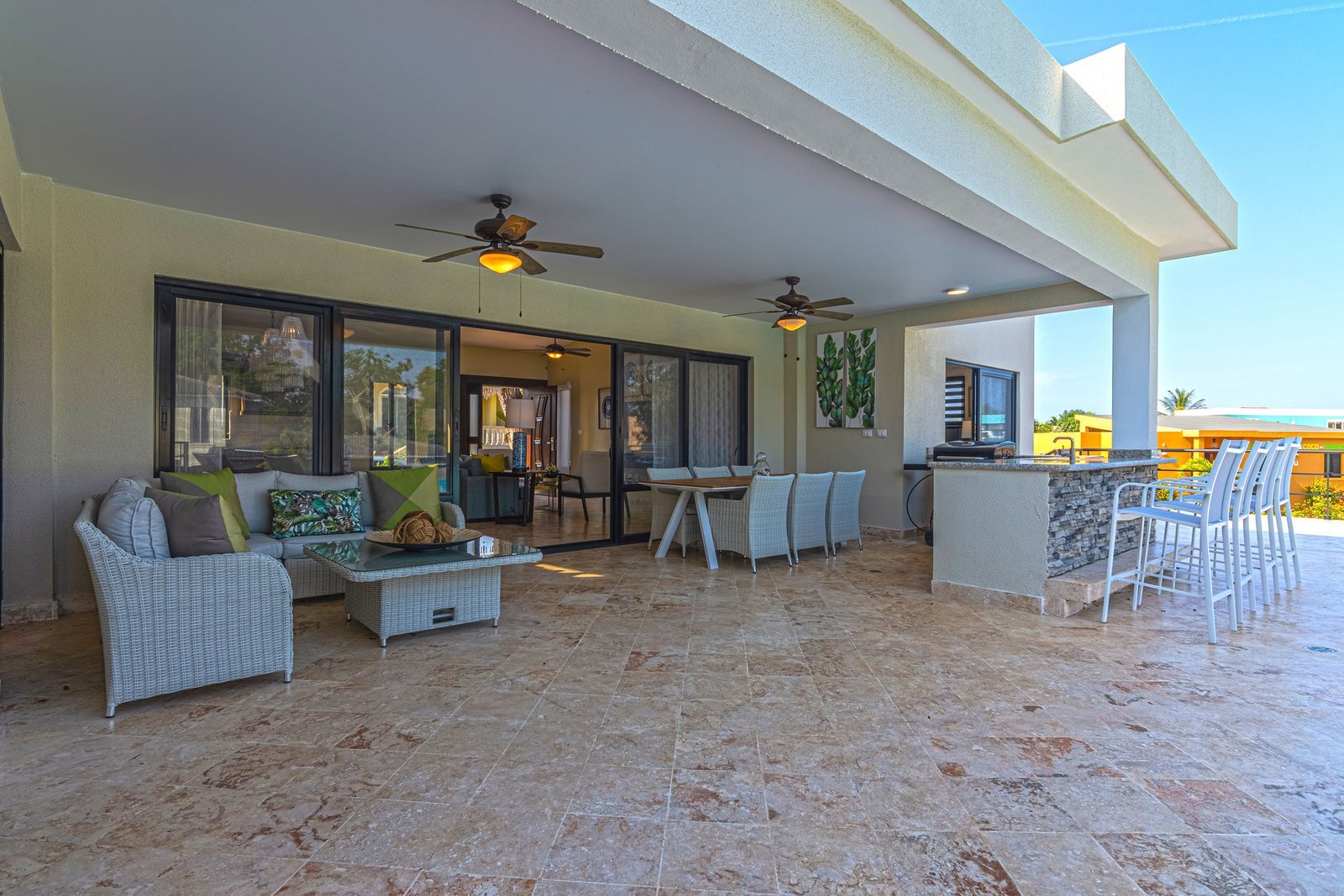
For our next property, I envision a considerably smaller house with two generous covered outdoor living areas.
One would be an outdoor kitchen and dining area, where we could prepare meals, entertain guests, and enjoy time together.
The other would be a comfortable poolside terrace, designed for relaxing, reading, spending time with family, or simply enjoying the surroundings.
I don’t need thousands of square feet of enclosed living space to enjoy those things.
In fact, I believe a smaller home, thoughtfully designed around how we actually live, could offer us a better lifestyle while substantially reducing our monthly expenses.
And that is the real objective.
Not sacrificing comfort, but eliminating expenses that don’t meaningfully improve our lives.
My Next Goal: Becoming More Self-Sufficient
Reducing the cost of maintaining our home is only one part of what I want to accomplish.
My bigger ambition is to create a lifestyle that is increasingly self-sufficient.
Ideally, I would like to reach a point where we could live comfortably on our own property without needing to visit a supermarket for our everyday food.
That may sound ambitious, but living in a tropical climate offers some interesting possibilities.
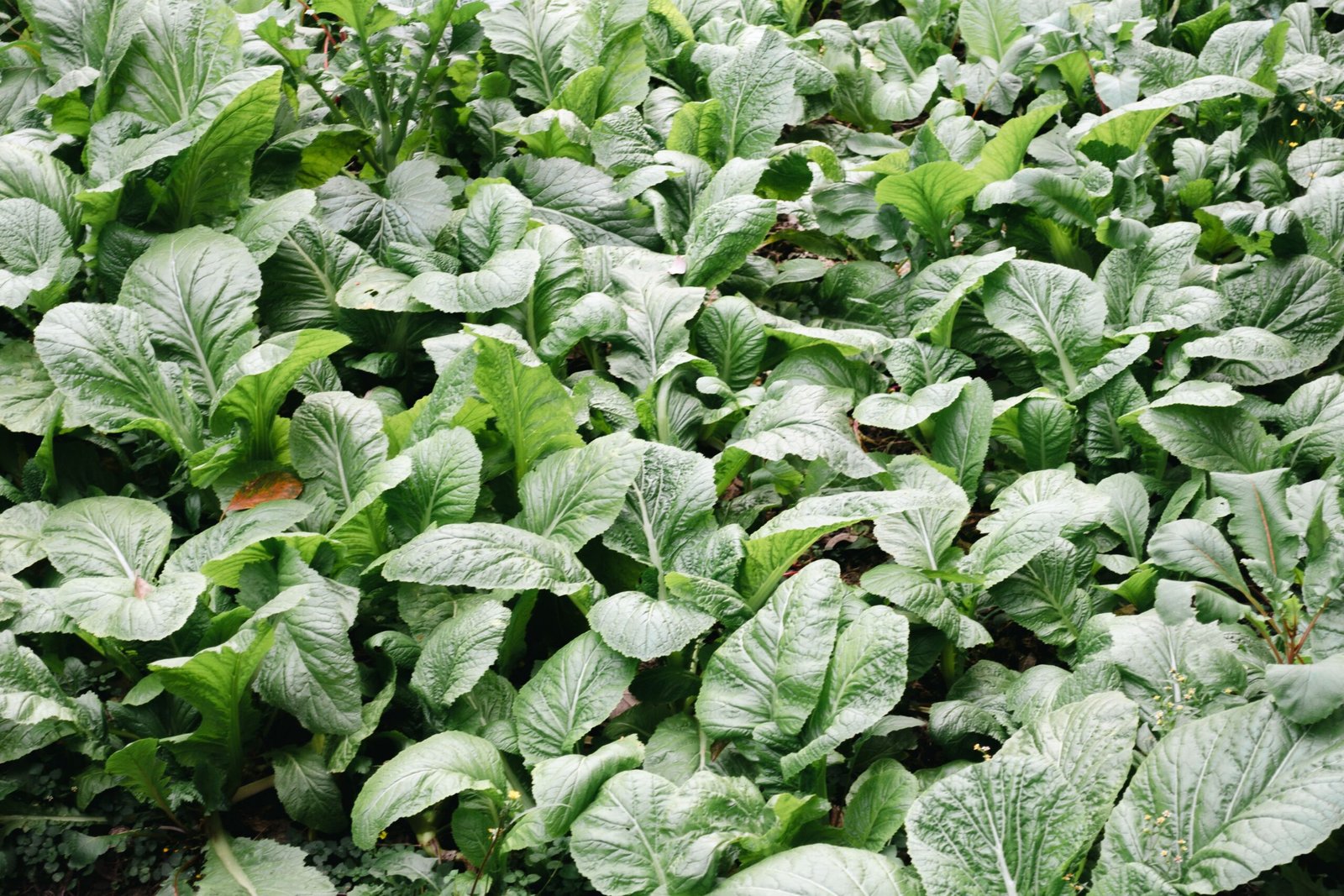
I envision a property with enough land to grow a variety of fruits, vegetables, and herbs.
Bananas, papayas, mangoes, avocados, citrus fruits, and other tropical produce could become part of our everyday food supply, depending on the land and growing conditions.
Vegetable gardens could provide fresh ingredients for our meals.
I would also like to raise chickens for eggs and potentially keep other livestock.
Cows could provide milk for drinking and making products such as yogurt, cheese, and butter, while goats could offer another source of milk and dairy products.
Livestock could also contribute to our meat supply.
Of course, none of this happens without work.
Animals require daily care, proper shelter, feed, veterinary attention, and responsible management. Growing food requires planning, water, soil management, and an understanding of what grows well locally.
Producing safe dairy and meat products also requires appropriate handling and food-safety precautions.
I’m not imagining a life without responsibilities.
I’m imagining a life where those responsibilities contribute directly to our well-being, rather than simply generating more bills.
There’s something deeply satisfying about the idea of walking into your garden to gather vegetables for dinner or collecting fresh eggs in the morning.
Instead of relying entirely on supermarkets and commercial supply chains, we could produce a meaningful portion of what we consume.
And that brings me to another important part of this vision.
Self-Sufficiency Doesn’t Have to Mean Doing Everything Yourself
When people think about living off-grid or becoming self-sufficient, they often imagine an isolated property where one family must produce everything it needs.
That’s not necessarily what I want.
In fact, I think there’s a much better approach.
I would love to live among like-minded neighbors who share the same desire for greater independence and a simpler, healthier lifestyle.
Imagine a small community where different households produce different things.
One family might keep chickens and have more eggs than they need.
Another might raise goats and produce fresh milk and cheese.
Someone else might maintain productive vegetable gardens, while another grows a variety of fruit trees.
Rather than every household needing to raise every type of animal and grow every crop, we could exchange what we produce.
Perhaps I have more avocados than we can eat, while my neighbor has an abundance of eggs or fresh vegetables.
We simply share.
This could reduce the amount of land, equipment, and labor each household needs while giving everyone access to a greater variety of locally produced food.
It could also create a stronger sense of community.
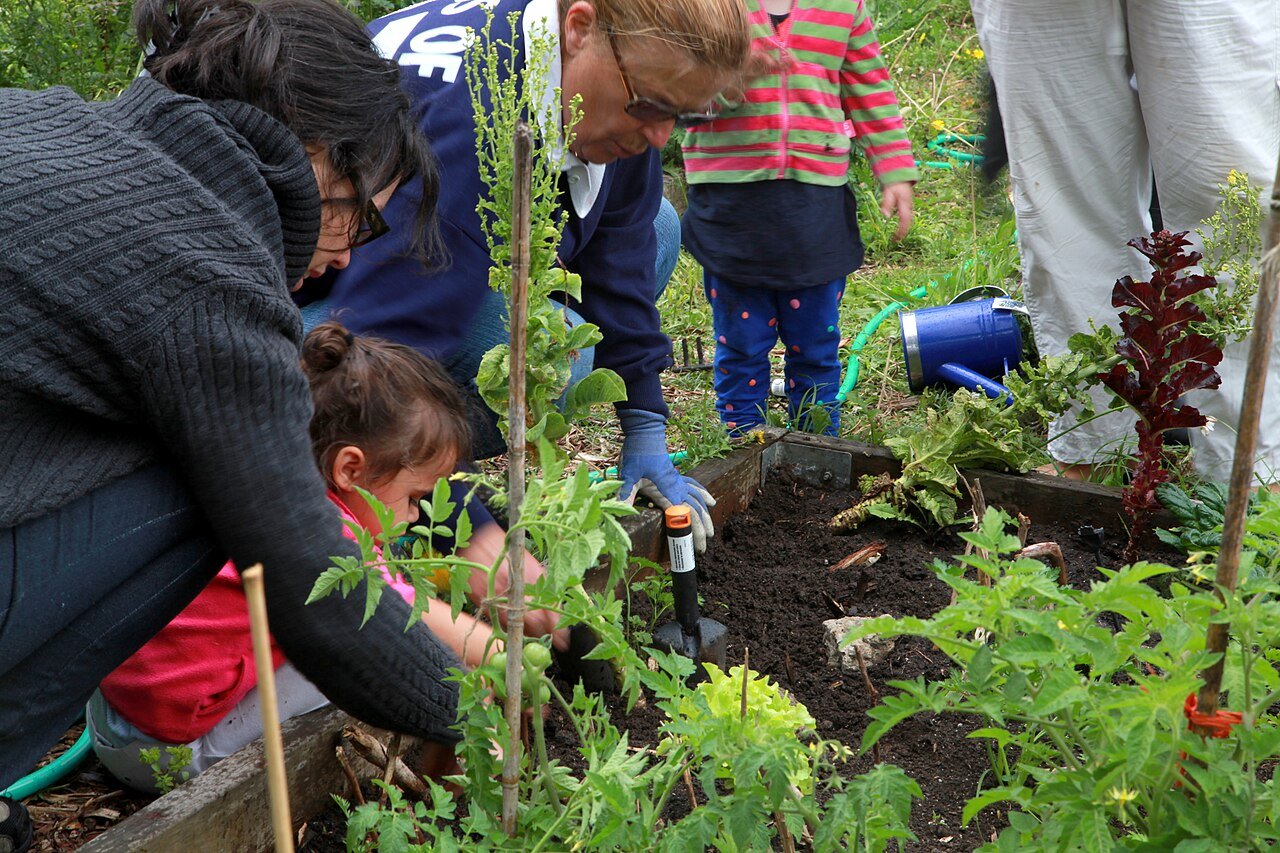

Neighbors would have opportunities to work together, help one another, exchange knowledge, and develop friendships around shared values.
I find that idea particularly appealing.
Because independence doesn’t have to mean isolation.
Sometimes the greatest freedom comes from building relationships with people who are working toward the same goals.
Living Off-Grid and Reducing Monthly Expenses
Food production is one part of self-sufficiency. Energy and water are equally important.
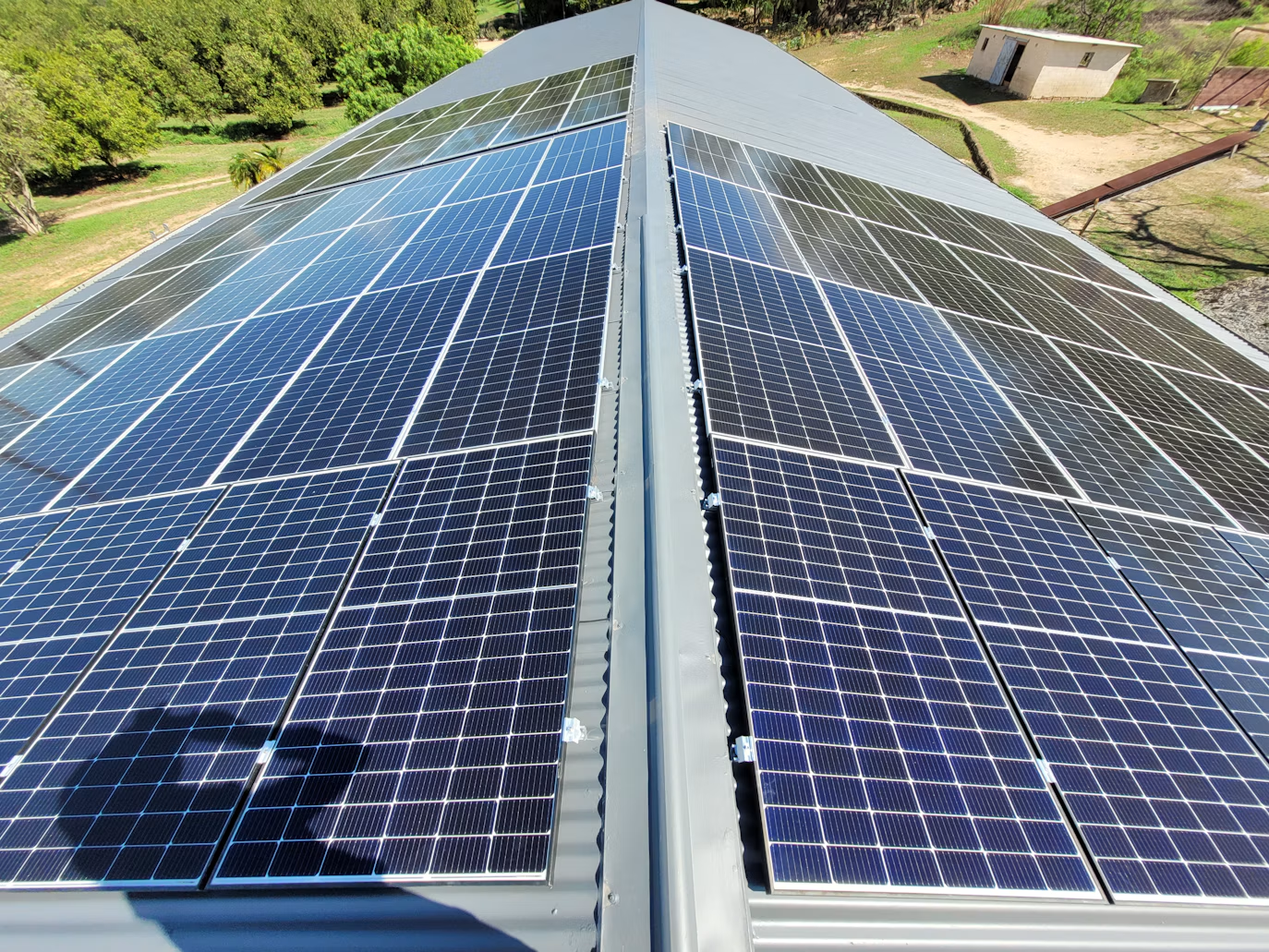
For our next property, I would like to explore the possibility of generating much of our electricity through solar power, potentially with battery storage.
The Dominican Republic has abundant sunshine, making solar energy an option worth investigating.
I’d also want to consider how we could secure a dependable water supply, store water responsibly, and make efficient use of it throughout the property.
The goal would be to reduce our dependence on outside services while maintaining the comforts we’re accustomed to.
But I’m approaching this from a practical perspective.
Solar systems, batteries, water infrastructure, and agricultural improvements all require an initial investment. They also need maintenance and eventual replacement.
I wouldn’t want to spend an unreasonable amount of money simply to claim that we’re living off-grid.
For me, the real question is whether these investments can make our lifestyle more affordable, reliable, and sustainable over the long term.
The objective isn’t to eliminate every expense. It’s to reduce the fixed monthly costs that limit our freedom.
If we can generate some of our electricity, produce a substantial amount of our food, and share resources with neighbors, we could significantly reduce the income required to maintain our lifestyle.
That’s what makes the idea so exciting to me.
Financial Freedom Is About More Than Money
Over the years, I’ve come to see financial freedom differently.
It’s easy to think that becoming financially independent means accumulating enough money to support an expensive lifestyle indefinitely.
But there’s another approach.
What if you simply reduced the amount of money you needed every month?
What if your home required less maintenance, your utility bills were lower, and a meaningful portion of your food came from your own property or your neighbors?
You might discover that living comfortably requires considerably less income than you previously imagined.
And when your monthly obligations decrease, something else happens.
You gain choices.
You have greater flexibility in how much you work, what projects you pursue, and how you spend your time.
For me, that’s far more valuable than owning a larger house or accumulating more possessions.
I still enjoy working, creating things, and pursuing new opportunities.
But I want those activities to be choices, not obligations driven by the cost of maintaining my lifestyle.
More Time for Family and Friends
There’s another dimension to this vision that’s just as important as reducing expenses or becoming self-sufficient.
I want more time to enjoy my family and friends.
One of the wonderful things about living in the Dominican Republic is that we’re surrounded by an environment people travel thousands of miles to experience.
We have warm weather, beautiful beaches, tropical landscapes, and the opportunity to spend much of our lives outdoors.
It’s a wonderful place to welcome family and friends.
I envision our next home as somewhere people genuinely enjoy visiting.
A place where we can prepare meals together in the outdoor kitchen, gather around a large dining table, relax beside the pool, and spend long evenings talking under the stars.
Some of our most enjoyable moments don’t require expensive entertainment or elaborate plans.
They simply require time, good company, and a comfortable place to be together.
And that’s another reason I want to reduce our financial obligations.
The less time I need to spend working simply to cover expenses, the more time I have available for the people who matter most.
There’s little point in creating a beautiful lifestyle if you’re too busy maintaining it to enjoy it.
The Next Chapter of Living Differently
We’re now preparing for another change in our lives.
Our current home is for sale, and I’m looking forward to eventually creating something that better reflects what I’ve learned over the past 14 years.
A smaller home.
More productive land.
Generous outdoor living spaces.
Lower monthly expenses.
Greater independence through food production, solar energy, and practical self-sufficiency.
And ideally, a community of like-minded neighbors who enjoy sharing what they grow and produce.
I don’t know exactly what that property will look like yet, or how long it will take to create everything I envision.
There will undoubtedly be challenges, unexpected expenses, and lessons to learn along the way.
But that’s part of what makes this next chapter interesting.
I’m not trying to create a life without work or responsibility.
I’m trying to create a life where the work I do has more purpose, where my financial obligations are manageable, and where I have greater freedom to enjoy each day.
After 14 years in the Dominican Republic, my definition of success has changed.
It’s no longer about having the biggest house, the most possessions, or the highest income.
It’s about having enough, being more independent, enjoying the people around me, and making the most of the opportunities this beautiful country offers.
Because ultimately, the goal isn’t simply to make a living. It’s to have a life worth living.
Live Differently. Live Better.
Explore More Ways to Live Differently
Discover more personal insights on healthier living, financial freedom, and creating a fulfilling lifestyle in the Dominican Republic.