
HEALTH & ACTIVE LIVING
A Healthier Way of Life
How moving to the Dominican Republic changed my perspective on food, fitness, freedom, and what it really means to live well.
By Richard Regan |
When I decided to leave Canada and move to the Dominican Republic 14 years ago, there were several things I wanted to change about my life.
I wanted greater freedom, a more affordable lifestyle, less stress, and more time to enjoy the things that mattered to me.
But one of my biggest motivations was something much more personal.
I wanted to live a healthier life.
Not simply by changing what I ate or finding more time to exercise, but by creating an environment where healthier choices could become a natural part of everyday living.
After more than a decade in the Dominican Republic, I’ve come to appreciate just how much our surroundings influence the way we live.
And I’ve learned that sometimes the most meaningful improvements come not from doing more, but from doing things differently.
A Different Relationship with Food
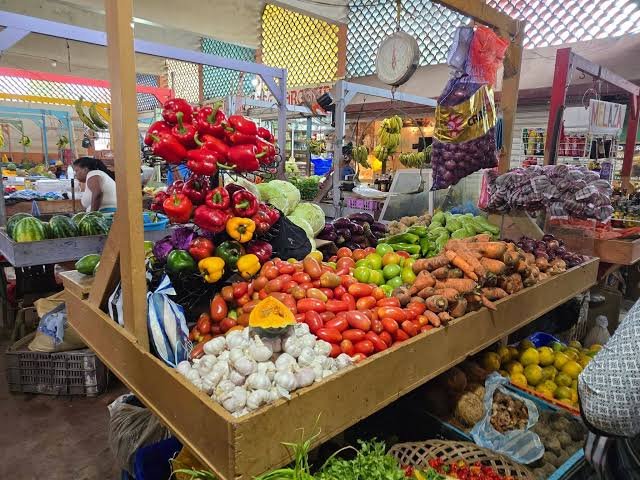
One of the things I appreciate most about living in the Dominican Republic is the availability of fresh, locally grown food.
Visit a neighbourhood fruit and vegetable stand or a traditional Dominican market, and you’ll find an incredible variety of produce: papayas, mangoes, avocados, pineapples, bananas, tomatoes, peppers, fresh herbs, and countless other fruits and vegetables.
Much of this produce is grown within the country, and seasonal foods are often available without travelling thousands of kilometres to reach supermarket shelves.
I enjoy being able to purchase fresh ingredients from local vendors and prepare meals using simple, recognizable foods.
But what interests me even more is the opportunity to learn where my food comes from, how it’s grown, and how the animals that provide our meat and dairy products are raised.
And that’s where I believe the Dominican Republic offers some particularly interesting advantages.
Why the Dominican Republic Is a Leader in Organic Agriculture
Something many people considering a move to the Dominican Republic may not realize is that the country has developed an internationally significant organic agricultural industry.
The Dominican Republic is recognized as a world leader in organic cacao production and has long been a major supplier of organic bananas to international markets.
This success isn’t simply a coincidence.
Certain regions of the country have growing conditions that are particularly favourable for organic agriculture. For example, relatively dry conditions in some banana-producing areas help limit the spread of certain fungal diseases, reducing the need for intensive disease-control measures.
Traditional farming practices, smaller agricultural operations, and growing international demand for organic products have also contributed to the industry’s development.
Of course, organic farming doesn’t mean crops never require pest management, and not everything grown in the Dominican Republic is organic.
But the country’s success in organic agriculture demonstrates that it has the knowledge, growing conditions, and established producers necessary to support this type of food production.
For someone interested in eating more naturally, that’s an encouraging starting point.
Fresh, Organic Food — and Knowing Where It Comes From
One of the benefits I’ve come to appreciate about living in the Dominican Republic is the opportunity to purchase food directly from local farmers and small producers.
And this is particularly interesting here on the North Coast.
Cabarete has attracted a community of people who place considerable importance on healthy eating, outdoor activity, and sustainable living.
Surfing, kiteboarding, yoga, fitness, and other outdoor pursuits are part of the local culture. Alongside that lifestyle, there’s a strong interest in fresh, organically grown food and knowing how it’s produced.
That creates opportunities to purchase organically grown fruits and vegetables, often directly from the farms where they’re produced.
One example is Taíno Farm, located inland from Cabarete. The farm uses permaculture-inspired growing methods, maintains fruit and vegetable gardens, and operates an aquaponics system.
Other local initiatives, including Finca Sol and Cabarete Sostenible, demonstrate that there are independent producers and community projects committed to organic and sustainable agriculture.
And it isn’t just fruits and vegetables.
People interested in free-range chickens, pasture-raised livestock, and grass-fed beef can explore relationships with independent farmers and ask directly about how their animals are raised, what they’re fed, and whether hormones or other treatments are used.
These products aren’t necessarily available in every supermarket, and finding the right suppliers may take some effort.
But that’s part of the opportunity.
Rather than relying entirely on supermarket labels, you can get to know the people producing your food, visit farms where appropriate, and make purchasing decisions based on a better understanding of how your food is grown or raised.
For me, that connection is one of the appealing aspects of living in the Dominican Republic.
Buying Directly From Local Dairy Farmers
Another benefit of living here is the opportunity to purchase fresh dairy products directly from smaller, independent producers.
Two local suppliers I’ve personally purchased from are Victoria Dairy Farm and Daja Land Dairy, both serving the Puerto Plata, Sosúa, and Cabarete area.
These suppliers offer an alternative to relying entirely on supermarket dairy products, with options that include fresh milk, yogurt, cheese, butter, and other traditional dairy products.
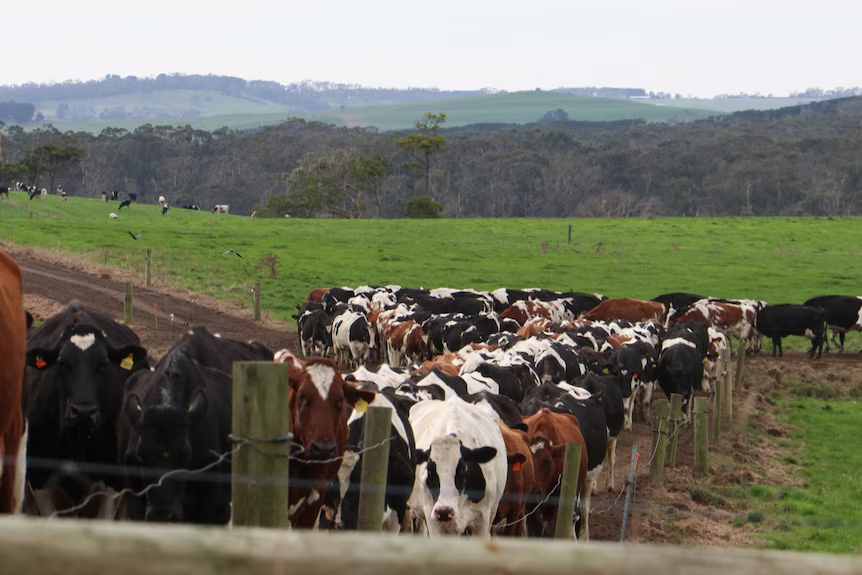
Daja Land Dairy, for example, describes its products as coming from grass-fed cows and being made without preservatives or additives.
One difference that may surprise people moving here from Canada is that raw, unpasteurized milk is available through some local producers.
I appreciate having access to these smaller suppliers and the opportunity to ask questions about how their animals are raised and how their products are made.
Raw milk is a different choice from pasteurized milk and carries additional foodborne illness risks, but its availability illustrates the range of traditional farm products that can be found here.
And you don’t necessarily have to visit the farm to purchase these products. Some suppliers arrange deliveries to communities along the North Coast.
For me, this is another example of how living in the Dominican Republic can change your relationship with food.
Instead of purchasing everything from a large supermarket, you can build relationships with local producers and become more familiar with where your food comes from.
Fresh Food Requires Different Shopping Habits
One practical difference I’ve noticed over the years is that some of the fresh meat and produce I purchase in the Dominican Republic doesn’t seem to last as long as comparable groceries I used to buy in Canada.
I’ve often wondered whether differences in processing, preservatives, or other food-handling practices contribute to this.
There may be several explanations, including the tropical climate, transportation, refrigeration, and how ripe produce is when purchased.
Whatever the reasons, I’ve learned to adjust my shopping habits.
Rather than purchasing large quantities of fresh food to last a week or two, I prefer making smaller, more frequent trips to the grocery store or local produce vendors.
My advice to anyone relocating here is to consider doing the same.
Purchase what you expect to use over the next few days and get into the habit of shopping for fresh ingredients more frequently.
Visit local produce stands, explore farmers’ markets, and take the time to discover independent suppliers. You’ll often find products and varieties that aren’t available in conventional supermarkets.
It’s a relatively small adjustment, but one that has become part of how I approach everyday living in the Caribbean.
And knowing more about where your food comes from is an added benefit.
When Being Active Becomes Part of Everyday Life
One of the biggest differences between life in Canada and life in the Caribbean is the climate.
In Canada, I found that long winters and periods of cold, wet weather could make outdoor activities much less appealing.
Here, warm temperatures throughout the year create opportunities to spend time outdoors almost every day.
But I’ve also learned something important: rather than trying to maintain the same routines you followed in Canada, you can adapt your activities to the environment.
For me, the perfect example is surfing.
I surf every day, and it’s become my primary form of exercise.
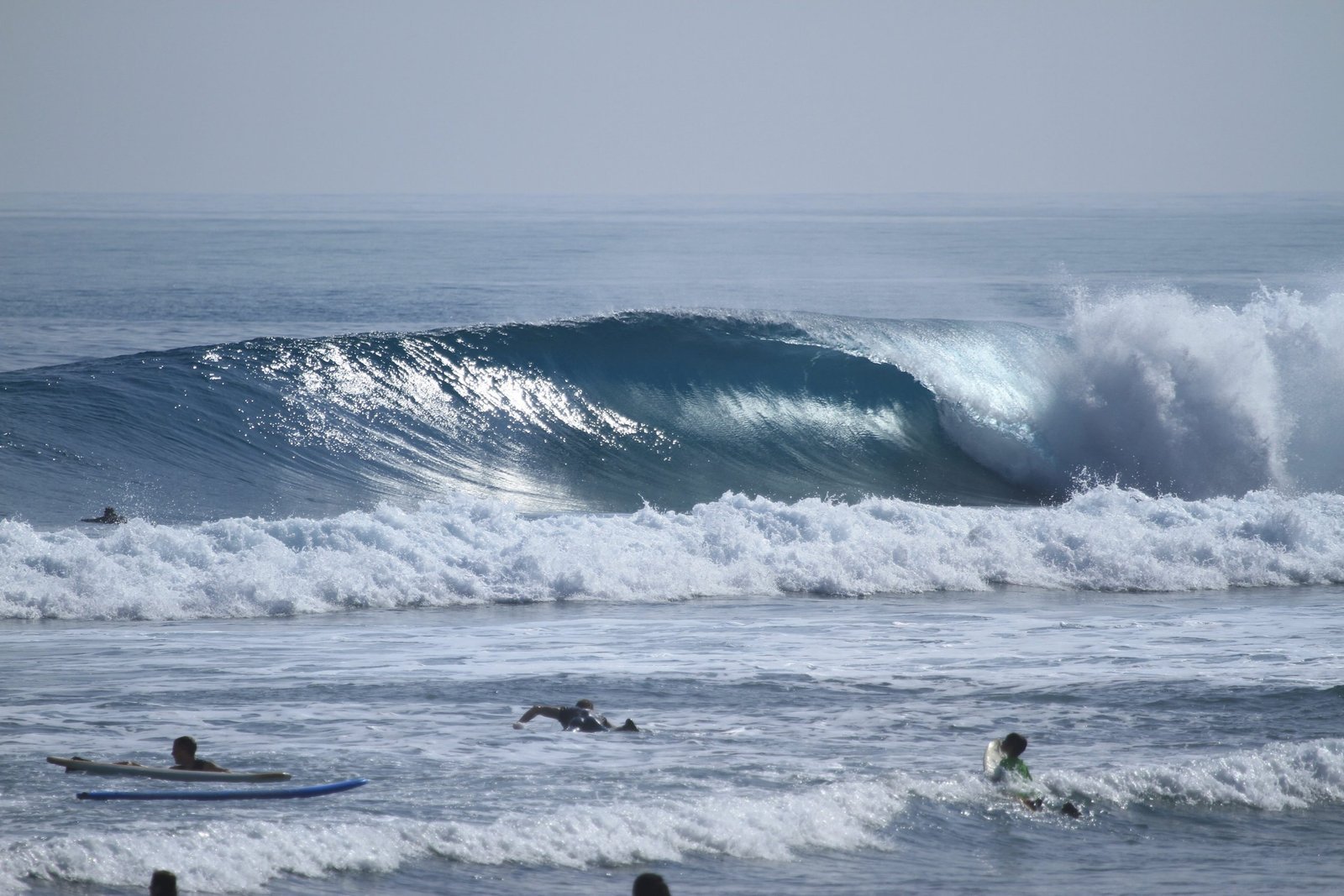
Instead of going to a gym and working out in the tropical heat, I can head into the ocean, enjoy the waves, and get an excellent workout while spending much of my time in the water.
Surfing challenges my balance, strength, coordination, and endurance. But the greatest benefit is that I genuinely enjoy doing it.
I don’t have to motivate myself to exercise. I look forward to it.
And surfing is only one possibility.
Swimming, paddleboarding, snorkelling, and other water activities offer enjoyable ways to remain physically active while taking advantage of the Caribbean environment.
That’s one of the lessons I’ve learned from living here.
You don’t have to fight the climate. You can adapt your lifestyle to it.
When physical activity becomes something you love doing rather than another obligation on your schedule, staying active becomes a natural part of everyday life.
The Ocean Is More Than a Beautiful View
Living on the North Coast of the Dominican Republic provides access to something I consider particularly valuable: the ocean.
Cabarete is internationally known for activities such as surfing, kiteboarding, and windsurfing. There are also opportunities for swimming, paddleboarding, snorkelling, and simply enjoying long walks along the coast.
But the ocean offers more than recreation and physical exercise.
There’s something special about being close to the water, enjoying the fresh air, and spending time in a natural environment.
For me, it’s an opportunity to disconnect from the pressures of everyday life and enjoy the moment.
And that’s an important part of the lifestyle I’ve come to appreciate here.
The ocean isn’t simply scenery to admire from a terrace.
It becomes part of how you live.
Less Stress, More Time to Actually Live
Health isn’t just about nutrition and exercise.
It’s also about how we spend our time, the pressures we place on ourselves, and whether our daily routines support the kind of life we want.
Before leaving Canada, my wife and I were accustomed to working extremely long days, often 12 or 13 hours.
Like many people, we were working hard to maintain a lifestyle that left relatively little time to enjoy it.
Moving to the Dominican Republic gave us an opportunity to reconsider those priorities.
I’ve learned that it is possible to live comfortably with fewer expenses and, in some cases, fewer material possessions.
That doesn’t mean life here is without challenges.
Living in another country brings different responsibilities, frustrations, and uncertainties. There are cultural differences to navigate, unfamiliar systems to understand, and practical adjustments that take time.
But it can provide an opportunity to rethink the relationship between earning money, spending money, and enjoying life.
For me, reducing unnecessary financial pressure and creating more time for family, recreation, and personal interests are essential parts of living well.
A Home Designed Around Living, Not Just Square Footage
One of the more surprising lessons I’ve learned has to do with the way we design and use our homes.
When we first purchased our property in the Dominican Republic, we bought a large six-bedroom house primarily as an investment.
Over time, I realized that in a tropical climate, you simply don’t need the same amount of indoor living space that you might want in Canada.
So much of our daily life takes place outdoors.
Covered terraces become living rooms. Outdoor kitchens and dining areas become gathering places. A shaded poolside lounge can be more enjoyable than an oversized indoor family room.
Today, if I were designing my ideal home, I would choose a smaller, more manageable house with generous covered outdoor spaces.
I would want two main outdoor living areas: one designed around cooking and dining, and another beside the pool where we could relax and enjoy the surroundings.
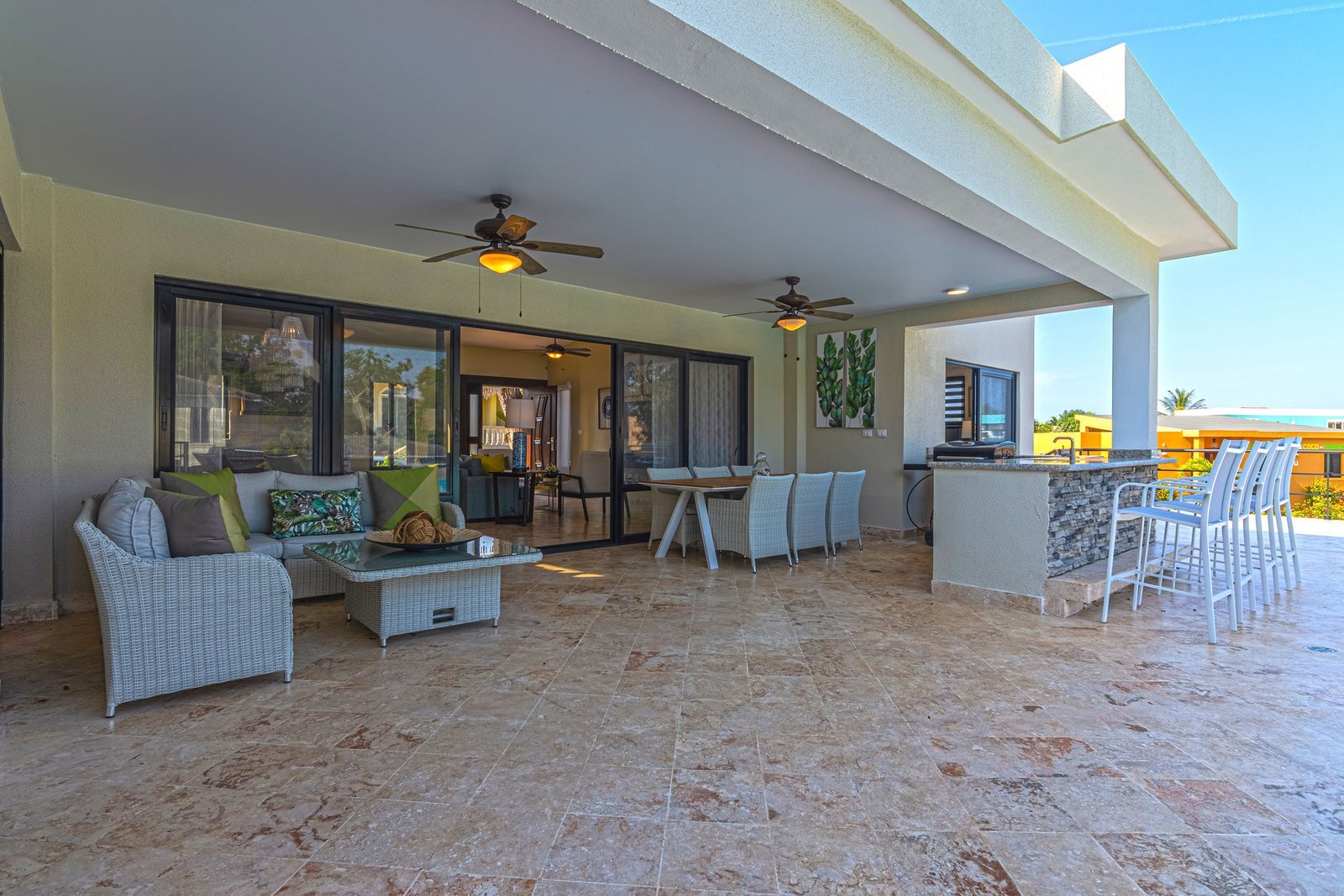
Not only could this reduce construction and maintenance costs, but it would better reflect how I actually want to live.
That’s another example of how making different choices can support both financial freedom and a more enjoyable lifestyle.
Sometimes living better isn’t about having more.
It’s about understanding what you actually need.
Healthier Living Is About More Than Geography
I don’t believe that simply moving to the Dominican Republic automatically makes someone healthier.
You can develop unhealthy habits anywhere, just as you can build an exceptionally healthy lifestyle in Canada.
What matters is how you use the opportunities available to you.
The Dominican Republic offers a combination of warm weather, outdoor recreation, fresh local foods, access to independent farmers, and communities where active living is part of the culture.
But the choices are still ours to make.
We need to pay attention to what we eat, remain physically active, manage stress, and create routines that support our long-term well-being.
For me, living here has made many of those choices more enjoyable and more practical.
And that is perhaps the greatest benefit of all.
Creating a Life That Supports Your Health
Looking back on my decision to leave Canada, I realize that I wasn’t simply searching for a warmer place to live.
I was looking for a different way of life.
One where I could spend more time outdoors, enjoy fresh food, remain physically active, experience less financial pressure, and have more freedom to pursue the things that matter to me.
Fourteen years later, I believe making that move was one of the best decisions of my life.
It hasn’t been perfect, and it certainly hasn’t eliminated every challenge.
But it has given me a different perspective on what it means to live well.
Because ultimately, the goal isn’t simply to make a living. It’s to have a life worth living.
Live Differently. Live Better.
Thinking About a Healthier Life in the Dominican Republic?
If you’re considering a move to the Dominican Republic and wondering what everyday life could realistically look like, I invite you to explore my other insights on relocation, financial freedom, property ownership, and Caribbean living.
My goal is to share what I’ve learned through personal experience so you can make informed decisions about the life you want to create.