
RELOCATING & RETIRING
14 Years in the Dominican Republic: What I Learned About Living Differently
From leaving Canada to embracing Caribbean life, the lessons I’ve learned about freedom, cultural adjustment, relationships, and creating a lifestyle worth living.
By Richard Regan |
Why I Decided to Leave Canada
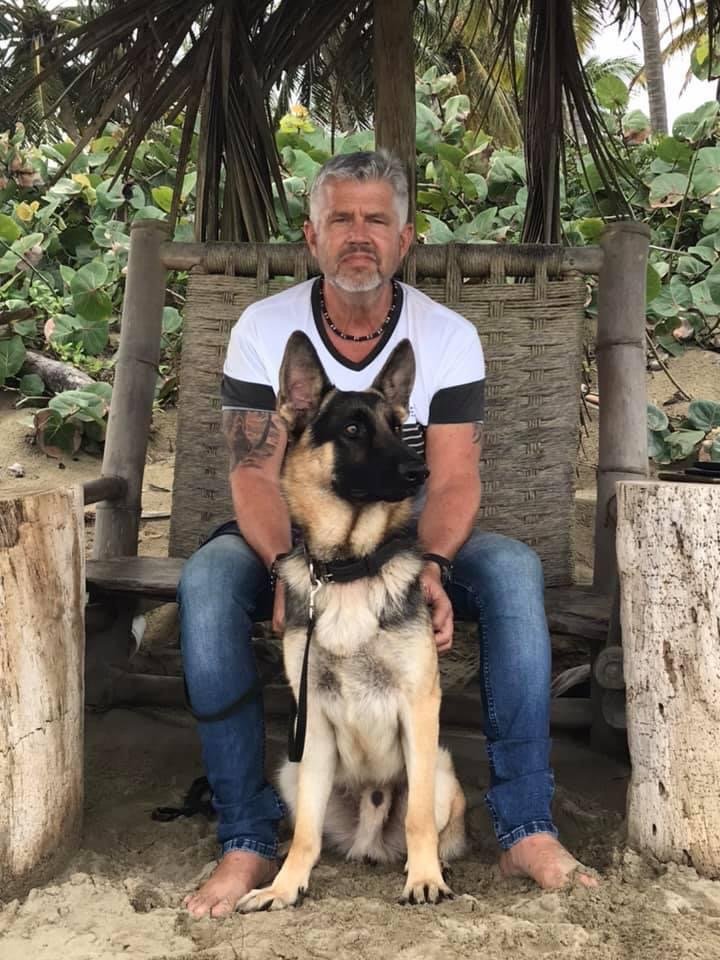
Fourteen years ago, I made a decision that would fundamentally change my life. I left Canada and moved to the Dominican Republic. It wasn’t an impulsive decision, and it wasn’t simply about escaping Canadian winters or moving somewhere with beautiful beaches.
I had reached a point in my life where I was questioning the lifestyle my wife and I had created. We were working long hours, often 12 or 13 hours a day, and much of our time seemed to revolve around earning enough money to support our expenses and responsibilities. We had built a life that, by conventional standards, might have been considered successful.
But I began asking myself a different question.
Was I working to enjoy my life, or was my life becoming increasingly consumed by work?
I wanted greater freedom over how I spent my time. I wanted to live somewhere warm, where I could enjoy the outdoors throughout the year, spend time at the beach, and pursue activities I genuinely enjoyed. I also wanted to reduce the financial pressures and obligations that seemed to accompany everyday life in Canada.
The Dominican Republic offered the possibility of something different. And after carefully considering the decision, I chose to make the move.
Looking back today, I can say without hesitation that it was one of the best decisions I’ve ever made.
I Didn’t Move Without Knowing What to Expect
One of the most important things I did before relocating was take the time to understand the country I was moving to. I had visited the Dominican Republic many times before making it my permanent home. Those visits gave me an opportunity to experience the climate, meet people, explore different areas, and develop an appreciation for the lifestyle.
I understood that the Dominican Republic was not Canada. I knew there would be cultural differences, unfamiliar ways of doing things, and adjustments to make. But I also recognized that those differences were part of what made the country appealing to me.
I wasn’t looking to recreate my Canadian lifestyle in a tropical setting. I was looking for a genuinely different way of living. That preparation made the transition much easier.
Of course, visiting a country and actually living there are two different experiences. You can spend several wonderful vacations somewhere without ever encountering the challenges of maintaining a home, dealing with contractors, or navigating everyday business matters.
But because I had taken the time to evaluate the move, I never found myself questioning whether I had made the right decision. There were adjustments, certainly. There were lessons to learn. But I never regretted leaving Canada.
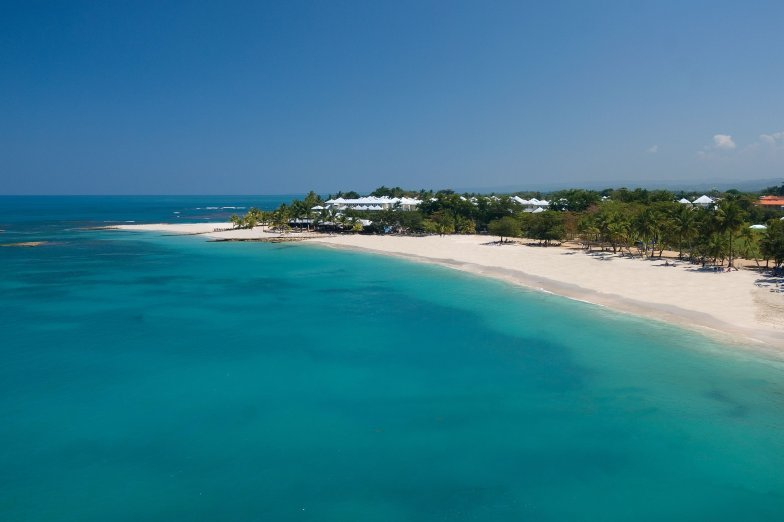
A successful relocation begins long before you pack your belongings. It begins with understanding what you’re moving toward, not simply what you’re leaving behind.
Learning to Live on Dominican Time
Perhaps the biggest adjustment I experienced after relocating was adapting to the culture and the slower, more relaxed pace of life. Coming from Canada, I was accustomed to schedules, punctuality, and the expectation that when someone committed to doing something, they would follow through. In the Dominican Republic, I encountered a different approach to time and commitments.
Meetings didn’t always begin when scheduled. Workers sometimes failed to arrive when promised. Projects could take longer than expected, and the finished work didn’t always meet the standards I had been accustomed to in North America.
Then there was what many people refer to as the mañana attitude — the idea that something can always wait until tomorrow.
Initially, I found some of these differences frustrating. And there was a certain irony in that. One of the reasons I had left Canada was that I wanted to escape the relentless pace of life. Yet here I was, struggling to adjust to the more relaxed lifestyle I had come here to enjoy.
Over time, however, my perspective changed. I learned to understand what to expect, to allow greater flexibility in my plans, and to recognize that not everything needed to happen according to the schedule I would have expected in Canada.
Fourteen years later, those everyday differences no longer frustrate me. I’ve become much more accepting of the Dominican pace of life, and I’ve learned how to enjoy its advantages without abandoning my own expectations. I still value punctuality, accountability, and quality workmanship. But I’ve also learned that adapting to a different culture doesn’t mean expecting everyone to change to accommodate me.
Living differently isn’t about expecting another country to operate like the one you left. It’s about learning how to thrive in the country you’ve chosen to call home.
The Importance of Building the Right Relationships
One of the most valuable lessons I’ve learned over the years is the importance of developing reliable relationships. When you’re new to a country, finding trustworthy workers, knowledgeable professionals, and dependable business associates can take time. You don’t necessarily know whom to call when something needs repairing, which contractors consistently deliver quality work, or which professionals can help you navigate unfamiliar situations. That was certainly part of my learning experience.
Over the years, I’ve developed relationships with people who take pride in their work, honour their commitments, and understand the standards I expect. Those connections have become incredibly valuable.
When you find a reliable electrician, plumber, contractor, mechanic, or other service provider, you quickly learn to appreciate that relationship. The same applies to business associates and professionals. Having people you know and trust makes everyday life considerably easier.
It also changes your experience of living in the country. Instead of becoming frustrated when something needs attention, you know whom to contact. Instead of trying to navigate every situation on your own, you have a network of people who can help.
And the relationships extend beyond simply getting things done. Over time, you develop friendships, connections, and a sense of belonging. You stop feeling like someone visiting another country and begin feeling genuinely at home.
For me, building those relationships has been one of the most important parts of adapting successfully to life in the Dominican Republic.
The Lifestyle Was Even Better Than I Expected
Although I had visited the Dominican Republic many times before relocating, actually living here revealed benefits I hadn’t fully appreciated. One of the biggest was how much more time I could spend outdoors.
In Canada, the weather dictated so much of what we could do. For much of the year, outdoor activities required planning around cold temperatures, rain, snow, or short daylight hours.
Here, warm weather is part of everyday life. I can go surfing, enjoy the beach, spend time outside, or simply relax on a covered terrace throughout the year. Surfing has become an important part of my daily routine and one of my favourite ways to stay active.
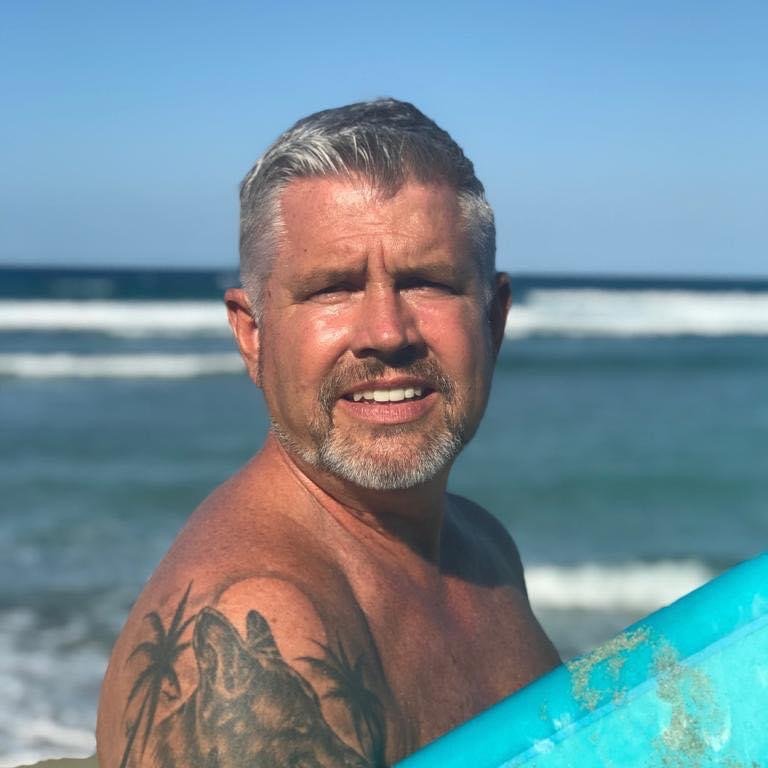
But it’s not just about the activities themselves. It’s about how naturally they fit into everyday life. You don’t have to wait for summer or plan an expensive vacation to enjoy the things that make life pleasurable. They’re available right outside your door.
I’ve also come to appreciate the access to fresh local food, tropical fruits, and the opportunity to buy directly from farmers and producers. These are some of the experiences that inspired my article A Healthier Way of Life.
And over time, I’ve realized that the Dominican Republic offers much more than beautiful scenery. It offers the opportunity to organize your daily life around experiences and priorities that might have been much harder to enjoy consistently in Canada.
A Beautiful Home Doesn’t Have to Be a Big Home
Another important lesson came from owning our home. When we first moved to the Dominican Republic, we purchased a large six-bedroom property that was originally intended as an investment. We ended up making it our family home. It’s a beautiful property, and we’ve enjoyed living there.
But over time, I’ve come to appreciate that owning a large home also means maintaining a large home. There are ongoing expenses, repairs, landscaping, pool maintenance, and all the other responsibilities associated with a property of that size. More importantly, I began to question how much of that indoor living space we actually needed.
Living in the Caribbean changes the way you use a home. In Canada, large indoor spaces can be valuable because so much of life takes place inside during the colder months. In the Dominican Republic, much of our daily living happens outdoors. Covered terraces, outdoor dining areas, gardens, and poolside spaces become natural extensions of the home.
For our next property, I would prefer a smaller house with generous covered outdoor living areas. One terrace could accommodate an outdoor kitchen and dining space, while another could provide a comfortable place to relax beside the pool.
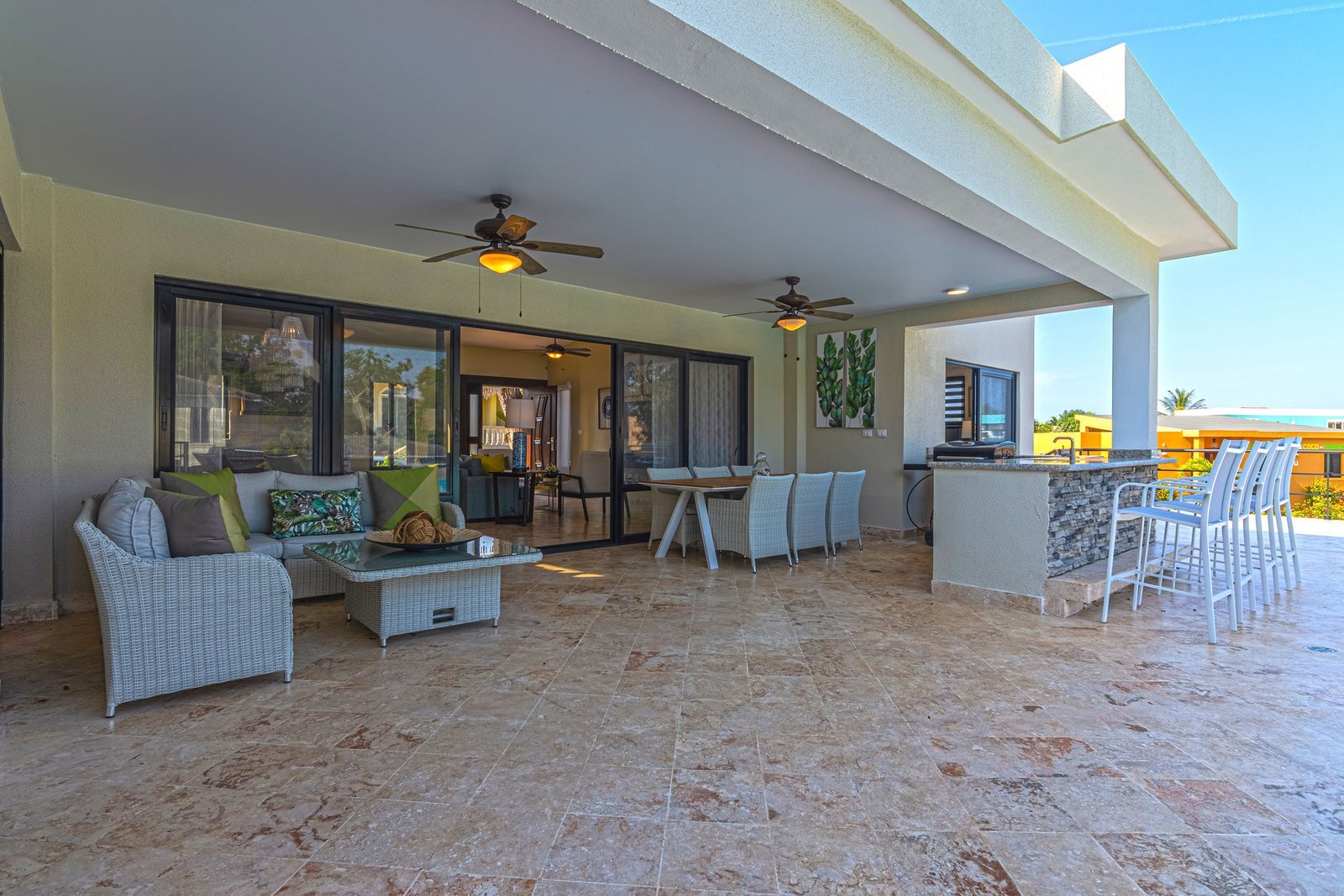
The objective isn’t to sacrifice comfort. It’s to create a home that better supports the lifestyle we actually enjoy, without carrying unnecessary monthly expenses.
I’ve also learned that some of the most desirable-looking properties can bring unexpected responsibilities. Oceanfront homes, for example, can be wonderful places to live, but direct exposure to salt air, wind, and coastal conditions can increase maintenance requirements. Privacy can also be different when your property borders a public beach. These aren’t reasons to avoid oceanfront property. They’re simply considerations worth understanding before making a purchase.
After 14 years, I’ve learned that choosing the right home is less about how impressive it looks and more about how well it fits the life you want to lead.
Financial Freedom Is About Reducing What You Need
When I originally moved to the Dominican Republic, one of my goals was to reduce my cost of living. That remains important to me today. But my understanding of financial freedom has evolved.
I’ve come to realize that there are two ways to improve your financial position. You can continually work toward earning more money. Or you can thoughtfully reduce the amount of money you need to maintain a comfortable lifestyle.
Of course, there’s nothing wrong with earning more. But if every increase in income is accompanied by higher expenses, larger commitments, and additional responsibilities, you may not actually gain much freedom.
That’s why I’m now focused on reducing our monthly fixed costs and creating a more self-sufficient lifestyle. I would like our next property to provide opportunities to grow fruits and vegetables, produce some of our own food, and potentially generate electricity through solar energy. I also envision living near like-minded neighbours who might share what they grow and produce.
The idea isn’t to abandon modern comforts or live without responsibilities. It’s to reduce our dependence on recurring expenses and create greater flexibility in how we spend our time. I explored that vision in more detail in my article Living Differently: My Vision for Financial Freedom and Self-Sufficient Living.
I don’t want to spend the rest of my life working to support the things I own. I want the things I own to support the life I want to live.
That has become one of the guiding principles for the next chapter of my life.
Helping Others Make the Transition
My experience in the Dominican Republic hasn’t been limited to living here. Shortly after relocating, I became involved in the local real estate industry, initially serving as CFO at Casa Linda. I later established my own real estate company, Wildefire Properties, and have now spent approximately 13 years working in Dominican Republic real estate.
Over those years, I’ve had the opportunity to help clients explore properties, understand different communities, and navigate the process of purchasing real estate in a country that may be unfamiliar to them.
That experience has reinforced something I learned from my own relocation. Buying a property is only one part of moving to another country. Understanding the lifestyle, culture, infrastructure, local services, and practical realities of everyday living is just as important.
A beautiful property in the wrong location, or one that creates more responsibilities than you anticipated, may not provide the lifestyle you were hoping to achieve. That’s why I believe prospective buyers should take the time to understand how they actually want to live before deciding what kind of property to purchase.
Do they want to be within walking distance of restaurants and the beach? Would they prefer a quieter rural setting with more land and privacy?
Are they looking for a low-maintenance condominium or a home with space for gardens, animals, and outdoor living? How important are convenience, community, maintenance costs, and access to services?
There isn’t one right answer for everyone. The right decision depends on the lifestyle each person wants to create. Having made the move myself and spent years helping others navigate the local property market, I’ve learned that these questions deserve just as much attention as the property itself.
What I Would Tell Someone Considering the Move Today
If someone asked me whether they should relocate to the Dominican Republic, I wouldn’t simply tell them how wonderful the weather is or how beautiful the beaches are. I’d encourage them to take the time to understand the country.
Visit more than once if possible. Explore different communities. Spend time here outside the usual vacation experience. Talk with people who have lived here for years, not just people who have recently arrived.
Understand the cultural differences and consider whether you’re genuinely comfortable adapting to them. Research the practical aspects of daily life, including healthcare, transportation, property ownership, residency requirements, and the cost of maintaining the lifestyle you want.
And perhaps most importantly, don’t assume that the lifestyle you had in Canada is the one you should recreate here. You may discover that you need much less than you thought to live comfortably and enjoy life. You may also discover that some of the things you considered essential back home matter far less once you’re living in a warm climate with easy access to outdoor activities.
I would encourage people to approach relocation with an open mind and realistic expectations. The Dominican Republic isn’t perfect. No country is. There will be cultural differences, inconveniences, and situations that require patience and flexibility.
But for someone whose priorities align with the lifestyle available here, the rewards can be extraordinary.
Fourteen Years Later, I Would Make the Same Decision
Looking back, I can honestly say that moving to the Dominican Republic exceeded my expectations. I haven’t regretted the decision, and I haven’t spent the past 14 years wishing I’d stayed in Canada. That doesn’t mean every day has been perfect or that I haven’t faced challenges. It means the life I’ve been able to create here is much closer to the life I wanted when I made the decision to leave.
I’ve learned to appreciate a slower pace. I’ve built relationships with people I trust. I’ve discovered how much I enjoy being outdoors throughout the year.
I’ve learned that a larger home doesn’t necessarily create a better lifestyle. And I’ve come to understand that financial freedom is often less about how much money you earn and more about how much you need.
Perhaps the biggest lesson is that living differently requires more than changing your address. It requires being willing to reconsider your priorities, adjust your expectations, and make choices that genuinely support the life you want to live.
My own journey is still evolving. We’re preparing for another chapter, one focused on reducing our fixed expenses, becoming more self-sufficient, and creating a home where we can enjoy more time with family and friends.
But the philosophy remains the same as it was when I first left Canada. I wanted more freedom, more time, and a better quality of life. Fourteen years later, those things still matter most.
Because ultimately, the goal isn’t simply to make a living. It’s to have a life worth living.
Live Differently. Live Better.
Thinking About Living Differently?
Let’s talk about your goals, your questions, and the life you want to create in the Dominican Republic.