
CARIBBEAN LIFESTYLE
Beyond the Beaches: What Everyday Life in the Dominican Republic Is Really Like
After 14 years of living on the Dominican Republic’s North Coast, I’ve discovered that the greatest rewards of Caribbean life aren’t necessarily the things you experience on vacation. They’re the simple pleasures that become part of everyday life.
By Richard Regan |
It’s the Everyday Moments That Make the Difference
When people imagine living in the Caribbean, they often picture beautiful beaches, tropical weather, and afternoons spent relaxing beside a swimming pool.
And while those things are certainly part of the appeal, they’re not what I appreciate most about living in the Dominican Republic.
For me, it’s the freedom to organize my day around the things that genuinely matter.
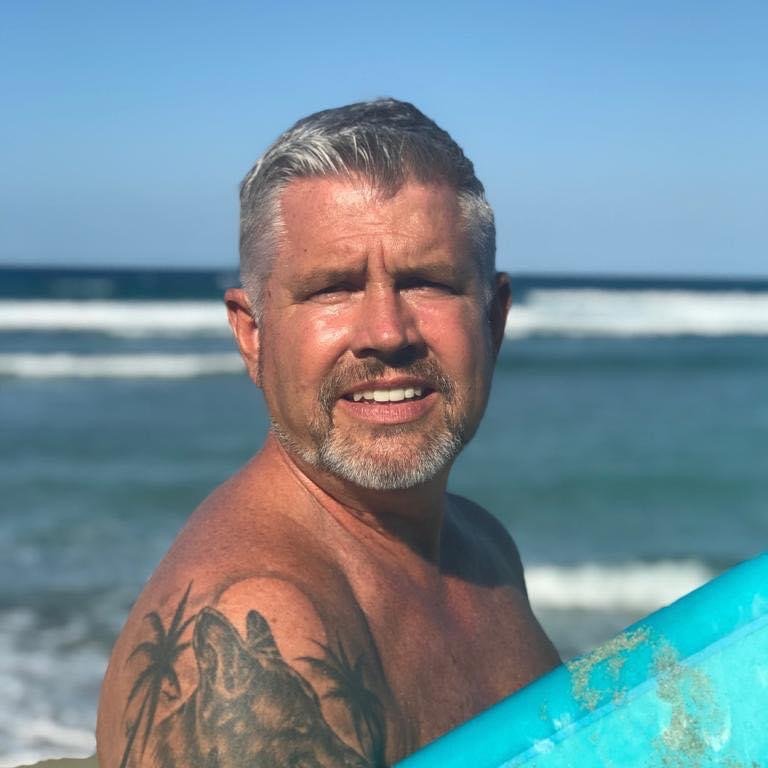
Most mornings, I start my day surfing. There’s something special about beginning the morning in the ocean, enjoying the warm weather, getting some exercise, and spending time doing something I love.
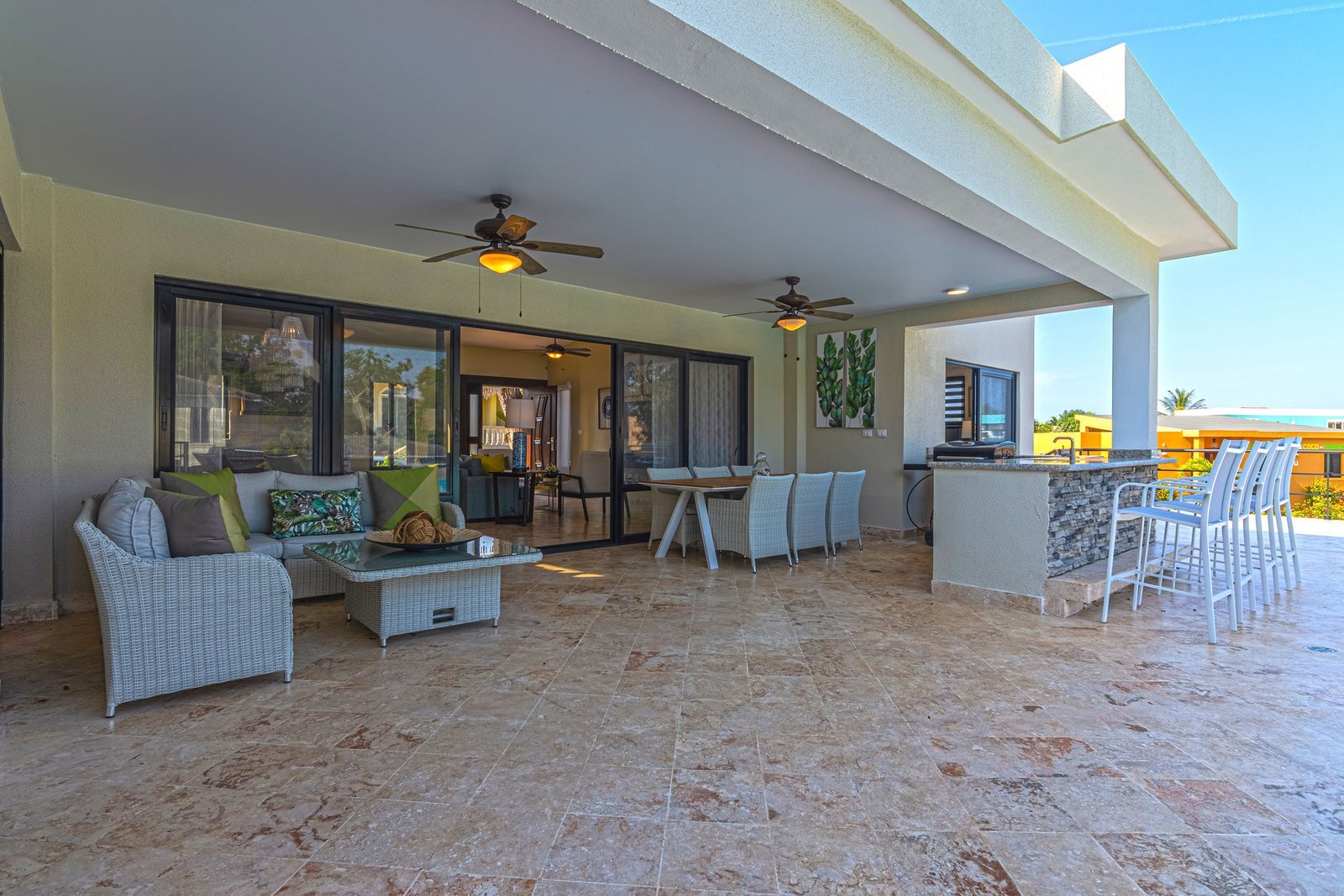
After surfing, I return home, feed our dogs, and have breakfast outside on our covered terrace overlooking the swimming pool.
In fact, we eat virtually all our meals outdoors.
One of the things I’ve come to appreciate about living in a tropical climate is that outdoor living isn’t something reserved for weekends or summer vacations. It’s simply part of everyday life.
If I were designing our home again, there’s one thing I would definitely change: I would include a proper outdoor kitchen.
We already enjoy eating outside, and it would make much more sense to prepare our meals there as well, rather than cooking indoors and carrying everything out to the terrace.
After breakfast, I begin my workday.
I still have a business to operate, clients to assist, and responsibilities to manage. Living in the Dominican Republic hasn’t eliminated the need to work.
What it has changed is how work fits into the rest of my life.
Instead of allowing my work to consume nearly every waking hour, I’ve made a conscious effort to create time for the activities, relationships, and experiences that make life meaningful.
And that’s something I value enormously.
Making Time for What Matters
One of my priorities is spending time with my family every evening.
Regardless of what I’ve been working on during the day, I try to set aside a couple of hours when we can be together.
We normally have dinner together and spend time talking and socializing afterward.
It’s a simple routine, but an important one.
I’ve come to believe that having the freedom to spend meaningful time with the people you love is one of the greatest measures of a successful lifestyle.
Another important part of my routine is taking time for reflection.
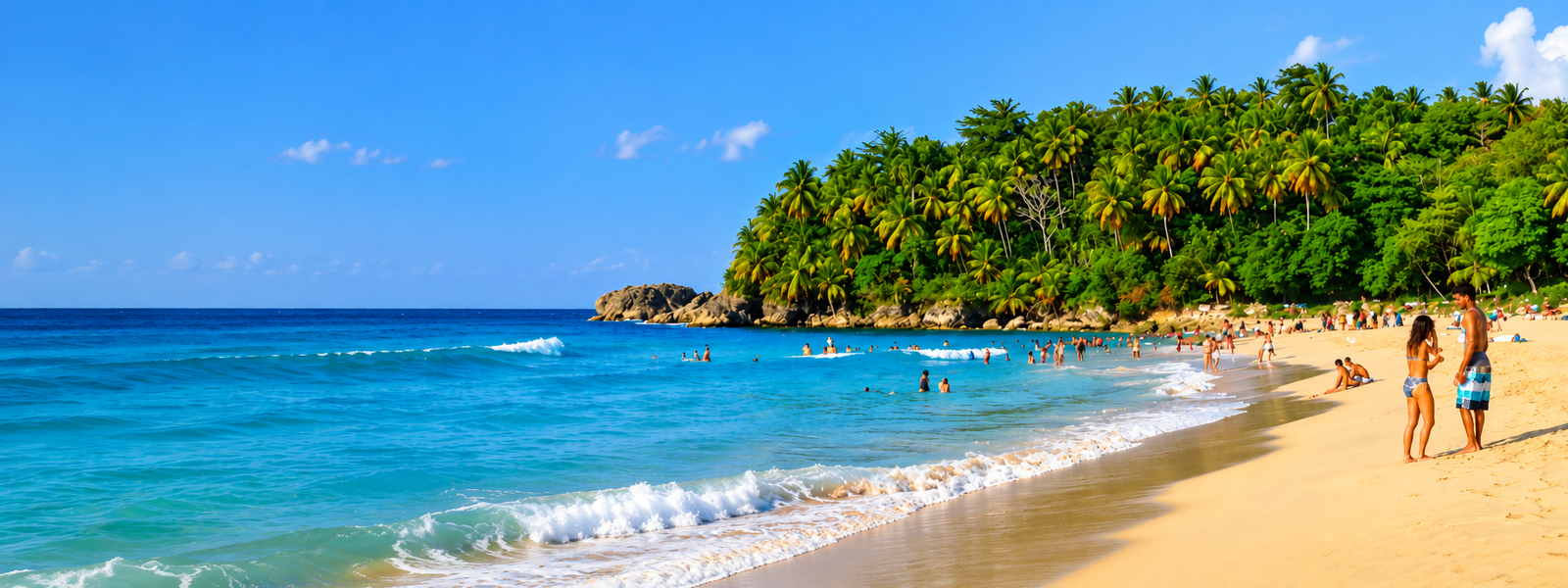
Most days, I drive down to the beach, park my car overlooking the ocean, and spend some quiet time meditating and praying.
There’s something about looking out over the water, away from the demands and distractions of everyday life, that gives me a special sense of connection.
It’s become a meaningful part of my day.
These moments don’t cost anything, and they don’t require elaborate planning.
But they contribute enormously to my sense of well-being.
That’s one of the things I’ve learned about living differently: some of the most valuable experiences in life are also the simplest.
Rediscovering the Pleasure of Fresh Food
One of the everyday habits I’ve developed since moving to the Dominican Republic is shopping for fresh food much more frequently.
When I lived in Canada, I typically visited the supermarket once or twice a week. I’d purchase what we needed for several days and organize our meals around those groceries.
Here, I do things differently.
Most evenings, I stop at the supermarket to pick up fresh fruits, vegetables, and whatever else we need for our meals.
It’s become part of my daily routine, and I genuinely enjoy it.
One of the things I’ve noticed about the fruits and vegetables available here is how much flavour they can have, particularly when they’re fresh and in season.
To me, a ripe tropical fruit or freshly harvested vegetable often tastes noticeably better than produce that’s been sitting in the refrigerator for several days.
And because fresh food is readily available, I don’t feel the same need to purchase everything for the entire week.
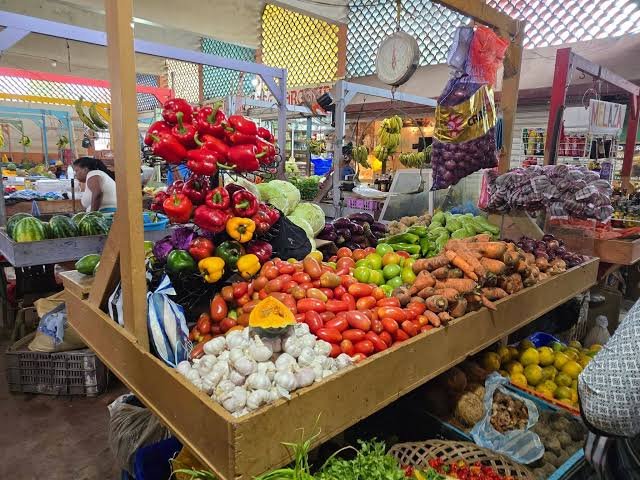
Saturday mornings offer another experience I particularly enjoy.
I normally visit the market at Sea Horse Ranch, where I can find organic produce and a selection of naturally prepared foods.
I appreciate having the opportunity to shop for food from local producers and discover products that aren’t always available in a conventional supermarket.
It’s a small part of my weekly routine, but one that reflects how my priorities have changed.
I now place greater value on the freshness, quality, and flavour of the food we eat.
And because we enjoy virtually all our meals outside on our covered terrace, preparing and sharing good food has become an important part of our everyday lifestyle.
For me, eating well isn’t about following a complicated diet. It’s about enjoying fresh, flavourful food and making it a natural part of daily life.
Weekends Are About Family and Enjoying Where We Live
One of the things I appreciate most about living on the North Coast is how easy it is to enjoy activities with my family without needing to plan an elaborate outing.
Sundays are particularly important to me.
I often spend part of the day with my daughter at the beach, enjoying the ocean and spending time together.
Other Sundays, she’ll have friends over to swim in our pool.
These aren’t necessarily extraordinary events. They’re simply enjoyable ways to spend time together.
And that’s precisely what makes them special.
When you live somewhere with warm weather throughout the year, outdoor activities become a natural part of family life.
You don’t need to wait for summer or schedule a vacation to enjoy the beach or spend an afternoon beside the pool.
Those opportunities are available throughout the year.
Of course, not every weekend is spent relaxing. There are still household responsibilities, errands, and things that need attention.
But I appreciate having the flexibility to make family time a priority.
Looking back at my years in Canada, when my wife and I often worked extremely long days, this is one of the lifestyle changes I value most.
Having the time to enjoy life with the people you love is worth far more than many of the things we spend our lives working to acquire.
Everyday Life Isn’t Always as Convenient as It Was in Canada
Living in the Dominican Republic has many advantages, but there are also practical differences that anyone considering relocation should understand.
A vacation doesn’t necessarily prepare you for the realities of managing a home, maintaining a vehicle, dealing with utility services, or finding replacement parts when something breaks.
Those are the things you begin to experience once you live here full-time.
For me, three of the biggest differences have been electricity, driving, and the availability of certain products.
None of these would make me reconsider my decision to live here.
But they do require adjustments.
The Reality of Electricity and Power Outages
One of the practical differences between living in Canada and the Dominican Republic is the reliability of electricity.
In Canada, I rarely gave much thought to whether the power would be available when I needed it.
Here, it’s something you learn to plan around.
Electricity supplied by the local utility company can be unreliable, with power sometimes going off and coming back on several times throughout the day.
Many residential communities address this problem by maintaining backup generators that automatically supply electricity when utility power fails.
That makes a significant difference, but it doesn’t always mean the transition is seamless.
In our community, when the utility power goes off, there’s normally a delay of approximately 10 to 15 seconds before the backup generator takes over.
That might not sound like much, but it can interrupt computers, internet equipment, and other electronics.
And occasionally, the backup system itself experiences problems.
When that happens, we can be without electricity for a couple of hours while repairs are made.
Over the years, I’ve simply learned to accept that these interruptions are part of everyday life here.
For someone considering purchasing property in the Dominican Republic, I would strongly recommend understanding how electricity is supplied to the property and what backup arrangements are available.
Does the community have a generator? Is it maintained properly? Does it power the entire home or only essential systems? What happens when the generator requires repairs?
These are practical questions that can make a meaningful difference to your everyday comfort.
And if you’re planning to work from home or operate an online business, having a reliable battery backup for your computer and internet equipment can be particularly valuable.
Driving Requires a Different Mindset
Another adjustment for people moving from North America is driving.
Traffic in the Dominican Republic can be chaotic, particularly if you’re accustomed to the more structured driving environment in Canada.
Traffic laws exist, but you cannot assume that everyone around you will follow them.
Motorcycles are especially common, and riders may move between vehicles, pass unexpectedly, or continue through intersections when the traffic light is red.
Some car drivers do the same.
As a result, defensive driving is essential.
You need to pay attention not only to the vehicle directly in front of you, but also to motorcycles approaching from either side and drivers who may make unexpected manoeuvres.
I’ve learned that the safest approach is to remain patient, avoid unnecessary confrontation, and never assume another driver is going to behave exactly as expected.
Once you become accustomed to the traffic patterns, driving becomes much easier to manage.
But for someone newly arriving in the country, it can certainly take some adjustment.
It’s one of those everyday realities that you don’t fully appreciate until you begin living here.
Finding What You Need Isn’t Always Easy
One of the conveniences I took for granted in Canada was being able to find almost anything I needed for the house or car without much difficulty.
If something needed repairing, I could normally visit a large home improvement or automotive store and find the necessary parts, tools, or materials.
Living on the Dominican Republic’s North Coast is different.
We don’t have the same selection of big-box retailers that people in Canada or the United States are accustomed to. There isn’t a Home Depot around the corner where you can find everything you need for a home improvement project.
If something breaks around the house, finding the correct replacement part can sometimes become a project in itself.
You might visit several hardware stores or suppliers looking for a particular fitting, component, or tool, only to discover that nobody has exactly what you need.
The same can happen when looking for automotive parts or certain household items.
Sometimes you find a suitable alternative. Other times, you need to have the item ordered or find another way to solve the problem.
It’s one of the less glamorous realities of living in the Caribbean, especially when you own a home and are responsible for its maintenance.
Over the years, I’ve learned which suppliers carry particular products and developed relationships with people who know where to find things.
Those connections can save an enormous amount of time and frustration.
It’s also another reason I increasingly appreciate the advantages of owning a smaller, more manageable home.
The fewer unnecessary systems, fixtures, and maintenance responsibilities you have, the less time you spend dealing with repairs and searching for replacement parts.
Living in the Caribbean offers tremendous lifestyle advantages, but convenience isn’t always one of them. Understanding that before relocating makes the adjustment much easier.
Choosing Where You Live Makes a Difference
One thing I’ve learned through my own experience and my years working in real estate is that your choice of location can have a significant impact on your everyday lifestyle.
The North Coast offers a variety of living environments.
Some people prefer to be close to the beach, restaurants, shops, and activities in communities such as Sosúa or Cabarete.
Others enjoy the privacy and amenities of a residential development, while some would rather have more land and a quieter rural setting.
Each offers a different experience.
Living close to town can make everyday errands and social activities more convenient.
A managed residential community may offer shared amenities, security arrangements, and backup infrastructure, but it can also involve ongoing homeowners’ association fees and community rules.
A more rural property might provide greater privacy, space for gardening, and opportunities for a more self-sufficient lifestyle, but it may also require additional planning for transportation, maintenance, and utilities.
There isn’t one location that’s right for everyone.
The important thing is to consider how you actually want to spend your days.
Do you want to walk to restaurants and the beach, or are you comfortable driving?
Would you rather have a low-maintenance home or a property with gardens and outdoor living areas?
How important are nearby supermarkets, medical services, schools, and other everyday conveniences?
These questions deserve careful consideration before purchasing property.
After all, the goal isn’t simply to find a beautiful house.
It’s to find a home and community that support the life you want to live.
Living Here Is Very Different From Vacationing Here
When you visit the Dominican Republic on vacation, your experience is often centred around relaxation.
You spend time at the beach, enjoy restaurants, explore the area, and return home with wonderful memories.
But when you live here, the experience becomes much more complete.
You still enjoy the beaches, restaurants, warm weather, and outdoor activities.
But you also have bills to pay, repairs to arrange, errands to run, appointments to attend, and responsibilities to manage.
Some things are easier than they were in Canada.
Others are more complicated.
The difference is that these experiences become part of a normal life rather than a temporary holiday.
Over time, you develop routines, discover your favourite places, build relationships, and learn how to navigate the practical aspects of living in a different country.
You become familiar with the supermarkets, markets, suppliers, and service providers that make everyday life work.
And you begin to appreciate the country in a way that’s difficult to experience during a short visit.
For me, that deeper understanding has only strengthened my appreciation for living here.
I no longer see the Dominican Republic as a beautiful destination.
I see it as home.
The Real Reward Is How You Spend Your Days
After 14 years in the Dominican Republic, I’ve come to believe that the greatest benefit of living here isn’t any single attraction or advantage.
It’s the combination of everyday experiences.
Starting the morning in the ocean.
Having breakfast outside overlooking the pool.
Enjoying fresh food.
Taking time to meditate and pray while looking out over the water.
Spending evenings with my family.
Watching my daughter enjoy the beach or swim with her friends.
These are the things that make my life here meaningful.
Of course, there are inconveniences. The electricity isn’t always reliable, driving requires patience, and finding something as simple as a replacement part can occasionally become an adventure.
But I’ve learned to manage those challenges, and they don’t diminish my appreciation for the lifestyle.
I still have work to do, responsibilities to manage, and goals I’m pursuing.
The difference is that I’ve made a conscious effort to ensure those responsibilities don’t crowd out the experiences that make life worth living.
And perhaps that’s the most important lesson I can share with anyone considering a move to the Dominican Republic.
Don’t judge the lifestyle only by the beaches, beautiful homes, or vacation experiences.
Think about what an ordinary Tuesday would look like.
Where would you have breakfast? How would you spend your morning? What would you do after work? Who would you spend time with?
Those everyday moments will ultimately determine whether the lifestyle is right for you.
Because a better life isn’t necessarily about doing more. Sometimes it’s about having the freedom to enjoy more of what matters.
Live Differently. Live Better.