
REAL ESTATE & PROPERTY
Buying Your Dream Home in the Dominican Republic: What 13 Years in Real Estate Have Taught Me
After 14 years of living in the Dominican Republic and 13 years working in real estate, I’ve learned that choosing the right home involves much more than finding a beautiful property. It’s about understanding how you want to live, what you’re willing to maintain, and what will truly make you happy over the long term.
By Richard Regan |
The Home You Dream About Isn’t Always the Home You Need
When people begin considering a move to the Dominican Republic, one of the most exciting parts of the process is looking at properties.
And I understand why.
For someone selling a home in Canada or the United States, the possibilities here can be very appealing.
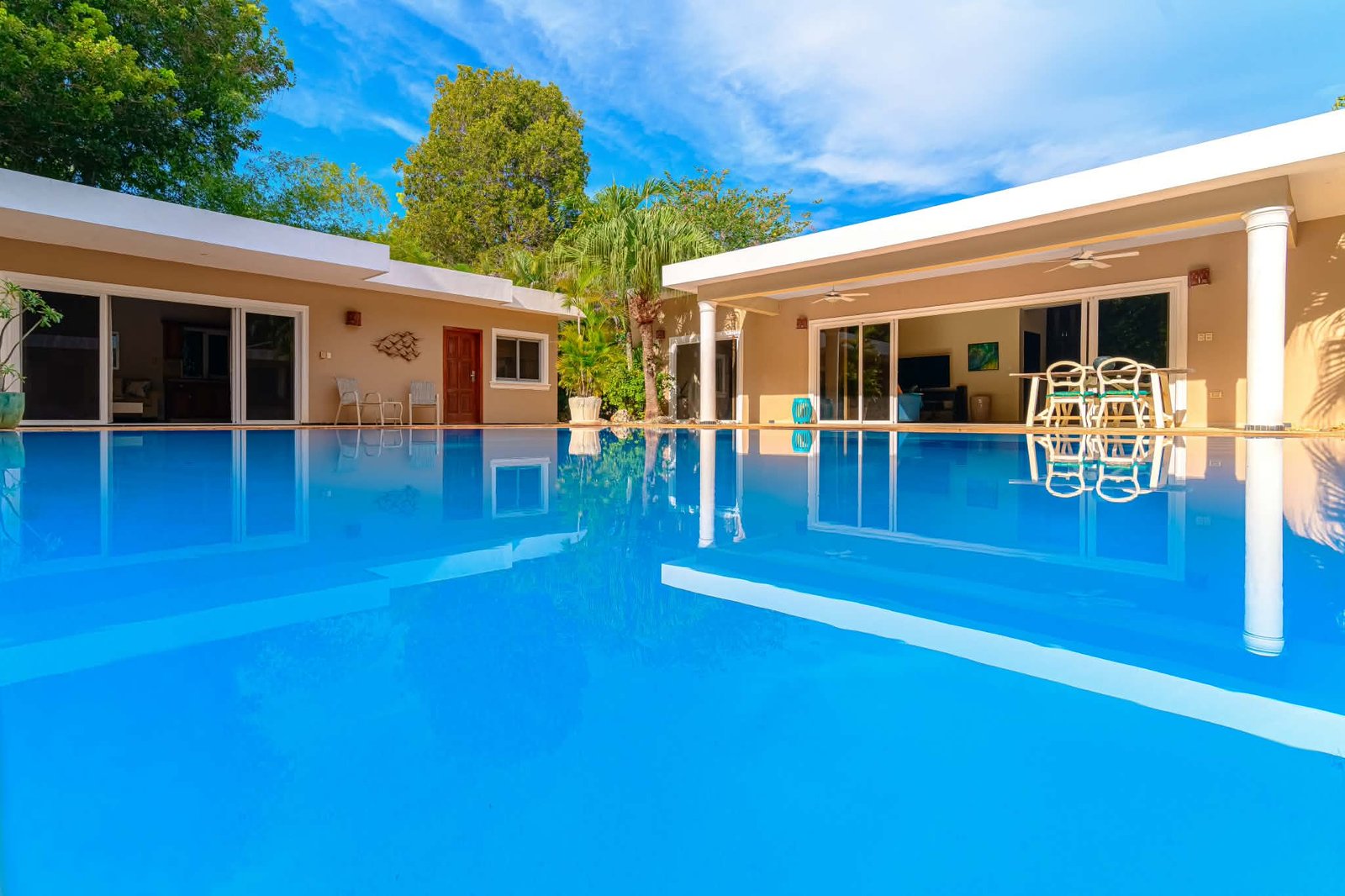
Depending on their budget and the location they’re considering, buyers may discover that they can afford a larger home, a private swimming pool, tropical gardens, and generous outdoor living spaces that would be considerably more expensive back home.
It’s easy to get caught up in those possibilities.
But after 13 years helping foreign buyers purchase properties in the Dominican Republic, and 14 years living here myself, I’ve come to appreciate something that isn’t always obvious when you’re first looking at homes.
The property that impresses you most during a viewing isn’t necessarily the property that will give you the best quality of life.
A home that looks wonderful in photographs or feels perfect during a two-week vacation may not be the ideal choice for everyday living.
And sometimes the things that matter most aren’t the number of bedrooms, the size of the house, or even the view.
They’re the practical details that determine how comfortable, enjoyable, and affordable your life will be once you’ve moved in.
I’ve learned many of these lessons through my work in real estate.
But some of the most valuable lessons have come from owning and living in my own home.
The Difference Between Buying an Investment and Buying a Home
When I originally purchased my six-bedroom villa in Casa Linda, I wasn’t planning to live in it permanently.
It was primarily an investment decision.
At the time, I recognized that larger rental villas could offer a significant financial advantage over smaller properties.
A six-bedroom villa had the potential to generate substantially more gross rental income, while many of the fixed operating expenses didn’t increase proportionately.
Occupancy rates for larger villas were also strong, making them particularly attractive as rental investments.
From that perspective, purchasing a six-bedroom home made good business sense.
There was another factor as well. Compared with property prices in Canada, the amount of house I could purchase in the Dominican Republic was very appealing.
But something happened that I hadn’t originally planned.
We ended up moving into the villa ourselves, even before construction was completely finished.
What had been selected primarily as an income-producing investment became our family home.
And over the years, living in that property taught me something I hadn’t fully appreciated when I first purchased it.
A home that makes excellent financial sense as a vacation rental doesn’t necessarily make the most sense as a permanent residence.
For rental purposes, having six bedrooms can be a considerable advantage. Larger families and groups travelling together may want that additional accommodation.
But when you’re living in the property year-round, those extra bedrooms and the additional indoor space don’t necessarily improve your everyday quality of life.
They still need to be cleaned, maintained, furnished, and cared for.
And in a tropical climate, where so much of daily life takes place outdoors, you may discover that you simply don’t need as much indoor space as you originally thought.
After living in the Dominican Republic for 14 years, my priorities have changed.
Today, I would prefer a smaller, more manageable home with generous covered outdoor living areas.
The lesson isn’t that large homes are a poor investment. It’s that you should be clear about whether you’re buying a property primarily to generate income or to improve your everyday lifestyle.
Those two objectives can lead to very different purchasing decisions.
Designing a Home for the Way You Actually Live
One of the biggest lessons I’ve learned from living in the Dominican Republic is that the way we use our homes is very different from the way we lived in Canada.
In Canada, much of our daily life took place indoors. For a significant part of the year, the weather simply wasn’t suitable for spending extended periods outside.
But in the Dominican Republic, the warm climate allows us to enjoy outdoor living throughout the year.
And that changes what I consider important in a home.
If I were designing my house again today, I would probably build something with just two bedrooms.
Instead of investing in thousands of square feet of indoor living space, I would concentrate on creating generous, comfortable covered outdoor areas that become an extension of the home.
I would have an indoor kitchen connected to the main living area, with the layout flowing naturally onto a large covered terrace.
That terrace would include a second kitchen designed specifically for outdoor cooking and dining.
The idea would be to create a seamless connection between the indoor and outdoor spaces, making it easy to prepare meals, entertain guests, and enjoy everyday family life without feeling separated from the outdoors.
But I would take the concept a step further.
I would also have a second covered terrace beside the swimming pool, designed as a more casual entertainment and relaxation area.
This space would include a wood-fired barbecue and cooking area, along with comfortable seating for lounging and socializing.
One of the things I enjoy about cooking outdoors is being able to interact with everyone around me.
I don’t want to be isolated in a kitchen while family and friends are enjoying the swimming pool.
I’d rather be cooking over a wood fire, enjoying the warmth and atmosphere, while talking with people relaxing nearby or spending time in the water.
For me, that’s what Caribbean living is really about.
It’s not necessarily having a bigger house or more luxurious finishes.
It’s creating spaces that encourage you to spend time outdoors, enjoy the climate, prepare meals together, and connect with the people around you.
A smaller home designed around those priorities could provide a better quality of life than a much larger house built around a traditional North American floor plan.
The most important question isn’t how much house you can afford. It’s how much of that house you’ll actually use—and whether its design supports the life you want to live.
The Reality of Owning an Oceanfront Home
For many people dreaming about living in the Caribbean, owning a home directly on the ocean represents the ultimate lifestyle.
I understand the attraction.
Waking up to the sound of the waves, looking out over the turquoise water, and having the beach just steps from your terrace can be a wonderful experience.
But there’s a difference between enjoying an oceanfront property for a vacation and maintaining one as your permanent residence.
Living directly beside the ocean comes with practical considerations that buyers don’t always fully appreciate.
One of the biggest is maintenance.
The salt carried in the ocean air can accelerate corrosion and deterioration of metal fixtures, appliances, air-conditioning equipment, outdoor furniture, and other components of a home.
Windows exposed to ocean spray may need frequent cleaning, and strong coastal winds can make outdoor spaces less comfortable at certain times.
Over the years, these factors can contribute to higher maintenance and replacement costs.
Privacy is another consideration.
Many foreign buyers imagine owning a beachfront villa where they can enjoy the ocean in complete seclusion.
But in the Dominican Republic, beaches are generally public. Owning a property along the beach doesn’t mean you own the beach itself or can prevent people from using it.
Depending on the location, you may have people walking along the beach directly in front of your property throughout the day.
For some homeowners, that’s part of the appeal of living in a lively coastal community.
For others, it can become frustrating, particularly if they expected a more private setting.
Although my real estate business has primarily focused on communities such as Casa Linda rather than oceanfront properties, I personally know people who have moved away from beachfront living.
Their reasons have included reducing the costs associated with maintaining an oceanfront home and finding a property that offers greater privacy.
That doesn’t mean oceanfront ownership is a poor choice.
For some people, having the ocean directly outside their door is worth the additional expense and trade-offs.
But I believe buyers should understand those trade-offs before making such a significant investment.
You may discover that a home a short distance from the beach provides many of the same lifestyle benefits, with greater privacy, lower maintenance demands, and considerably more flexibility.
Sometimes being close to the ocean offers a better balance than living directly on it.
Choosing the Right Community Is Just as Important as Choosing the Right Home
When people begin looking at properties in the Dominican Republic, they naturally focus on the house itself.
They consider the number of bedrooms, the swimming pool, the design, the finishes, and the asking price.
But after 13 years working in real estate here, I believe the community surrounding the property deserves just as much attention.
For me, one of the most important considerations is security.
I prefer a secure, gated residential community with controlled access and dependable security arrangements.
That provides a level of reassurance, particularly for foreign homeowners who may travel frequently or leave their properties unoccupied for extended periods.
Another important consideration is the community’s infrastructure, especially its backup power supply.
Power interruptions are a reality of life in the Dominican Republic, and having a reliable backup generator system can make a significant difference to your everyday comfort.
When the electricity goes out, a well-maintained backup system can help keep essential equipment operating and minimize the disruption.
I would encourage buyers to ask not only whether a development has backup power, but also how the system is maintained, what it supplies, and whether there are any additional operating costs.
There’s another consideration that I think is sometimes overlooked: the social environment.
Over the years, I’ve found that many buyers appreciate living in communities that offer places for residents to gather, socialize, and participate in activities.
A clubhouse, restaurant, community pool, or shared entertainment area can provide opportunities to meet neighbours and develop friendships.
This can be particularly valuable for people relocating from another country.
When you leave behind your familiar surroundings, friends, and social connections, establishing a new community becomes an important part of feeling at home.
A residential development that encourages interaction among its residents can make that transition easier.
Of course, not everyone wants the same lifestyle.
Some buyers prefer a private villa with very little interaction with neighbours, while others enjoy being part of an active community.
Neither approach is necessarily better.
The important thing is to understand what kind of environment will make you happy over the long term.
A house can be renovated or redesigned, but changing the community around it is considerably more difficult.
That’s why I encourage buyers to evaluate the development and its surroundings just as carefully as the property they’re considering purchasing.
The Ongoing Costs of Owning a Home
One thing I always encourage buyers to consider is the ongoing cost of owning and maintaining a property.
It’s easy to become focused on the purchase price, particularly when comparing Dominican Republic property prices with those in Canada or the United States.
You may discover that you can purchase a much larger home here than you could afford back in North America.
But just because you can afford to purchase a larger property doesn’t necessarily mean it’s the best financial decision.
In my own experience, one of the most significant expenses associated with owning our six-bedroom villa has been electricity.
Living in a tropical climate means that air conditioning can become a major part of your household energy consumption, particularly in a larger home.
The more indoor space you have to cool, the greater the potential electricity expense.
And although electricity costs will vary depending on the property, its efficiency, and how you use it, they can become a substantial ongoing expense.
There are also other costs to consider, including pool and garden maintenance, repairs, replacing equipment, insurance, and community fees where applicable.
These expenses don’t necessarily make a larger home a poor choice.
When a property is operated as a vacation rental, the additional bedrooms may generate enough revenue to justify the higher operating costs.
That’s one of the reasons I originally chose to purchase a six-bedroom villa as an investment.
But when the same property becomes your personal residence, the financial equation changes.
You’re no longer evaluating the home primarily by the rental income it can generate.
You’re evaluating what it costs to live there and whether the additional space contributes enough to your quality of life to justify those expenses.
Today, I would prefer a smaller, more efficient home with generous covered outdoor living areas.
That would allow me to enjoy the lifestyle I value while potentially reducing the amount of indoor space requiring air conditioning and maintenance.
For me, that’s an important part of financial freedom.
The goal isn’t necessarily to own the biggest home you can afford. It’s to own a home that gives you the lifestyle you want without creating unnecessary financial obligations.
Understanding the Buying and Construction Process
Another important lesson from my years in real estate is that buying property in the Dominican Republic requires an understanding of how the local process works.
This is especially important when purchasing a pre-construction home.
Before establishing Wildefire Properties, I worked at Casa Linda, where part of my responsibilities involved guiding buyers through the process after they had reserved a building lot.
I helped clients work with architects to develop their home designs, accompanied them through the legal and contractual process, and assisted them in selecting finishes and materials at the design centre.
That experience gave me a detailed understanding of the different stages involved in purchasing and building a home here.
It also showed me how important it is for foreign buyers to have knowledgeable, dependable professionals helping them navigate the process.
Purchasing property in another country isn’t something I would encourage anyone to approach casually.
Buyers should understand exactly what they’re purchasing, verify ownership and title documentation through an independent qualified attorney, review contractual obligations, and understand the costs and responsibilities associated with the transaction.
When purchasing pre-construction, it’s particularly important to understand the construction specifications, payment schedule, completion arrangements, and what is and isn’t included in the agreed price.
I also encourage buyers to consider how well the developer or community is established and how ongoing management and maintenance will be handled.
These are practical matters that may not be as exciting as choosing a swimming pool design or selecting kitchen finishes.
But they’re essential to making an informed decision.
Over the years, I’ve found that buyers are far more comfortable when they understand the process and know what to expect.
A successful property purchase isn’t simply about finding the right house. It’s also about making sure the purchasing process is handled properly from beginning to end.
Buy for the Life You Want to Live
After 14 years of living in the Dominican Republic, my idea of a dream home has changed considerably.
When I first purchased my six-bedroom villa, I was thinking primarily about its potential as a rental investment.
Today, when I imagine my ideal home, I think about something quite different.
I picture a smaller house with two bedrooms, an indoor kitchen, and generous covered outdoor spaces.
I imagine cooking outside, spending time with family and friends, relaxing beside the swimming pool, and enjoying the warm Caribbean climate without the burden of maintaining more house than we actually need.
I also think about living in a secure community with dependable infrastructure and opportunities to socialize.
And I think about having more financial flexibility because my home doesn’t require unnecessary spending on space and features that contribute little to my everyday life.
None of this means that a large villa, an oceanfront home, or an elaborate luxury property is the wrong choice for someone else.
Everyone has different priorities, financial circumstances, and expectations.
For some people, a large home is exactly what they need. For others, rental-income potential may be the primary consideration.
But if you’re purchasing a home because you want to enjoy a different lifestyle in the Dominican Republic, I would encourage you to think carefully about how you’ll actually live once you’re here.
Don’t make your decision based solely on what looks impressive during a property viewing.
Think about your everyday routine, your comfort, your ongoing expenses, and the experiences you want your new home to make possible.
After 14 years of living in the Dominican Republic, I’ve learned that a dream home isn’t necessarily the largest, most expensive, or closest to the ocean.
It’s the home that allows you to enjoy the lifestyle you came here to experience.
Because ultimately, the goal isn’t simply to own a beautiful property.
It’s to have a life worth living.